
- Note BGG
- 6,0
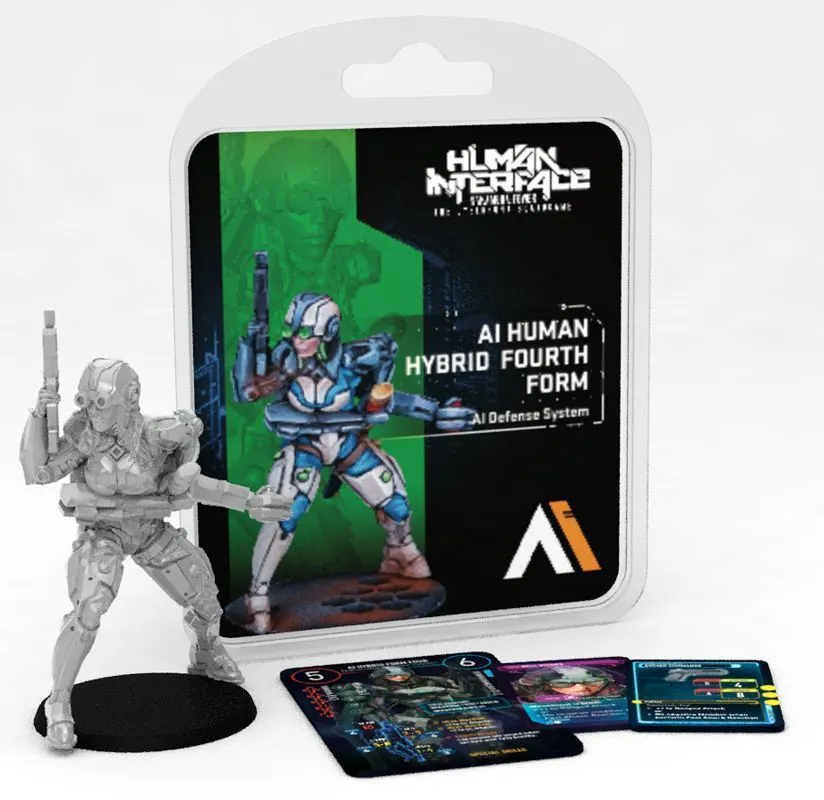
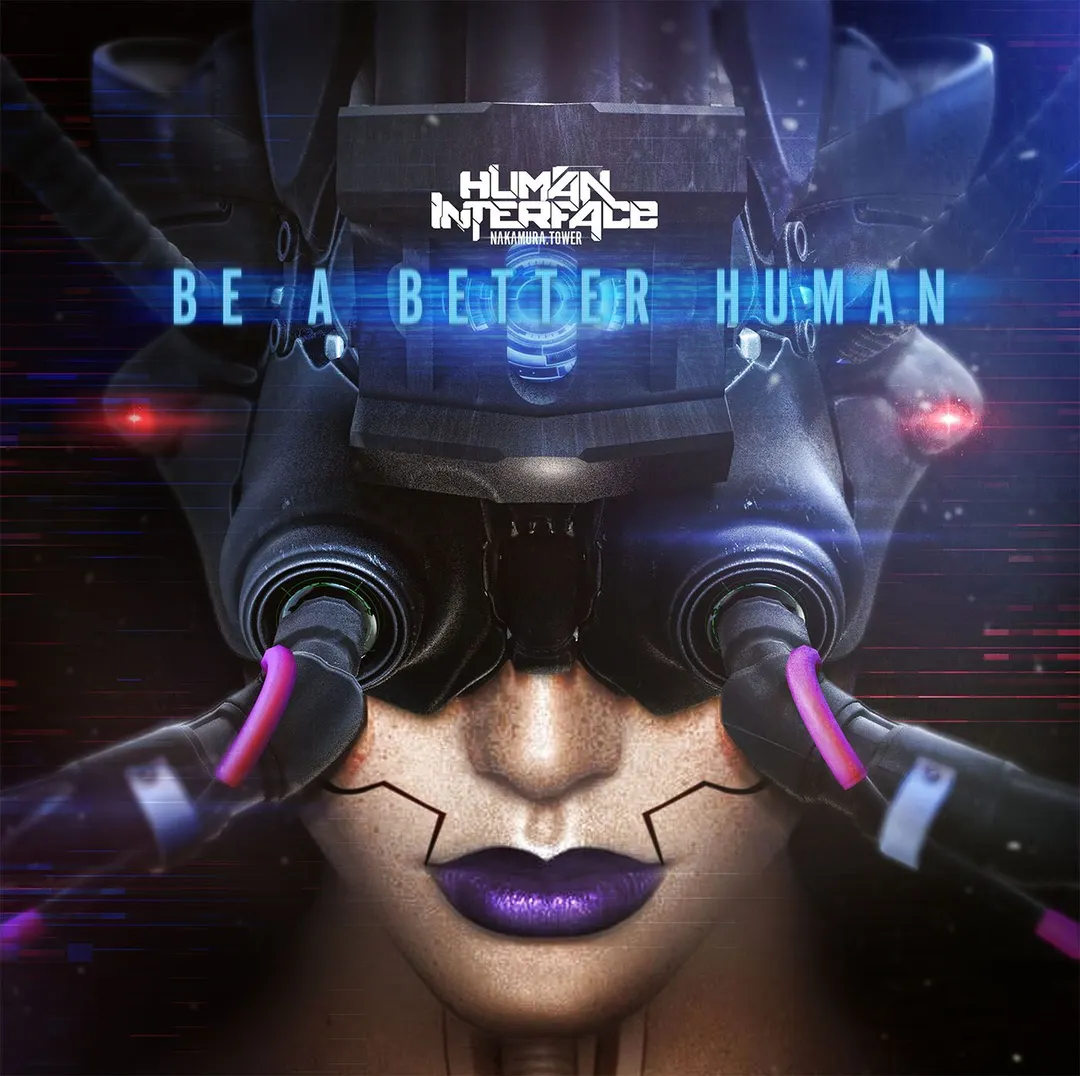
Human Interface: Nakamura Tower – AI Human Hybrid Form 04
- 1–6 joueurs
- 60–180 min
- 2016
2016
Aide aux règles de Human Interface: Nakamura Tower
Des explications claires des tours, effets de cartes et situations litigieuses, avec des références aux sources officielles et un historique des questions sauvegardé.
Pour 2 joueurs
Que voulez-vous savoir ?
Les réponses viennent du livret officiel, avec la page à vérifier.
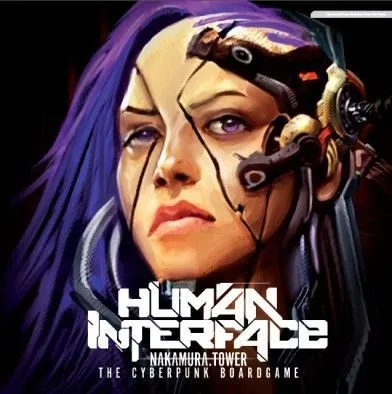
Human Interface: Nakamura Tower est un jeu de société sorti en 2016 pour 2 à 6 joueurs, avec des parties de 60 à 180 minutes et à partir de 12 ans. Il a été conçu par Rafał Bagiński et ses principales mécaniques sont Hand Management, Area Movement et Point to Point Movement.
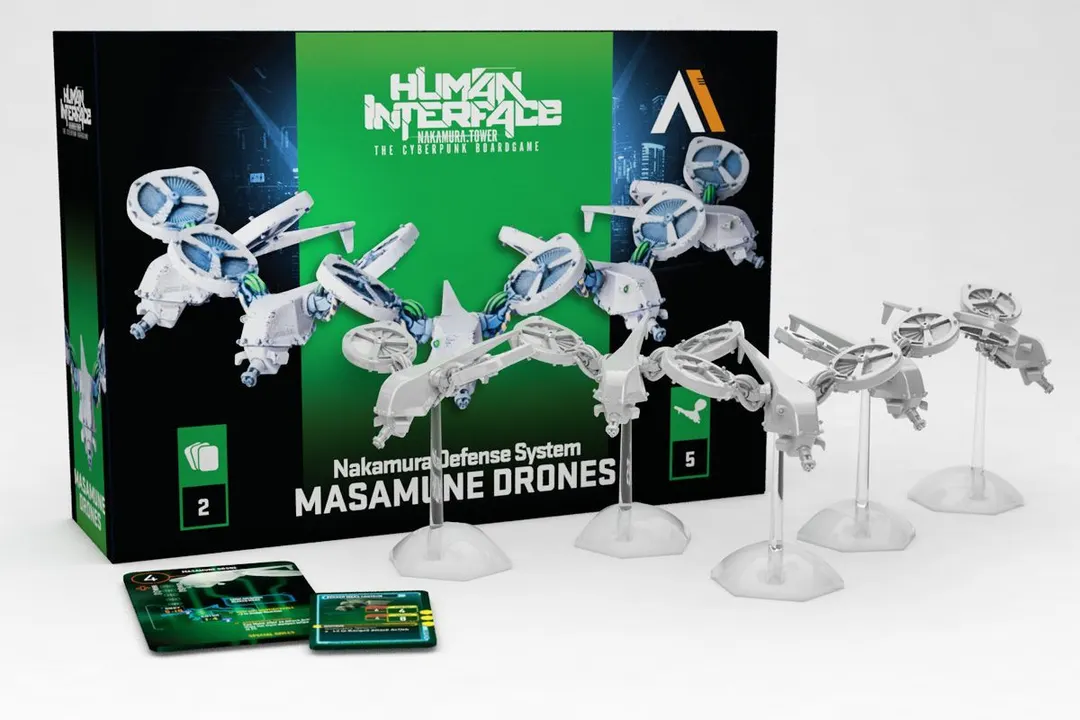
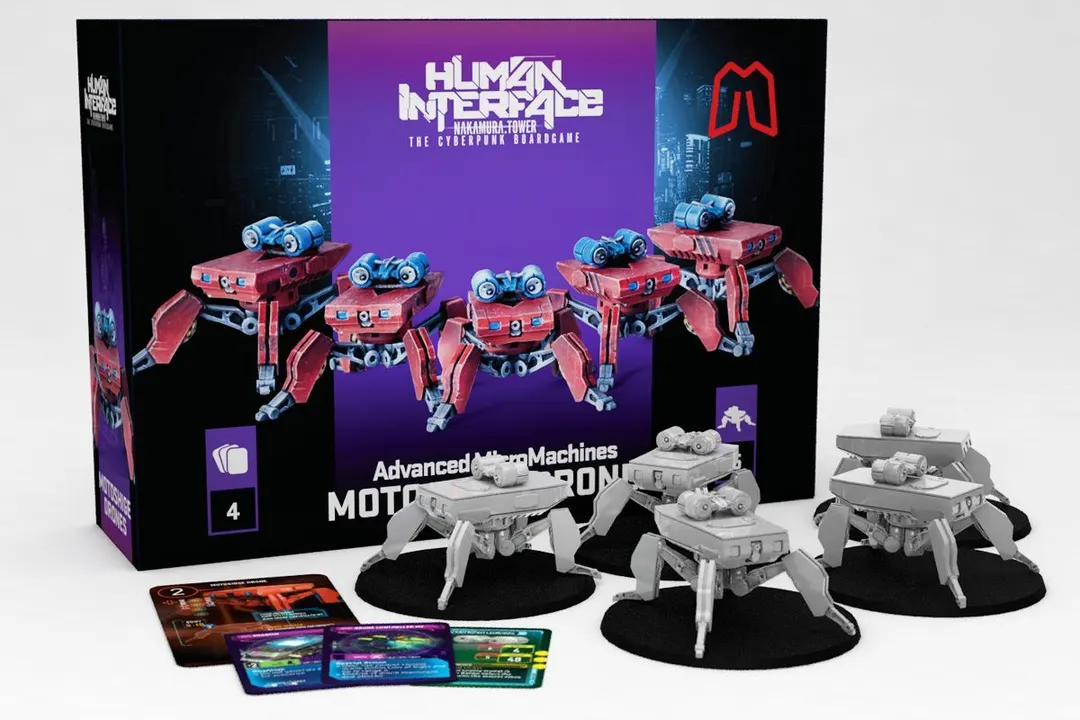
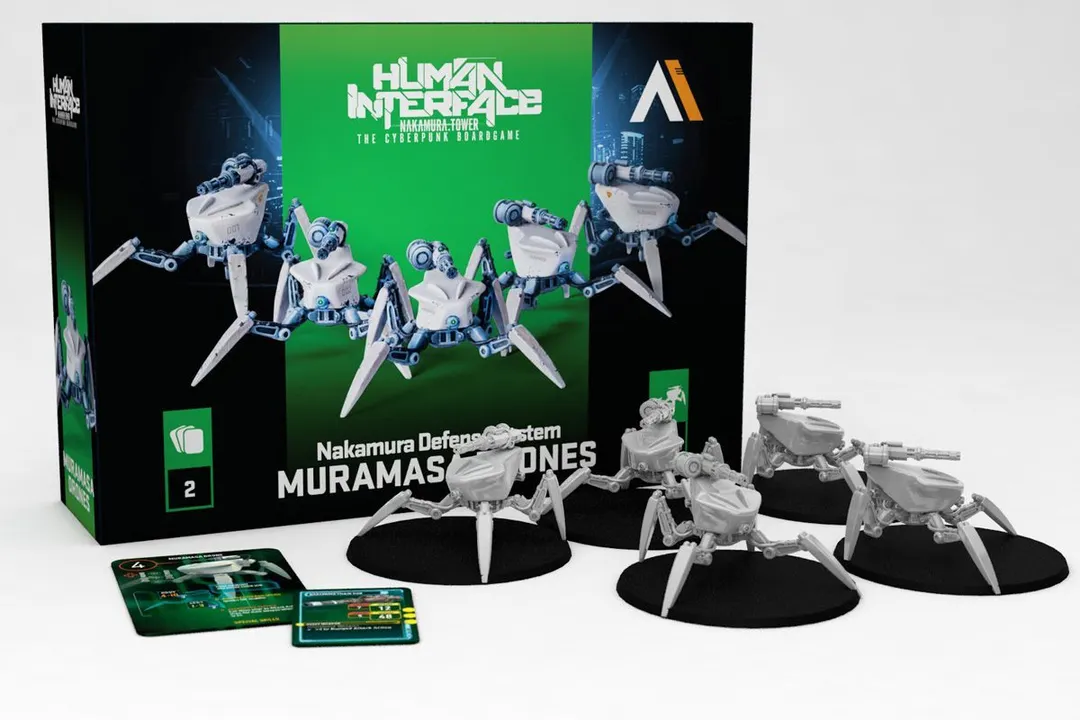

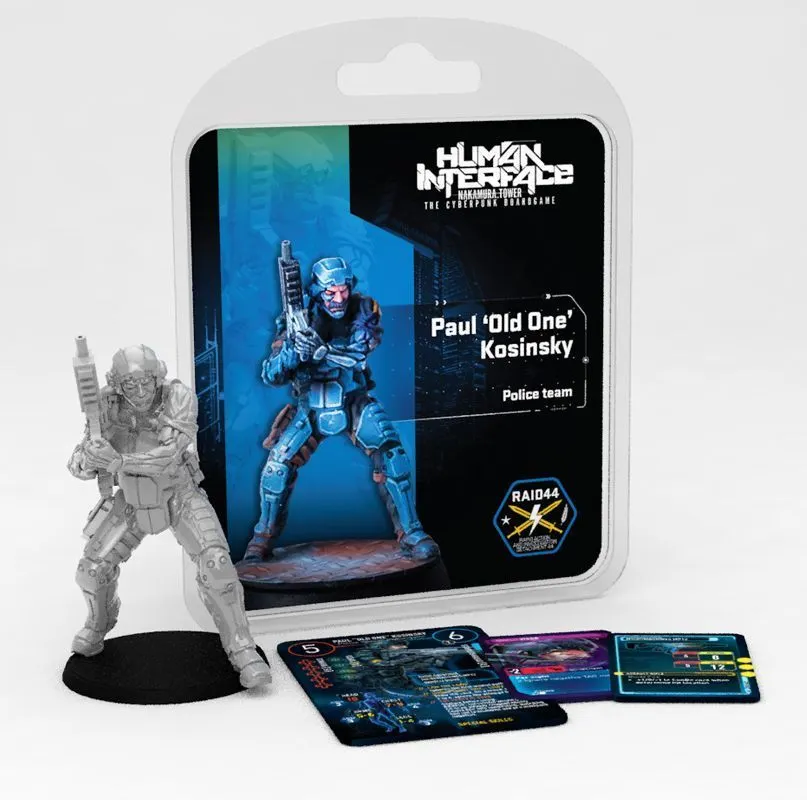




En anglais
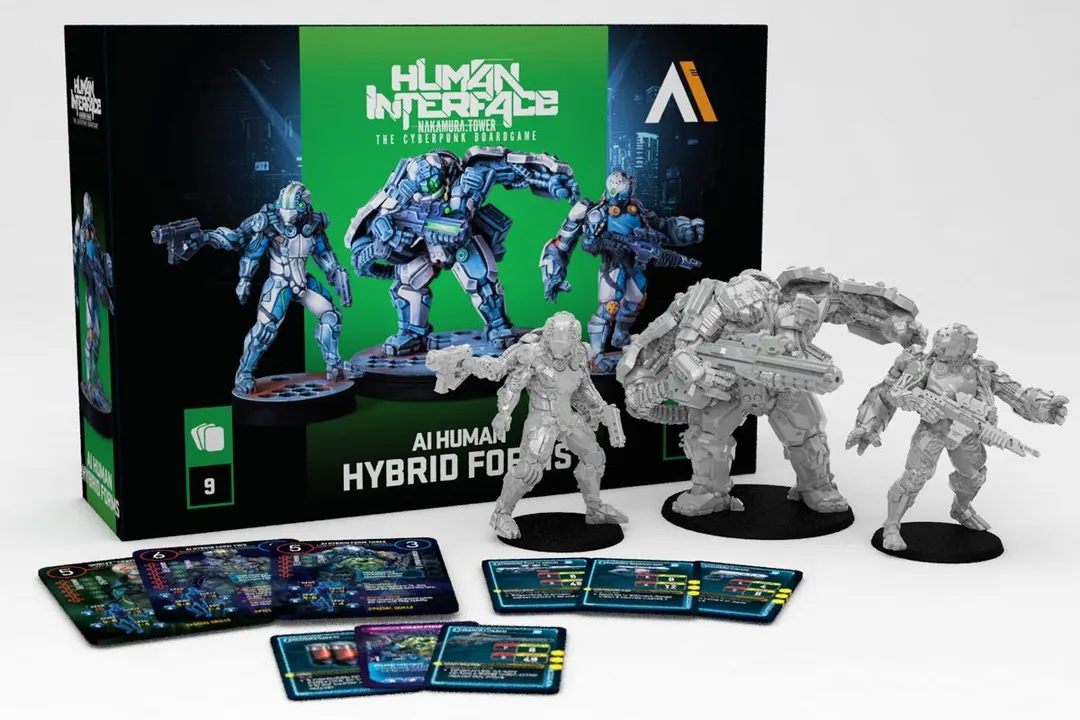
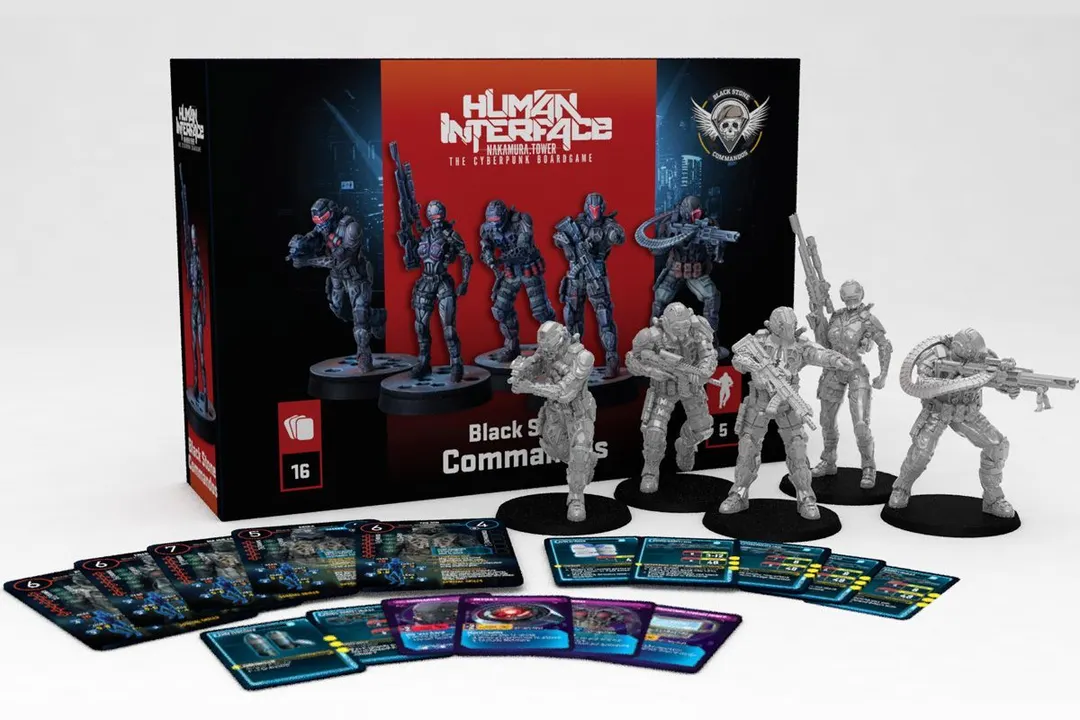
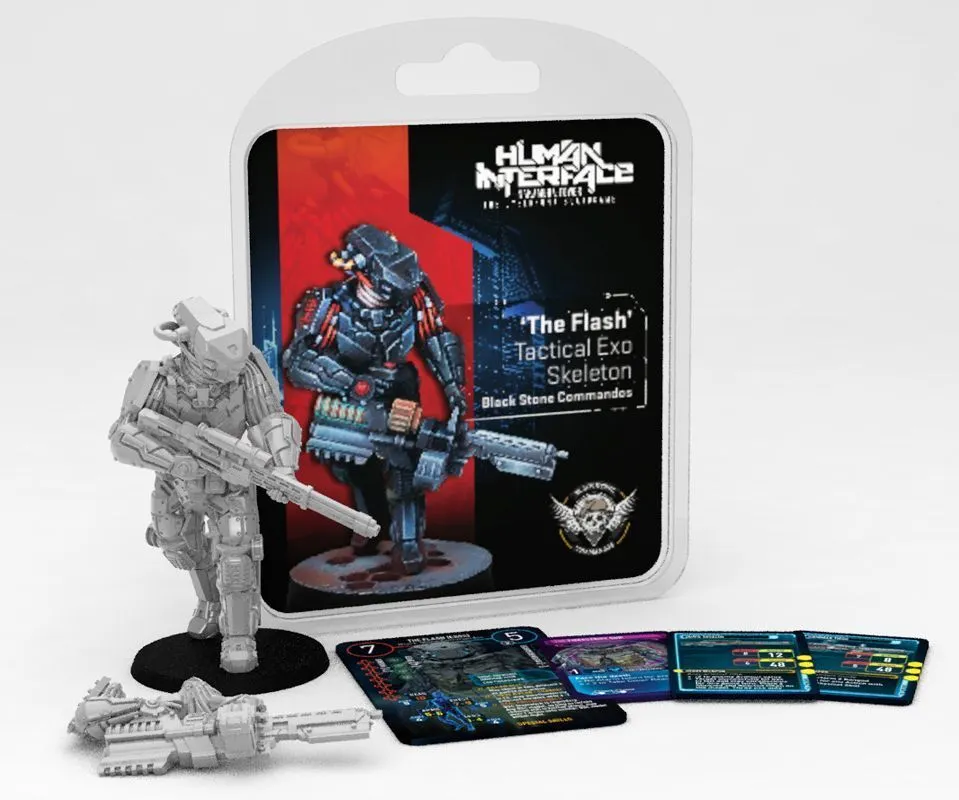
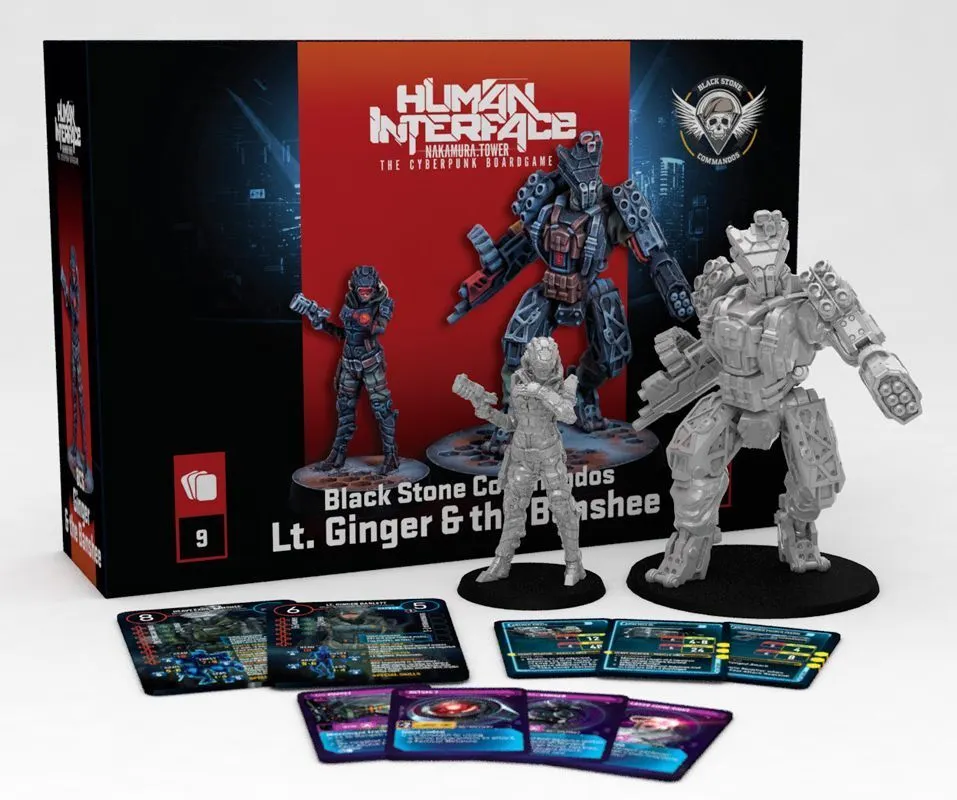
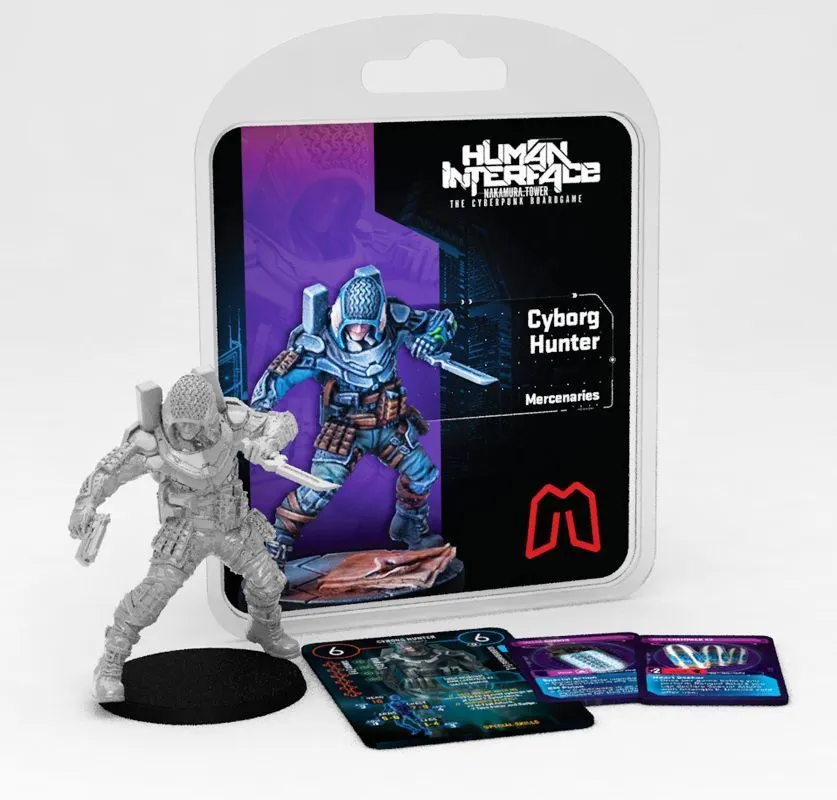
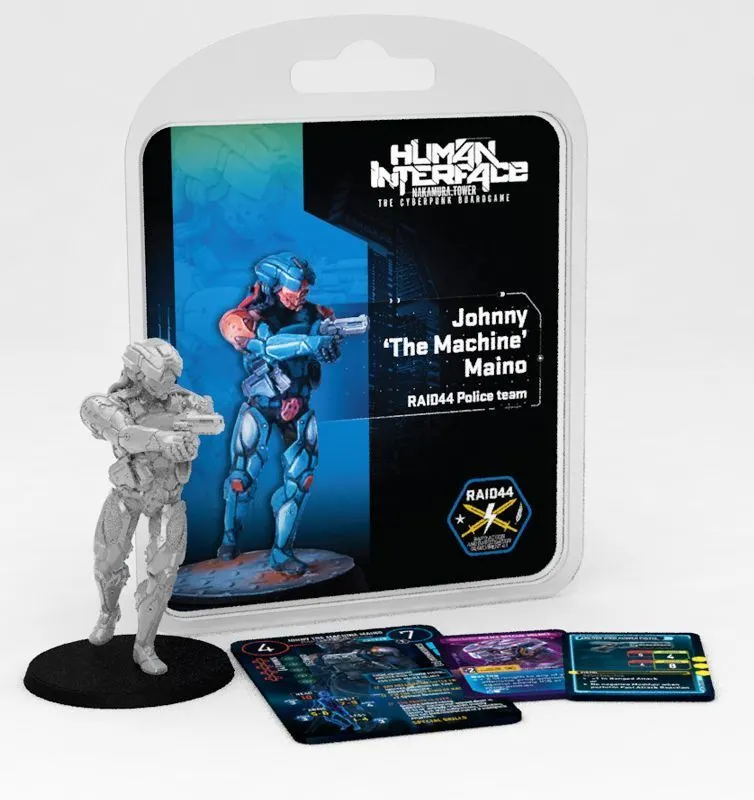
Human Interface: Nakamura Tower (HINT) is a board game that is a unique combination of many elements known from tactical and skirmish games, RPGs and board games. The game is based on a struggle between two powerful megacorporations that takes place in the title tower. HINT is designed for 2+ people but through different scenarios can be played alone, in cooperation or against other players. The story happens in the near future when the world is dominated by new technologies. In HINT you will lead a team of selected professionals of a given faction. Each of them has unique skills and abilities, each one can be given weapons and other equipment, be enhanced genetically or cybernetically. All characteristics and modifiers are presented on special character and equipment cards (you don’t need to constantly flick through the rulebook). Each character card has a limited amount of slots that can be filled with equipment and modifications. The player can purchase additional equipment to replace the current item depending on the “group’s assets”. You may like your heroes or hate them but they will no longer be just anonymous pawns. The game is played on a board showing the interior of the Nakamura corporate tower that is under attack by its rivals. The characters are moved using spaces on the board. This eliminates the need to measure distance when moving and fighting thus quickening the pace of the game and allowing to avoid misunderstandings. Each space presents a specific tactical situation that influences the characters placed on it. Game mechanics are fairly easy as we wanted to achieve a perfect balance between a fun game and rules that enable a lot of tactical possibilities. The basic rules are easy to learn but the possibilities of their use grow significantly in combination with the characters’ skills and capabilities of equipment. The characters are defined by their basic physical and mental abilities and modifiers, which make it easier or more difficult to perform some tasks, that make them unique. These modifiers result from their skills, special training or cyberations and other equipment. The rules do not use any dice and the testing mechanics are based on cards that we call CanDo. The description on the card, its value and colour influence the final result of the test. The numerical value also states the location of a hit and additional effects connected to it.
Selon le catalogue, Human Interface: Nakamura Tower se joue de 2 à 6 personnes. Cette fourchette correspond au nombre de joueurs indiqué par l’éditeur : le jeu s’installe donc pour toute taille de groupe dans cette limite. La mise en place, certaines règles et le décompte peuvent varier selon l’effectif ; vérifiez la configuration exacte dans la règle de votre édition.
La durée indiquée pour Human Interface: Nakamura Tower est de 60 à 180 minutes, selon l’estimation de l’éditeur pour une partie complète. La durée réelle dépend du groupe, de l’effectif et de la connaissance des règles : les premières parties sont plus longues, les groupes expérimentés terminent plus vite. Mise en place et explication des règles ne sont pas comprises.
Le catalogue indique Human Interface: Nakamura Tower à partir de 12 ans. C’est la recommandation de l’éditeur ; elle tient compte de la lecture nécessaire, de la complexité des règles et des petits composants, pas seulement du thème. Les plus jeunes peuvent souvent participer avec l’aide d’un adulte : vérifiez l’âge indiqué sur votre édition et tenez compte de l’expérience de votre groupe.
Human Interface: Nakamura Tower obtient une note de complexité de 3,7 sur 5 auprès des joueurs de BoardGameGeek, ce qui en fait un jeu de complexité moyenne. Cette note reflète la quantité de règles, de planification et de décisions qu’exige une partie typique. Prévoyez une explication plus longue pour les jeux exigeants et utilisez un guide de préparation avant la soirée.
Human Interface: Nakamura Tower appartient à ces catégories : Wargame et Science Fiction. Ses principales mécaniques sont Hand Management, Area Movement et Point to Point Movement. Les catégories décrivent le thème et l’univers d’un jeu, tandis que les mécaniques décrivent ce que les joueurs font réellement pendant leur tour. Chaque mécanique mène à une page du catalogue avec des jeux similaires.
Les auteurs crédités pour Human Interface: Nakamura Tower sont : Rafał Bagiński. Ces crédits proviennent des données publiées du jeu et désignent les personnes responsables de sa conception, et non les illustrateurs ou les éditeurs. Les pages d’auteurs sur MeepleRules regroupent les autres titres des mêmes auteurs, ce qui est utile lorsqu’un jeu vous plaît et que vous en cherchez de similaires.
Le catalogue présente Human Interface: Nakamura Tower comme un jeu de base. Il se joue seul avec le matériel contenu dans la boîte et ne nécessite aucun autre titre. Les extensions, s’il en existe, y ajoutent du contenu ou des règles et sont répertoriées séparément dans le catalogue, avec un lien vers ce jeu de base.