

- BGG rank
- BGG #7,051
- BGG rating
- 8.3
Napoleon's Last Gamble: Battles of the Hundred Days
- 2–6 players
- 180–1200 min
- Complexity 2.8/5
- 2016
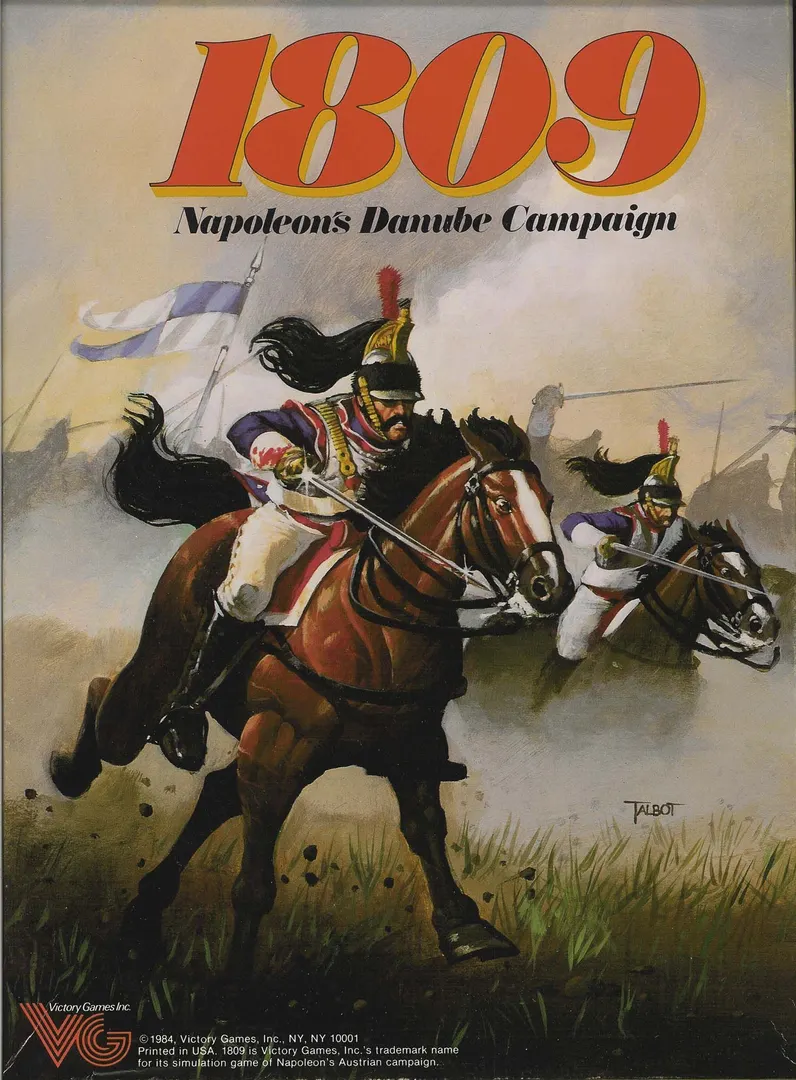
1984
Rules assistance for 1809: Napoleon's Danube Campaign
Plain-language explanations of turns, card effects and disputed situations, with official source references and saved question history.
For 2 players
What would you like to know?
Answers come from the official rulebook, with the page to check.
1809: Napoleon's Danube Campaign is a board game released in 1984 for 2 players, 240–1200 minutes per game, and ages 12 and up. It was designed by Kevin Zucker and its main mechanics are Dice Rolling, Hexagon Grid, and Simulation.
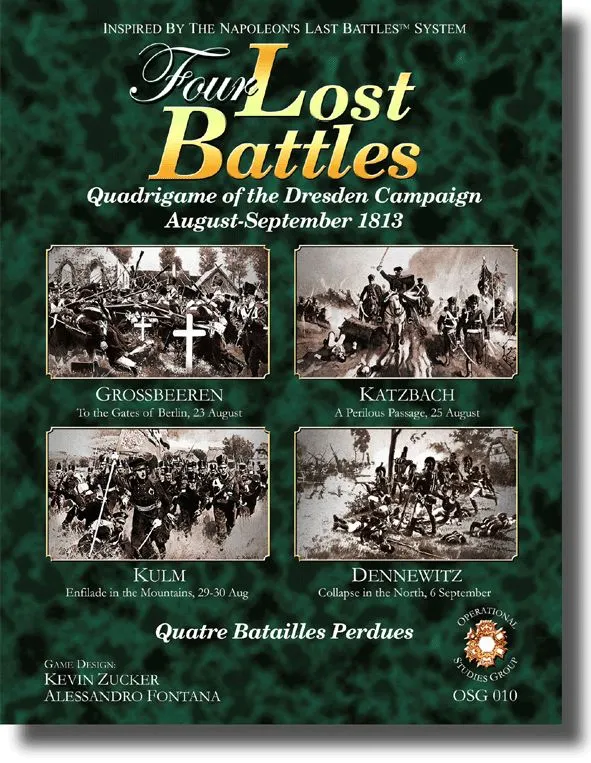
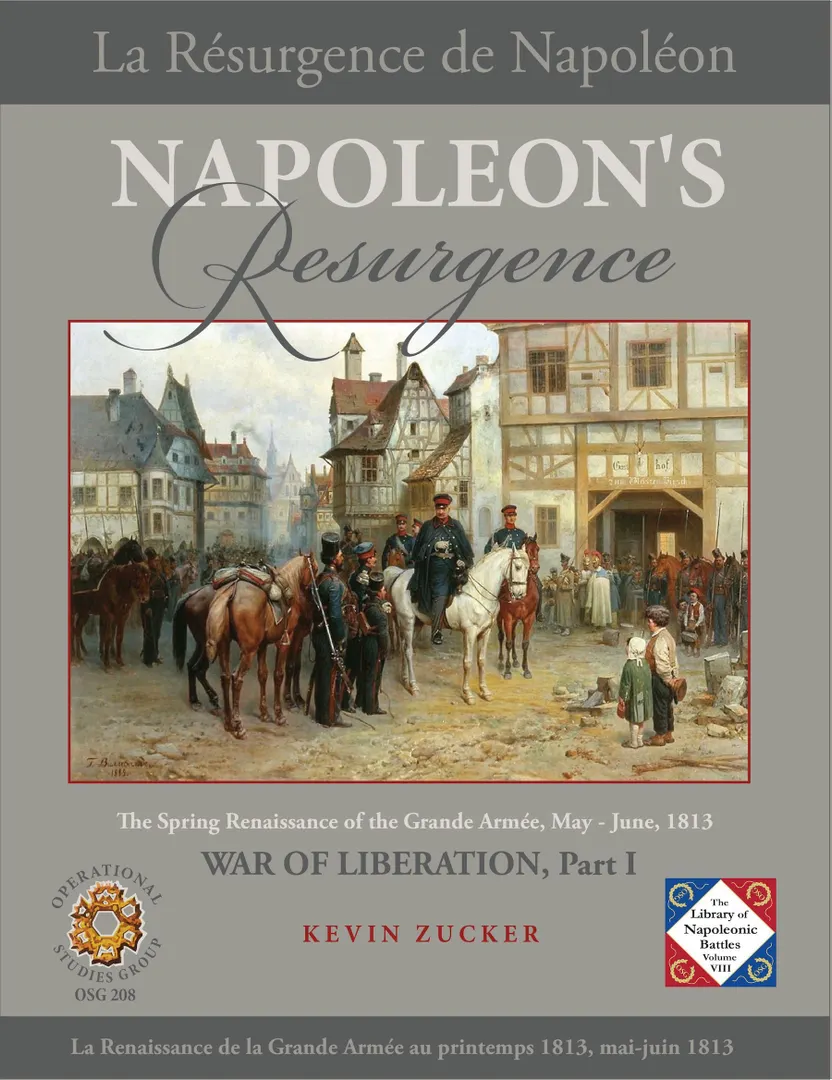
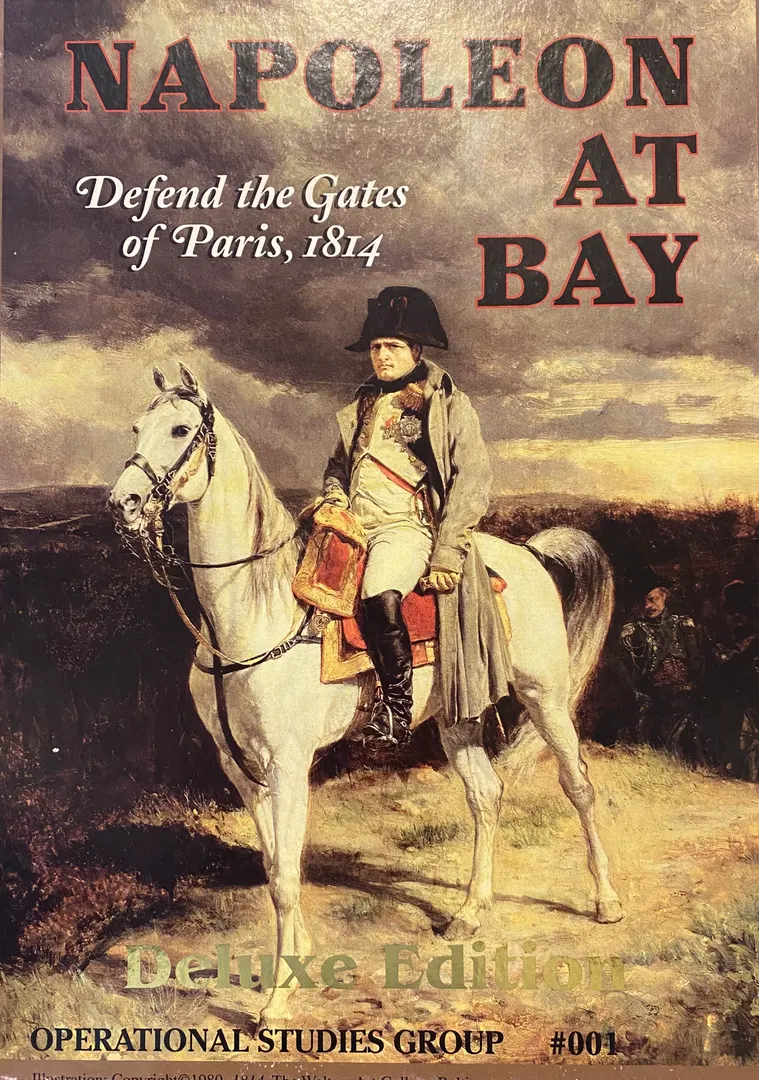
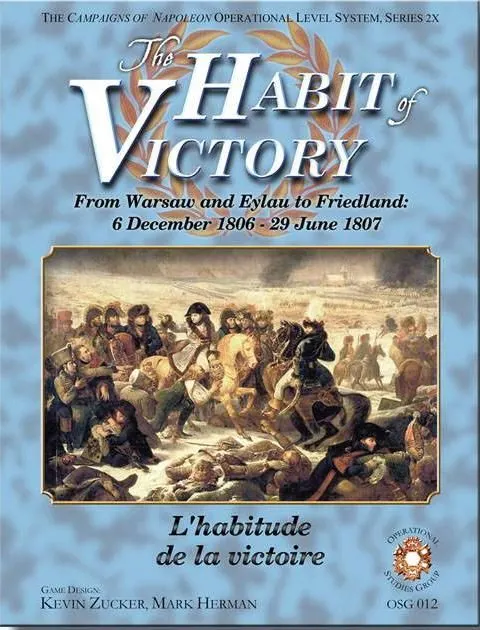
The Campaign: Three grueling months of bitter conflict, thrusting Napoleon's "little conscripts" against a re-vitalized Austrian army determined to avenge its humiliating defeats of the past. An embattled advance along more than 200 miles of the Danube Valley in a contest of maneuver, thrust, and counterthrust immortalized on such battlefields as Abensberg, Ratisbon, Ebelsberg, Aspern-Essling, and Wagram. The System Design: A proven classic representation of Napoleonic warfare, demanding a delicate balance among command and communication, daring and discretion. A dynamic exercise in the application of limited administrative resources to maneuver, and a tense contest of skill, finesse, and hammer blows. The Presentation: Sophistication without needless complexity. An innovative rules format, complementing the exceptional graphics, quickly orients players to the game's essential and subtle relationships. The Game: The ultimate experience in Napoleonic gaming — quickly grasped, a lifetime to master, an endless challenge. • Four Complete-Scenario ranging from the brief Aspern-Essling and Wagram battle scenarios to the lengthy Historical and Alternate campaigns. • Historic Leaders... including every major commander who participated in the campaign, each individually rated for essential command characteristics. • Optional Rules... to permit hidden movement of force, simulate the loss and regaining of combat effectiveness, and introduce the effects of fatigue. CONTENTS: 260 1/2-inch Counters 2 22"x32" Mapsheets 1 22"x 16" Mapsheet 1 Rules Booklet 2 Organization Displays 1 Six-sided Die 1 Counter Storage Tray TIME SCALE: Two days per turn. MAP SCALE: Two miles per hex. UNIT SCALE: Division/brigade. PLAYERS: Two. PLAYING TIME: From 3 hours for a short scenario, to 20 or more hours for an entire campaign. (from the back of the box) Wagram Campaign, using the same system as other Napoleonic games by Zucker (Napoleon at Bay, Bonaparte in Italy, Sun of Austerlitz, etc) that emphasizes command, logistics, and lines of communication. GAME SYSTEM: CAMPAIGNS System - Series 1X = 3,200m/hex, 1,000 men/SP, 2 days/turn. 1809: NAPOLEON'S DANUBE CAMPAIGN is a two player, Division level simulation of Napoleon's 1809 Danube Campaign against a revitalized Austrian army determined to avenge its humiliating defeats of the past. It covers three months of bitter conflict requiring an advance over more than 200 miles of the Danube Valley in a campaign of maneuver, thrust and counterthrust immortalized on such battlefields as Abensberg, Ratisbon, Ebelsberg, Aspern-Essling, and Wagram. The game uses an interactive Igo/Hugo sequence with an emphasis on leadership. It is a dynamic exercise in the application of limited administrative resources to maneuver, and a contest of skill, finesse, and hammer blows. Each Game Turn represents two days of real time. Each map hex equals two miles from side to side. Optional rules permit hidden movement, simulate the loss and regaining of combat effectiveness, and model the effects of fatigue. Four complete scenarios are included -- ranging from the brief Aspern-Essling and Wagram battle scenarios to the lengthy Historical and Alternate campaigns. (BGG user's description)
1809: Napoleon's Danube Campaign supports 2 players according to the catalogue. This is the publisher’s listed player count, so the game is designed for exactly that number of participants. Variants for other group sizes, if any, are described in the rulebook of your edition, so check it before setting up a different configuration.
The listed playing time for 1809: Napoleon's Danube Campaign is 240–1200 minutes. This is the publisher’s estimate for a full game. The actual duration depends on the group, the player count and familiarity with the rules: first sessions usually run longer, while experienced groups often finish faster. Setup and teaching time are not included in this estimate.
The catalogue lists 1809: Napoleon's Danube Campaign for ages 12 and up. This is the publisher’s recommendation and reflects reading demands, rule complexity and small components rather than theme alone. Younger players can often join with help from an adult, so check the age guidance on your edition and consider your group’s experience with board games.
1809: Napoleon's Danube Campaign has a complexity rating of 3.4 out of 5 from BoardGameGeek players, which makes it a medium-weight game. The rating reflects how much rules knowledge, planning and decision-making a typical game demands. Expect a longer first teach for heavier games, and use a preparation guide before game night.
1809: Napoleon's Danube Campaign belongs to these categories: Wargame and Napoleonic. Its main mechanics are Dice Rolling, Hexagon Grid, and Simulation. Categories describe the theme and setting of a game, while mechanics describe what players actually do on their turns. Each mechanic links to a catalogue hub with similar games, which helps when you want something comparable.
The credited designers of 1809: Napoleon's Danube Campaign are: Kevin Zucker. These credits come from the published game data and name the people responsible for the game’s design, not its illustrators or publishers. Designer pages on MeepleRules collect other titles by the same designers, which helps when you enjoy a game and want to find similar ones.
The catalogue lists 1809: Napoleon's Danube Campaign as a base game. It can be played on its own with the components in the box and does not require any other title. Expansions, if any exist, add new content or rules on top of it and are listed separately in the catalogue with a link back to this base game.