
- BGG rank
- BGG #10,933
- BGG rating
- 7.3
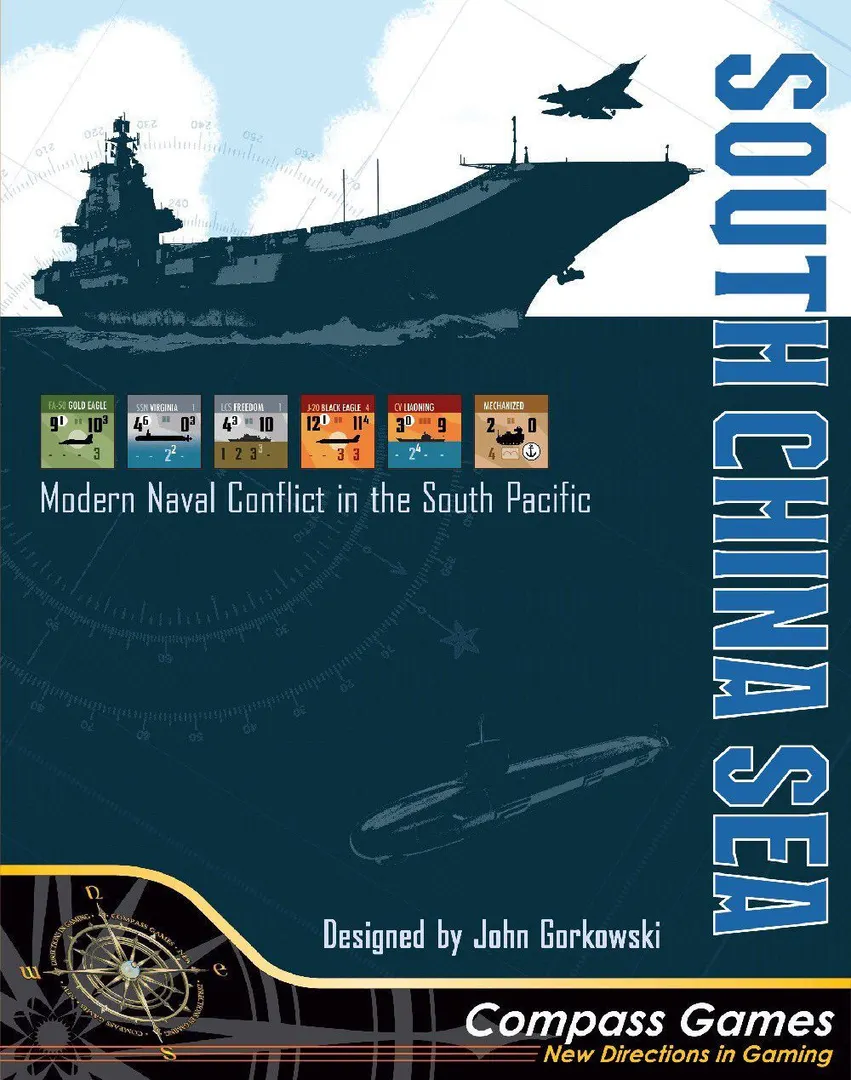
South China Sea: Modern Naval Conflict in the South Pacific
- 2–3 players
- 120–240 min
- Complexity 2.9/5
- 2017
2015
Rules assistance for Balance of Powers
Plain-language explanations of turns, card effects and disputed situations, with official source references and saved question history.
For 2 players
What would you like to know?
Answers come from the official rulebook, with the page to check.
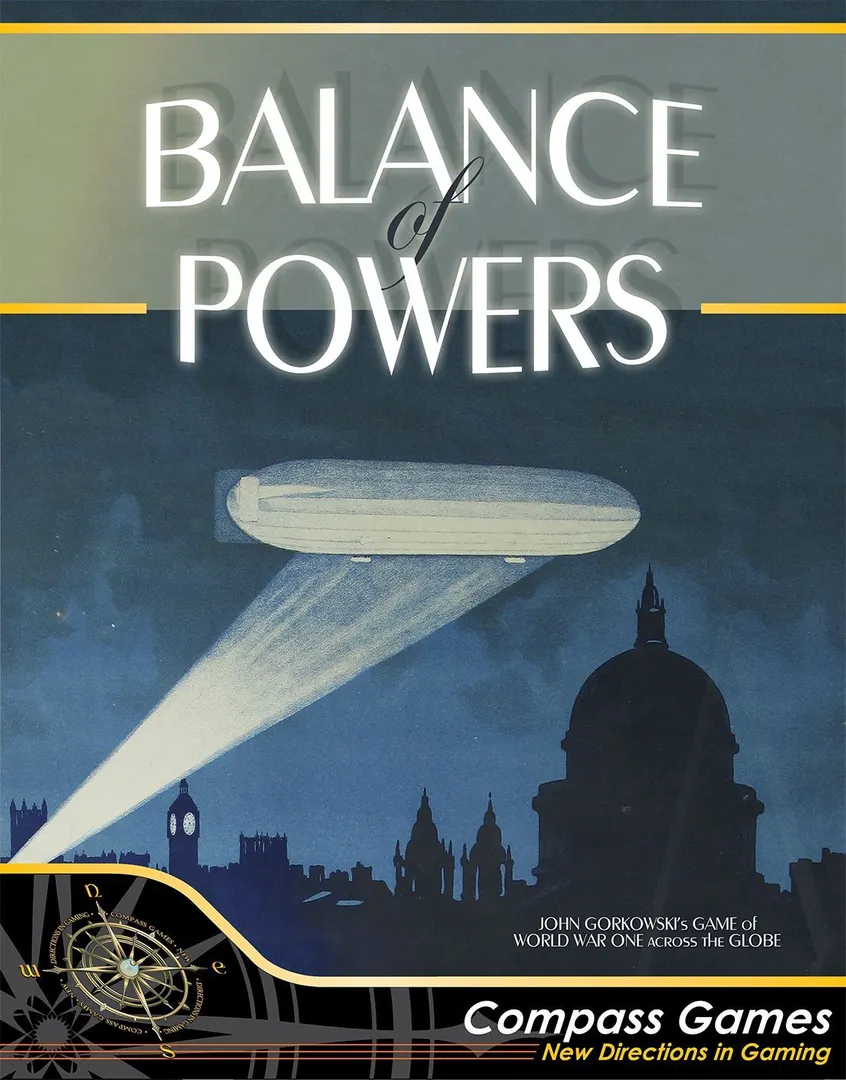
Balance of Powers is a board game released in 2015 for 2–7 players and 120–1440 minutes per game. It was designed by John Gorkowski and its main mechanics are Dice Rolling, Hexagon Grid, and Simulation.






They shall grow not old, as we that are left grow old: Age shall not weary them, nor the years condemn. At the going down of the sun and in the morning We will remember them. -For the Fallen, by Robert Laurence Binyon Balance of Powers pays fitting tribute to the fallen with a respectful presentation of their bitter struggles in the air, on land, and at sea. The game offers players a corps-level recreation of the entire First World War from the Somme through Dar-es-Salaam and on to Tsingtao. A roll-to-hit system enables air and (optional) naval combat to scale from the small dogfights of the Fokker Scourge to the mighty clash of dreadnoughts at Jutland. On land, corps entrench by flipping which opens up an in-hex dimension for every trench battle to simulate the tactical ebb and flow that animated the front even during strategic "stalemate". Since victory hinges on territorial control, the opposing sides feed men into the mill hoping to win a war of attrition before accumulated demoralization triggers a domestic political crisis to upset their balance. The prospect of a "breakthrough" to the green fields beyond motivates ceaseless attacks, but it's ephemeral until tanks and planes arrive in numbers. The presence of specific admirals and generals, including the U-boat ace Lothar von Arnauld de la Periere, makes the game personal. A haggle-based diplomacy system enables history buffs to recreate the land-swap politics of the period, or players can opt for a simpler, streamlined schedule of neutral entry with a dash of randomness added for surprise. Production is as simple as 1-2-3 to avoid excessive math while enabling players to comprehend the "cost" of their losses. In the end, victory goes to the side that beats its historical record. Link to VASSAL http://www.vassalengine.org/wiki/Module:Balance_of_Powers Link to Zun Tzu module> http://www.mediafire.com/download/hrl36m0iko6by9c/Balance+of+Powers.ztb
Balance of Powers supports 2–7 players according to the catalogue. This range comes from the publisher’s listed player count, so the game can be set up for any group size within it. Some setups, rules and scoring details may still vary by player count, so check your edition’s rulebook for the exact configuration.
The listed playing time for Balance of Powers is 120–1440 minutes. This is the publisher’s estimate for a full game. The actual duration depends on the group, the player count and familiarity with the rules: first sessions usually run longer, while experienced groups often finish faster. Setup and teaching time are not included in this estimate.
Balance of Powers has a complexity rating of 3.4 out of 5 from BoardGameGeek players, which makes it a medium-weight game. The rating reflects how much rules knowledge, planning and decision-making a typical game demands. Expect a longer first teach for heavier games, and use a preparation guide before game night.
Balance of Powers belongs to these categories: Wargame and World War I. Its main mechanics are Dice Rolling, Hexagon Grid, and Simulation. Categories describe the theme and setting of a game, while mechanics describe what players actually do on their turns. Each mechanic links to a catalogue hub with similar games, which helps when you want something comparable.
The credited designers of Balance of Powers are: John Gorkowski. These credits come from the published game data and name the people responsible for the game’s design, not its illustrators or publishers. Designer pages on MeepleRules collect other titles by the same designers, which helps when you enjoy a game and want to find similar ones.
The catalogue lists Balance of Powers as a base game. It can be played on its own with the components in the box and does not require any other title. Expansions, if any exist, add new content or rules on top of it and are listed separately in the catalogue with a link back to this base game.