
- BGG rank
- BGG #18,635
- BGG rating
- 6.5
Smithereens: The End of World War II in Europe
- 1–3 players
- 360 min
- Complexity 2.3/5
- 1993
2005
Rules assistance for Dagger Thrusts: Patton & Montgomery, September 1944
Plain-language explanations of turns, card effects and disputed situations, with official source references and saved question history.
What would you like to know?
Answers come from the official rulebook, with the page to check.
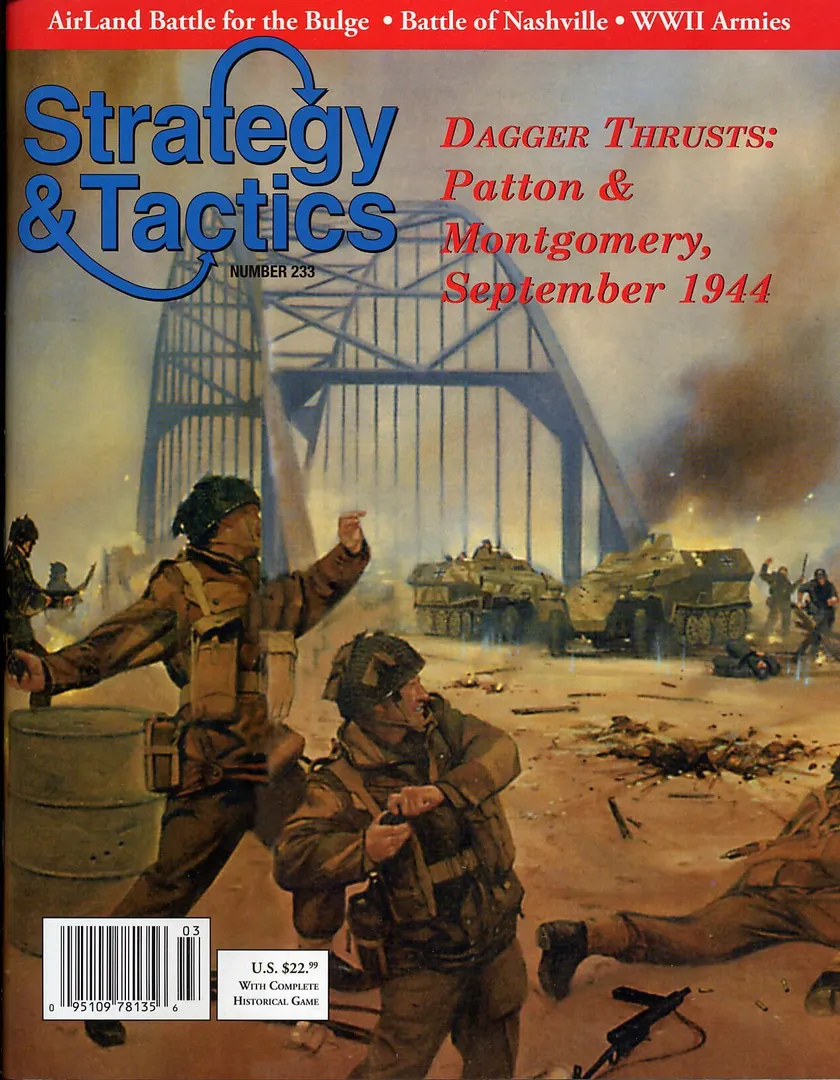
Dagger Thrusts: Patton & Montgomery, September 1944 is a board game released in 2005 for 1–2 players, 180 minutes per game, and ages 12 and up. It was designed by Ty Bomba and its main mechanics are Secret Unit Deployment, Hexagon Grid, and Simulation.

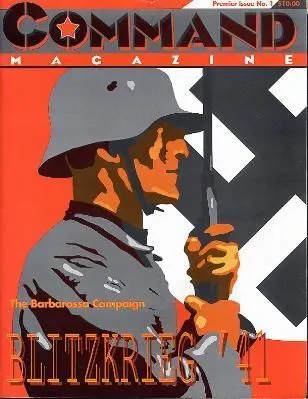

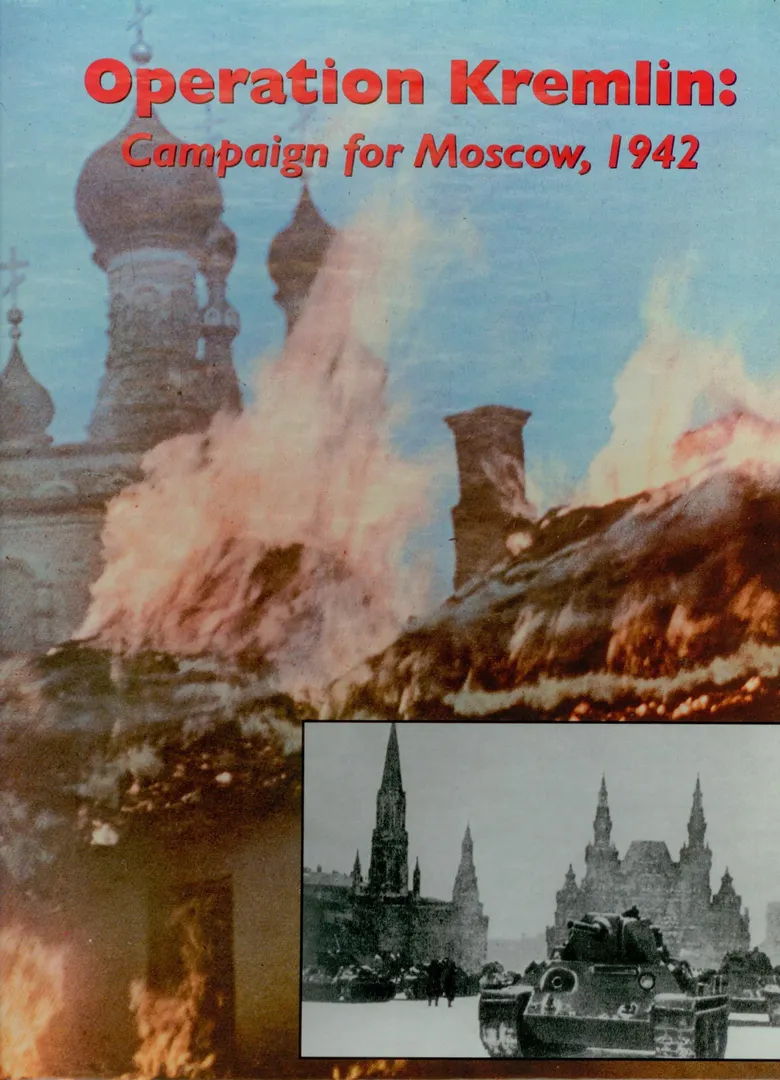

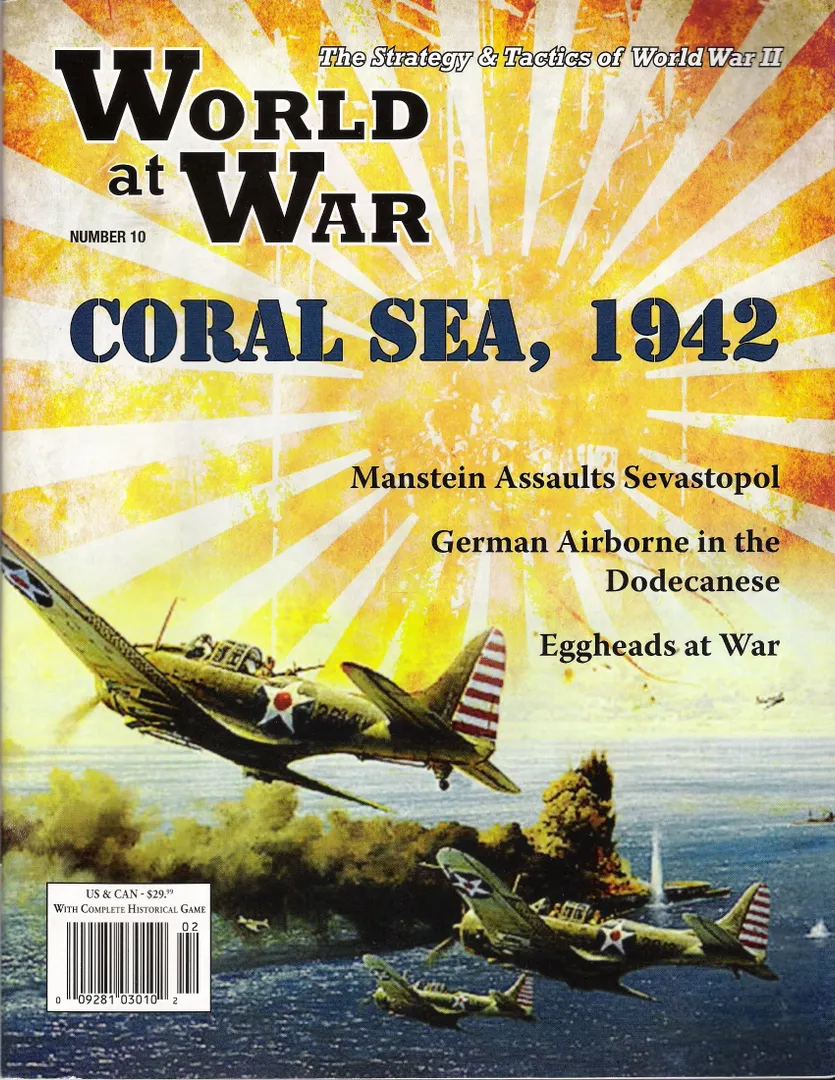
This is low-to intermediate-complexity, two-player, examination of the historic alternative to Montgomery's ill-fated Operation Market Garden. Instead of his left-jab through lowland Holland to the Rhine, we have Patton's proposed right-hook, starting at Metz and swinging north and east toward the Ruhr for a war-winning knockout blow. Or, as an alternative within an alternative, the Allied player may try for a more conservative push straight east to the Rhine, there to create a bridgehead over that German river, thereby likely advancing the advent of V-E Day by at least three or four months. As soon as you begin to game Patton's alternative to Montgomery's all or nothing plan, it becomes clear what a huge opportunity Eisenhower missed by backing the wrong subordinate. That is, for the British field marshal's plan to have succeeded, it really did have to go all the way, or at least get across the Rhine in some significant way. Failing short of both the Rhine and the Ruhr, as happened historically, meant a month had been wasted and a lot of lives lost only to create a salient to nowhere. Had Patton's idea been tried, only to fail as badly, a salient of that same size – but jutting north into the Rhineland from a base at Metz – would've done much more for the Allied cause. We've broadened the appeal of this design beyond those who enjoy alternative history by including a second, historical, scenario. At first we were only going to cover the actual Market-Garden portion of Montgomery's operations in September 1944. It quickly became apparent, however, portrayed at these time, space and unit scales, such a game would be a dud, with a map only nine hexes long and three wide. So we broadened the thing's shoulders by expanding the coverage to take in all Montgomery's possibilities that fateful month. So now you can choose a straight-up historic approach, or you can have alternative history within your actual history. Each hex on the map equals seven miles from side to opposite side. Each game turn represents three days. Playing pieces represent divisions, brigades, combat commands, Kampfgruppen and regiments of various kinds of infantry and armor formations, each containing from about 3,000 to 14,000 men and 50 to 400 or so armored fighting vehicles.
Dagger Thrusts: Patton & Montgomery, September 1944 supports 1–2 players according to the catalogue. This range comes from the publisher’s listed player count, so the game can be set up for any group size within it. Some setups, rules and scoring details may still vary by player count, so check your edition’s rulebook for the exact configuration.
The listed playing time for Dagger Thrusts: Patton & Montgomery, September 1944 is 180 minutes. This is the publisher’s estimate for a full game. The actual duration depends on the group, the player count and familiarity with the rules: first sessions usually run longer, while experienced groups often finish faster. Setup and teaching time are not included in this estimate.
The catalogue lists Dagger Thrusts: Patton & Montgomery, September 1944 for ages 12 and up. This is the publisher’s recommendation and reflects reading demands, rule complexity and small components rather than theme alone. Younger players can often join with help from an adult, so check the age guidance on your edition and consider your group’s experience with board games.
Dagger Thrusts: Patton & Montgomery, September 1944 has a complexity rating of 2.6 out of 5 from BoardGameGeek players, which makes it a medium-light game. The rating reflects how much rules knowledge, planning and decision-making a typical game demands. Expect a longer first teach for heavier games, and use a preparation guide before game night.
Dagger Thrusts: Patton & Montgomery, September 1944 belongs to these categories: Wargame and World War II. Its main mechanics are Secret Unit Deployment, Hexagon Grid, and Simulation. Categories describe the theme and setting of a game, while mechanics describe what players actually do on their turns. Each mechanic links to a catalogue hub with similar games, which helps when you want something comparable.
The credited designers of Dagger Thrusts: Patton & Montgomery, September 1944 are: Ty Bomba. These credits come from the published game data and name the people responsible for the game’s design, not its illustrators or publishers. Designer pages on MeepleRules collect other titles by the same designers, which helps when you enjoy a game and want to find similar ones.
The catalogue lists Dagger Thrusts: Patton & Montgomery, September 1944 as a base game. It can be played on its own with the components in the box and does not require any other title. Expansions, if any exist, add new content or rules on top of it and are listed separately in the catalogue with a link back to this base game.