
- BGG rank
- BGG #16,080
- BGG rating
- 7.0
Barbarossa: The Russo-German War, 1941-45
- 2 players
- 600 min
- Complexity 2.5/5
- 2008
2009
Rules assistance for Destruction of Army Group Center (Second Edition)
Plain-language explanations of turns, card effects and disputed situations, with official source references and saved question history.
For 2 players
What would you like to know?
Answers come from the official rulebook, with the page to check.
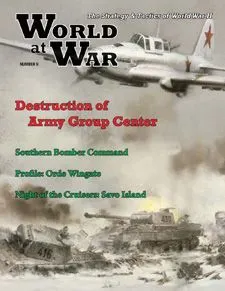
Destruction of Army Group Center (Second Edition) is a board game released in 2009 for 2 players and 180 minutes per game. It was designed by Ty Bomba and its main mechanics are Dice Rolling, Variable Set-up, and Grid Movement.
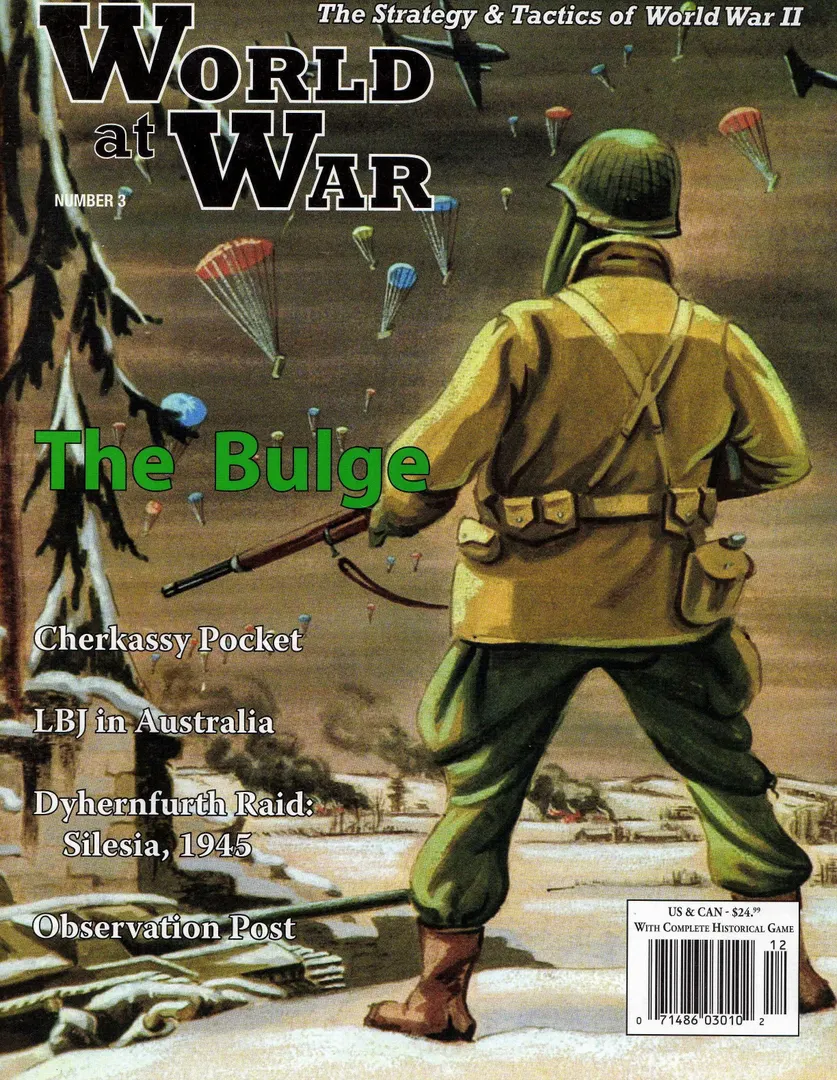
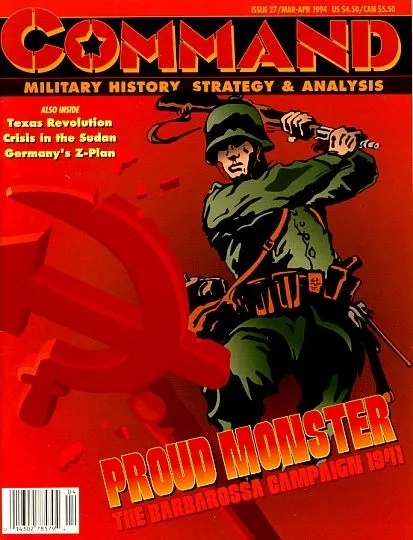
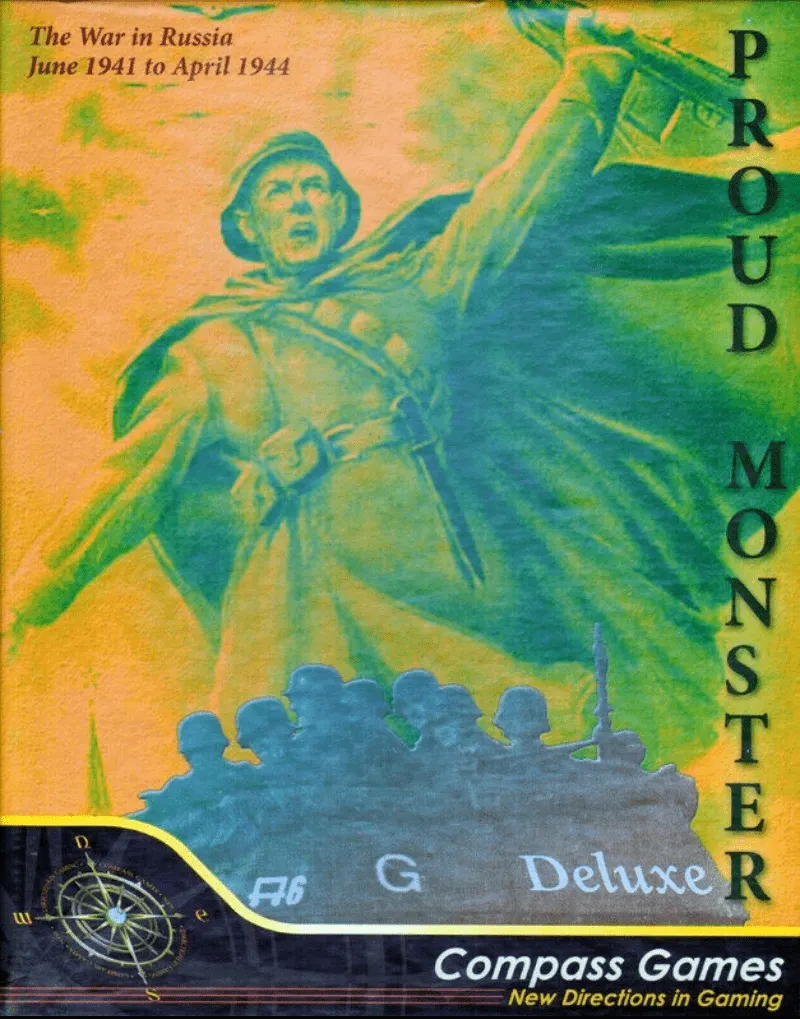
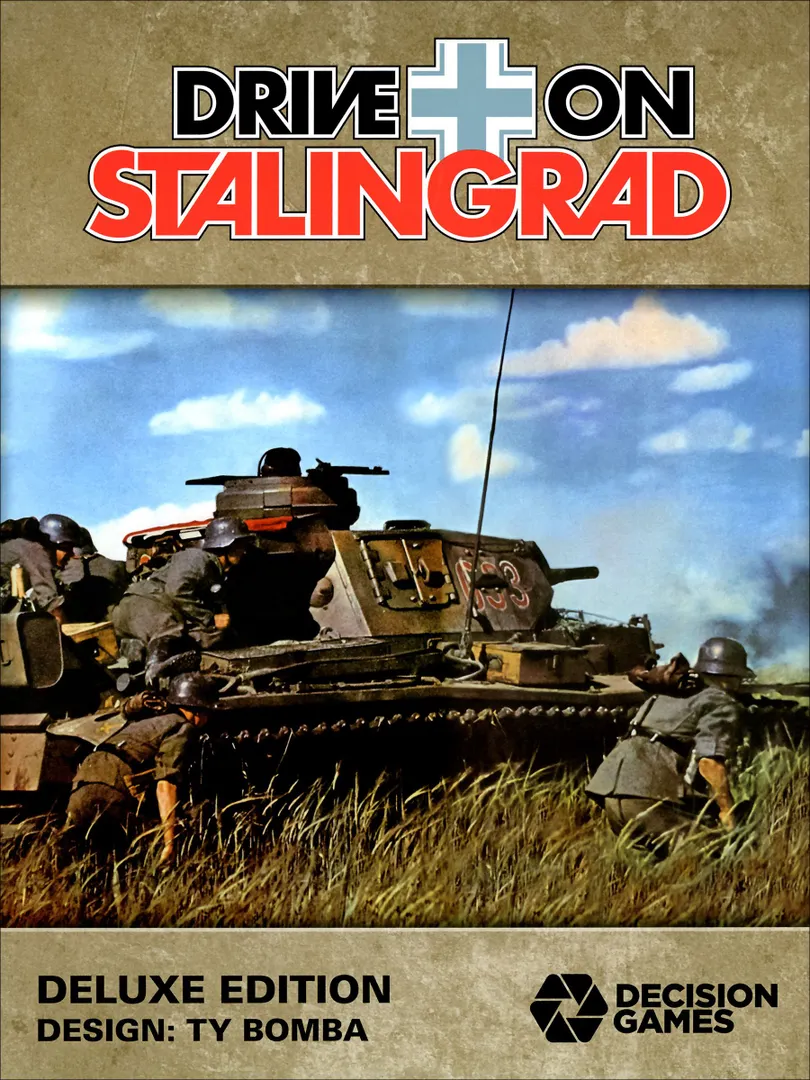
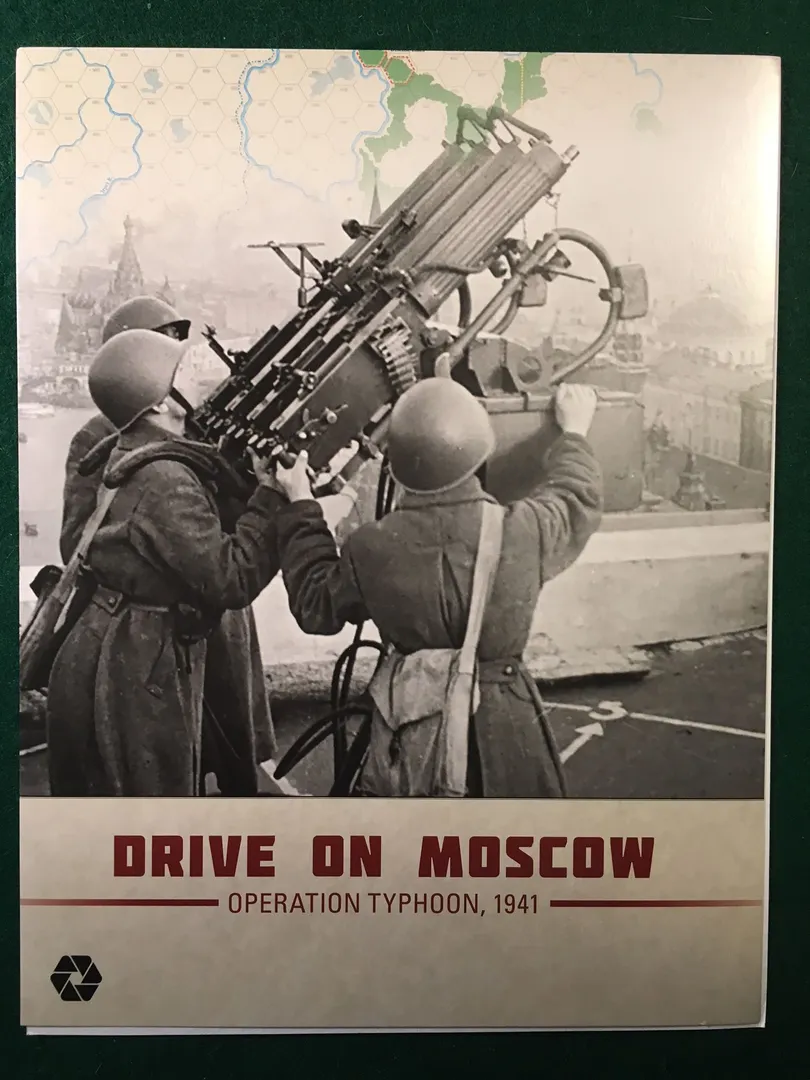
This new version of Destruction of Army Group Center is a thorough redesign, by Ty Bomba, of the game originally published by old-SPI in the early 1970s (in S&T#36). The campaign under examination is “Operation Bagration,” the Red Army’s summer offensive of 1944 during which they destroyed more German manpower and equipment than had been lost at Stalingrad. Without question a one-sided affair in terms of which side is ‘shaping the battlefield’ and ‘controlling the tempo,’ we’ve managed to make things more interesting for both players by broadening the map to cover not only Byelorussia, but all of the Baltic Republics as well as the northwest Ukraine. That expansion gives both players more interesting options and strategies in terms of how to pursue victory. Each hex on the 34x22” large-hex map equals 16 miles (26 kilometers). Each of the nine game turns equals one week, from IV June through IV August. Units of maneuver are corps (and static “fortified localities”) for the Germans and armies for the Soviets. The latter’s great airpower advantage is represented in the form of 10 “air armies.” There are 176 large-size unit-counters included, most done in NATO-style, but also with iconic markers. The system is an adaptation of the one used in issue number three’s Bulge, which means two experienced players can finish a match in about three to four hours. The historical scenario provides exact set ups for both sides, but there are also free-deployment options. The “Bold Stroke” scenario allows the Soviet player to try the approach the Germans were expecting: putting the weight of the offensive in the western Pripyat Marsh and driving straight for Koenigsberg. Other options allow the investigation of such historical “what ifs” as the failure of the Western Allies’ D-Day landing or no July bomb plot against Hitler.
Destruction of Army Group Center (Second Edition) supports 2 players according to the catalogue. This is the publisher’s listed player count, so the game is designed for exactly that number of participants. Variants for other group sizes, if any, are described in the rulebook of your edition, so check it before setting up a different configuration.
The listed playing time for Destruction of Army Group Center (Second Edition) is 180 minutes. This is the publisher’s estimate for a full game. The actual duration depends on the group, the player count and familiarity with the rules: first sessions usually run longer, while experienced groups often finish faster. Setup and teaching time are not included in this estimate.
Destruction of Army Group Center (Second Edition) has a complexity rating of 2.3 out of 5 from BoardGameGeek players, which makes it a medium-light game. The rating reflects how much rules knowledge, planning and decision-making a typical game demands. Expect a longer first teach for heavier games, and use a preparation guide before game night.
Destruction of Army Group Center (Second Edition) belongs to these categories: Wargame and World War II. Its main mechanics are Dice Rolling, Variable Set-up, and Grid Movement. Categories describe the theme and setting of a game, while mechanics describe what players actually do on their turns. Each mechanic links to a catalogue hub with similar games, which helps when you want something comparable.
The credited designers of Destruction of Army Group Center (Second Edition) are: Ty Bomba. These credits come from the published game data and name the people responsible for the game’s design, not its illustrators or publishers. Designer pages on MeepleRules collect other titles by the same designers, which helps when you enjoy a game and want to find similar ones.
The catalogue lists Destruction of Army Group Center (Second Edition) as a base game. It can be played on its own with the components in the box and does not require any other title. Expansions, if any exist, add new content or rules on top of it and are listed separately in the catalogue with a link back to this base game.