
- BGG rank
- BGG #13,332
- BGG rating
- 6.7
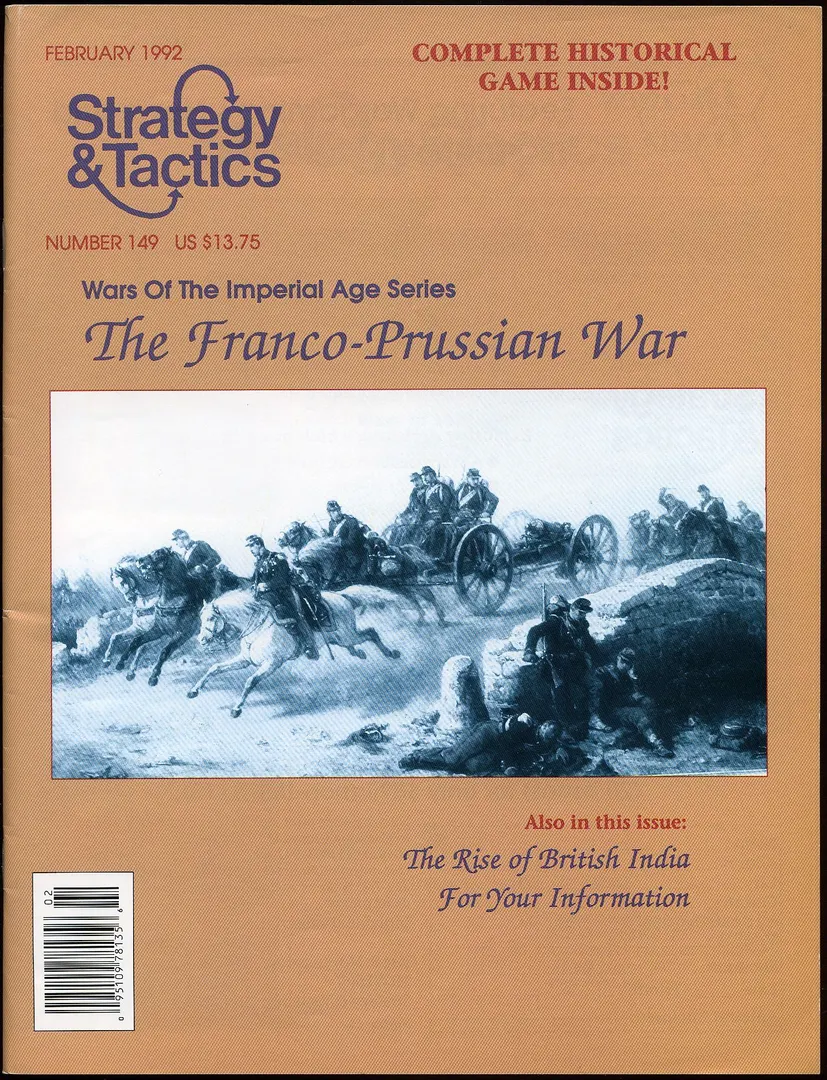
The Franco-Prussian War
- 2 players
- 360–600 min
- Complexity 3.1/5
- 1992
1993
Rules assistance for Empires at War
Plain-language explanations of turns, card effects and disputed situations, with official source references and saved question history.
For 2 players
What would you like to know?
Answers come from the official rulebook, with the page to check.
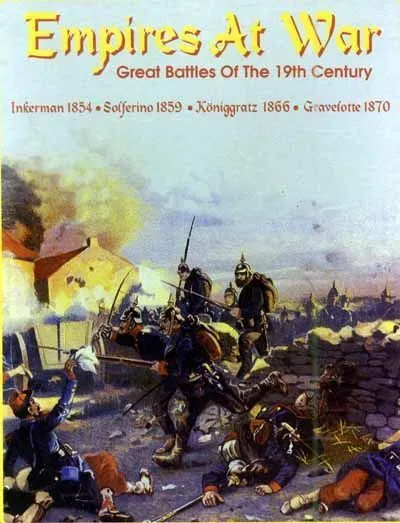
Empires at War is a board game released in 1993 for 2 players, 180 minutes per game, and ages 12 and up. It was designed by Joseph Miranda and its main mechanics are Hexagon Grid.
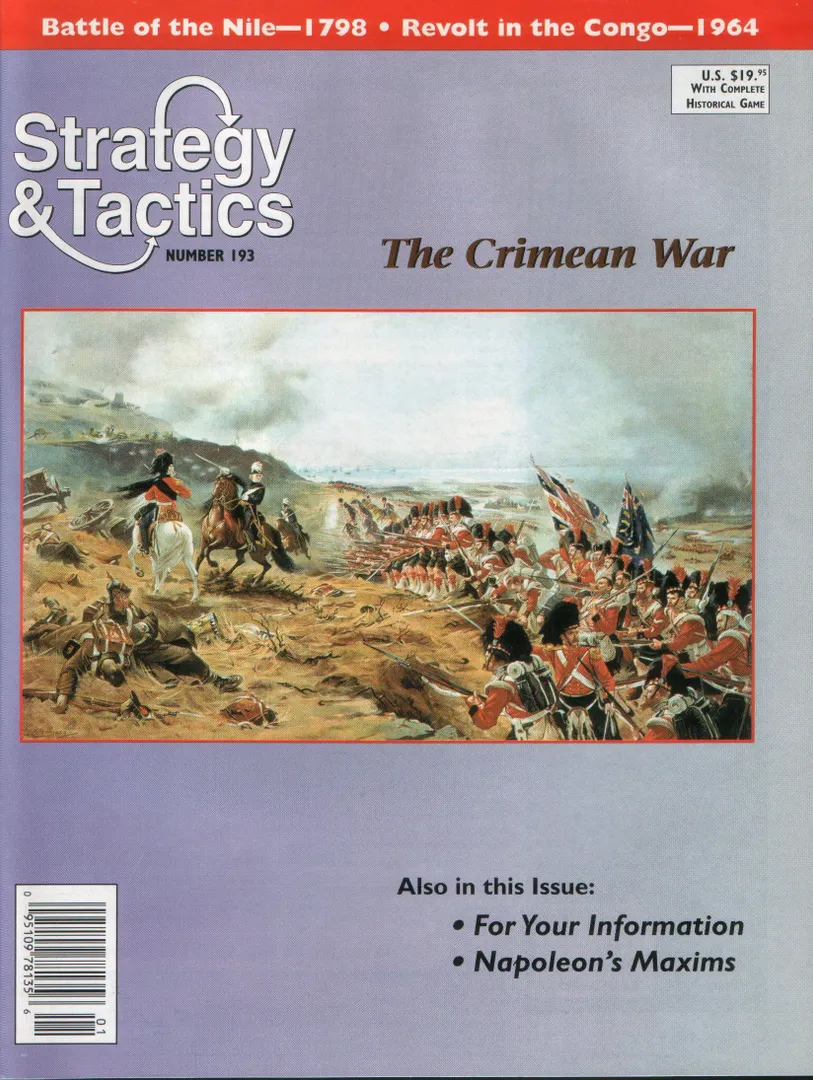
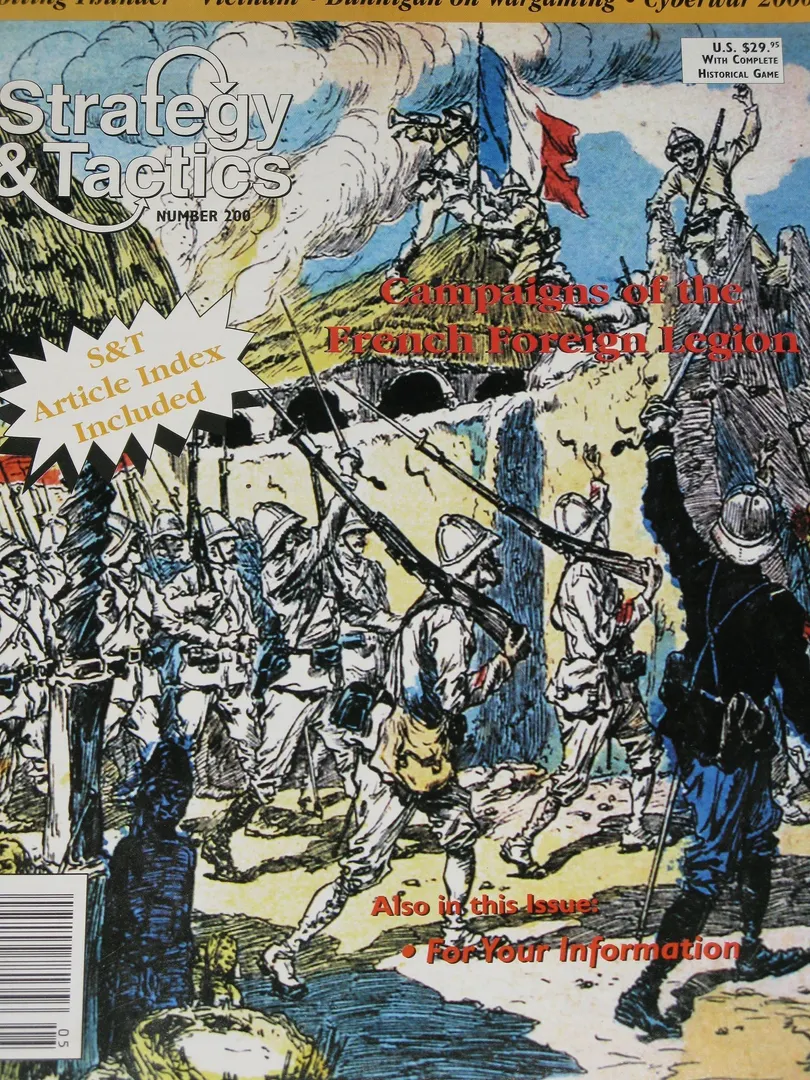
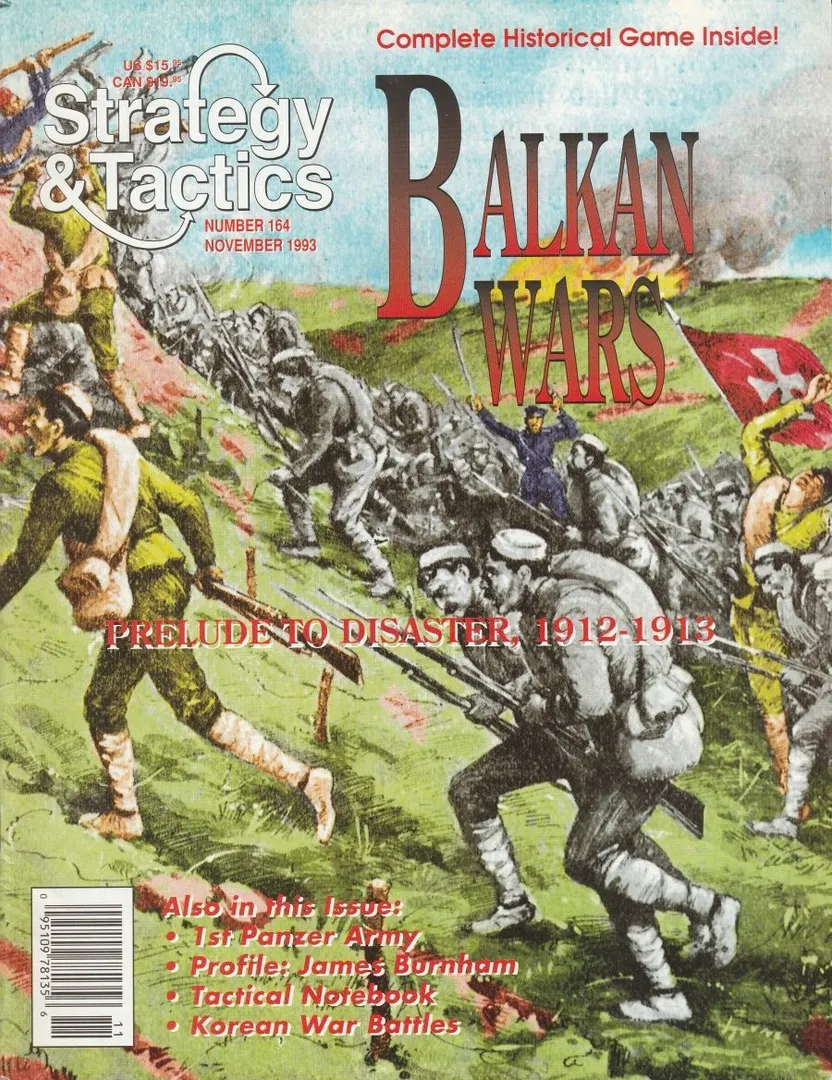
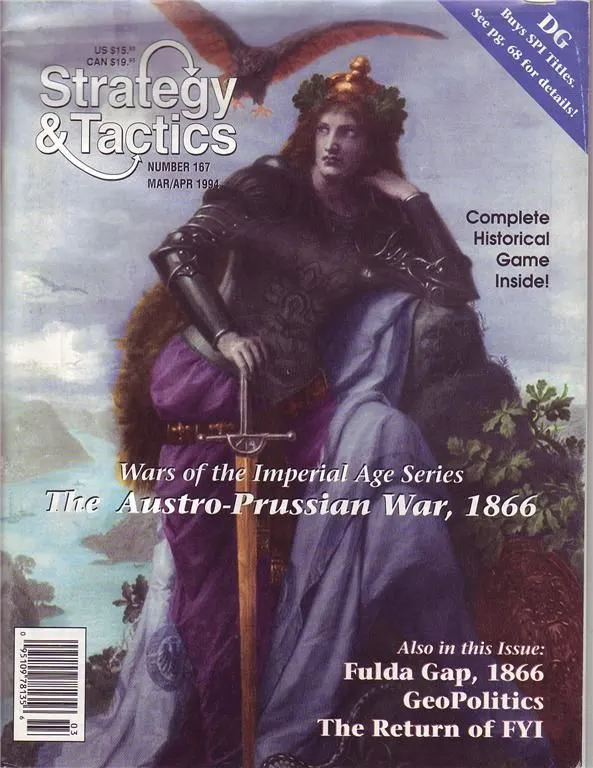
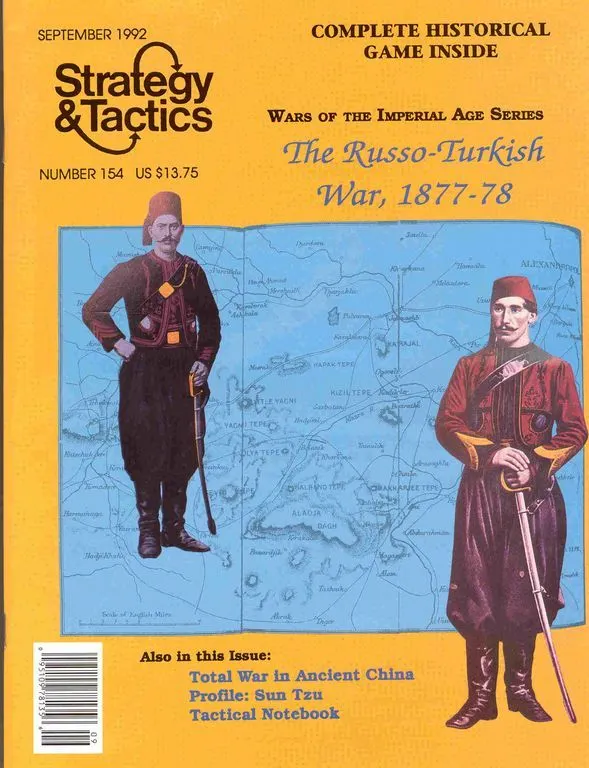
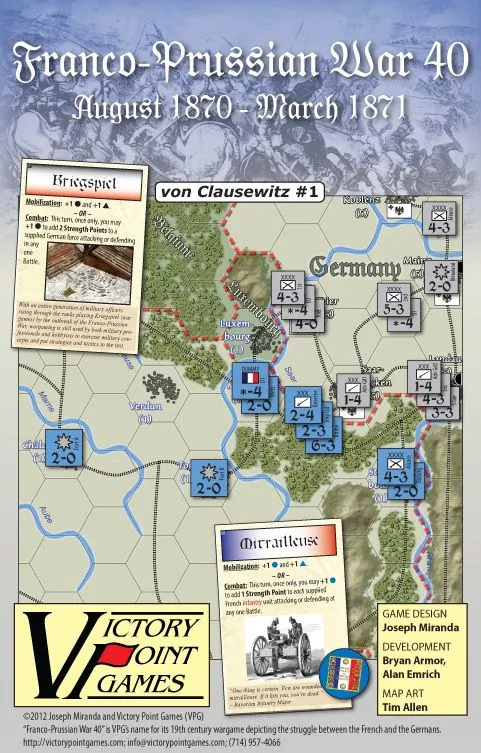
(from Decision Games website:) The 19th century saw the great imperial powers of Europe clash in titanic battles to establish control over the continent. Empires at War simulates four of these battles. The Basic Game allows beginners to learn quickly, while providing experienced players an exciting evening of action. The Advanced Game fully simulates grand tactics of this period. Rules include provisions for light infantry (jaegers and chasseurs), command control, morale, fog of war, and mitrailleuse (early machine guns). - Inkerman, 5 November 1854 At the height of the Crimean War, the Russians made a determined attempt to break out of Sevastopol. After a desperate day of fighting in rough terrain and fog, the Russians nearly broke the outnumbered Allies, but fell back with severe losses. - Solferino, 24 June 1859 A decisive clash between the French/Sardinian and the Austrians came at the town of Solferino. The narrow French/Sardinian victory over Austria was due to the intrepid leadership of individual French corps commanders. - Koniggratz, 3 July 1866 The decisive battle of the "Six Weeks War" came after a month of preliminary maneuvering. After a day of bloody see-saw fighting, the Prussian Second Army suddenly appeared on the northern flank, rolling up the Austrian line. - Gravelotte-St. Privat, 18 August 1870 The decisive action occurred near the great fortress of Metz. The situation might have turned in favor of the French, but hesitation allowed Von Moltke to regroup and prepare a flanking maneuver that assured a German victory. Components: 400 counters 16-page rule book 4 maps on (2) 22" x 34" mapsheets 1 inch box (BGG description:) Quad game depicting 4 battles fought during the 19th century: Inkerman (1854), Solferino (1859), Königgratz (1866) and Gravelotte (1870). Lots of chrome rules, including command control,different weapon types and morale. Nato style counters. Four maps (3 large and 1 small). Inkerman,whilst fought on the smallest map due to the small battlefield, is a standout. Games are always close and are extremely accurate and well designed and researched. A well designed simulation.
Empires at War supports 2 players according to the catalogue. This is the publisher’s listed player count, so the game is designed for exactly that number of participants. Variants for other group sizes, if any, are described in the rulebook of your edition, so check it before setting up a different configuration.
The listed playing time for Empires at War is 180 minutes. This is the publisher’s estimate for a full game. The actual duration depends on the group, the player count and familiarity with the rules: first sessions usually run longer, while experienced groups often finish faster. Setup and teaching time are not included in this estimate.
The catalogue lists Empires at War for ages 12 and up. This is the publisher’s recommendation and reflects reading demands, rule complexity and small components rather than theme alone. Younger players can often join with help from an adult, so check the age guidance on your edition and consider your group’s experience with board games.
Empires at War has a complexity rating of 2.7 out of 5 from BoardGameGeek players, which makes it a medium-light game. The rating reflects how much rules knowledge, planning and decision-making a typical game demands. Expect a longer first teach for heavier games, and use a preparation guide before game night.
Empires at War belongs to these categories: Wargame and Post-Napoleonic. Its main mechanics are Hexagon Grid. Categories describe the theme and setting of a game, while mechanics describe what players actually do on their turns. Each mechanic links to a catalogue hub with similar games, which helps when you want something comparable.
The credited designers of Empires at War are: Joseph Miranda. These credits come from the published game data and name the people responsible for the game’s design, not its illustrators or publishers. Designer pages on MeepleRules collect other titles by the same designers, which helps when you enjoy a game and want to find similar ones.
The catalogue lists Empires at War as a base game. It can be played on its own with the components in the box and does not require any other title. Expansions, if any exist, add new content or rules on top of it and are listed separately in the catalogue with a link back to this base game.