
- BGG rank
- BGG #15,615
- BGG rating
- 6.8
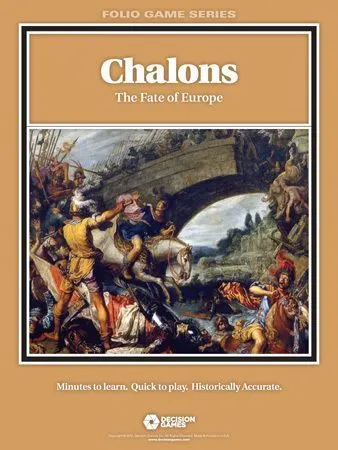
Chalons: The Fate of Europe
- 1–2 players
- 60 min
- Complexity 2.0/5
- 2010
2020
Rules assistance for Forgotten Pacific Battles
Plain-language explanations of turns, card effects and disputed situations, with official source references and saved question history.
For 1 player
What would you like to know?
Answers come from the official rulebook, with the page to check.
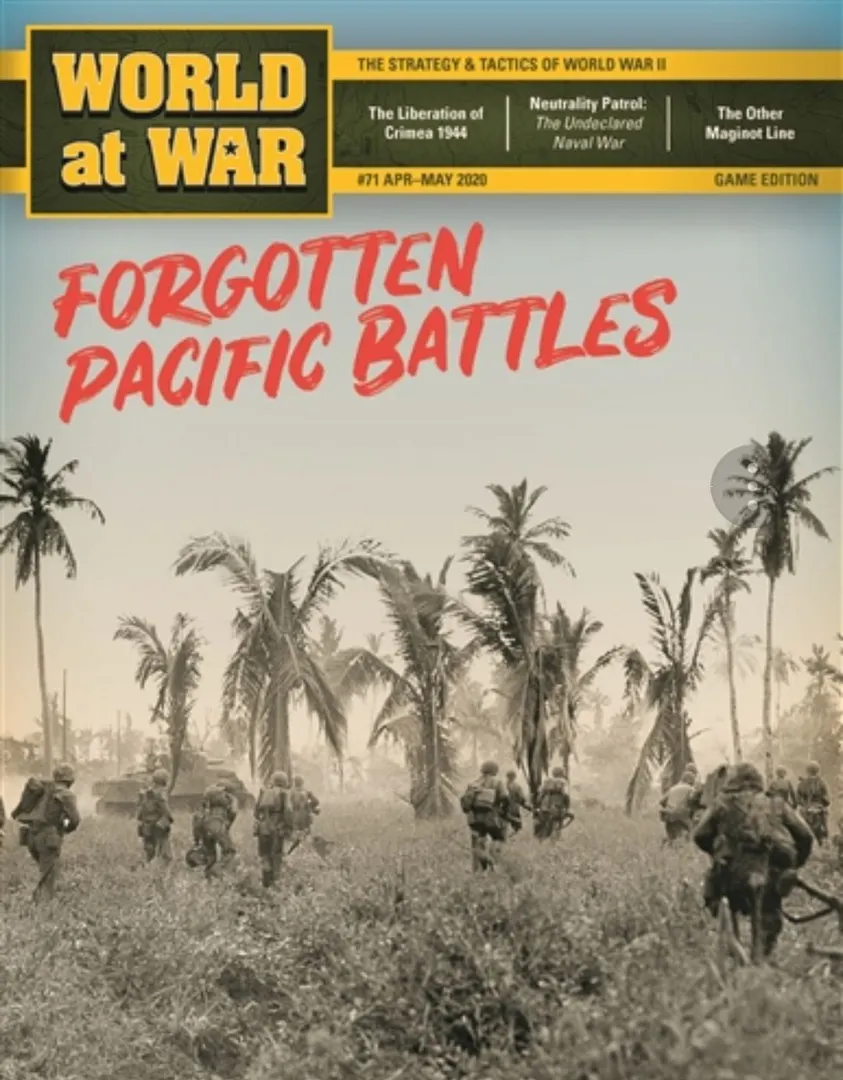
Forgotten Pacific Battles is a board game released in 2020 for 1–2 players and 30–180 minutes per game. It was designed by Eric R. Harvey and its main mechanics are Dice Rolling, Grid Movement, and Hexagon Grid.



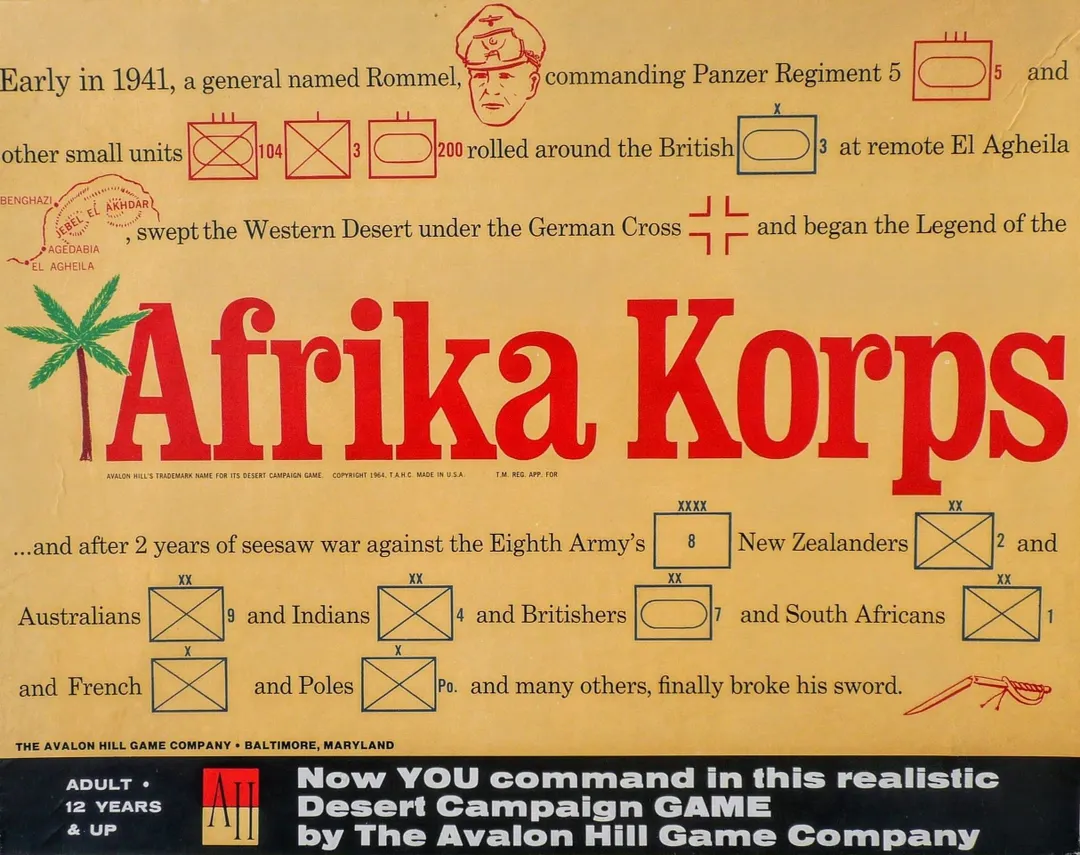
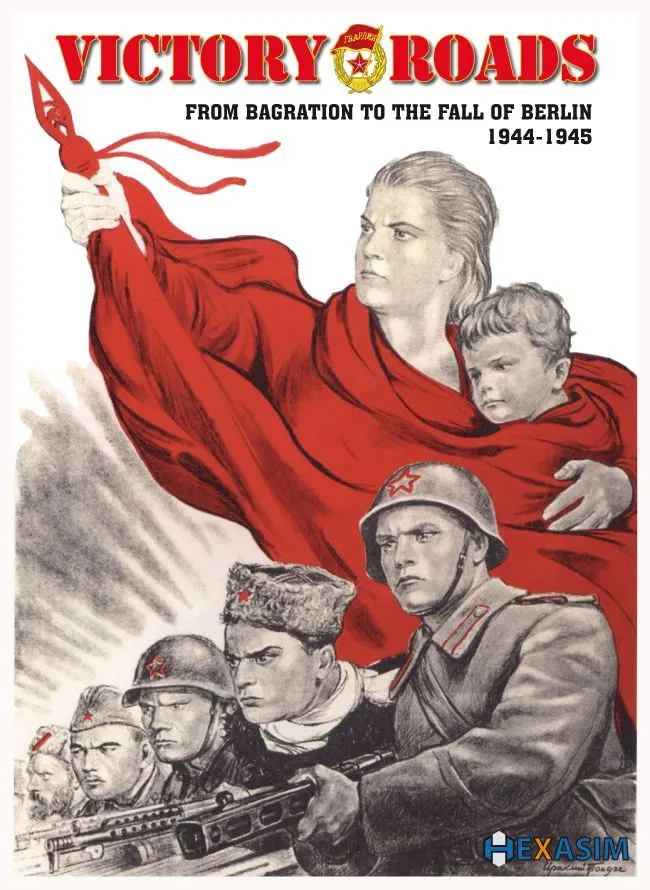

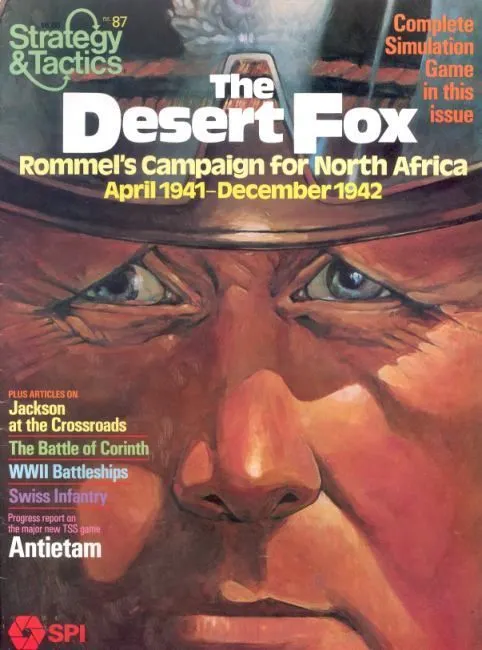
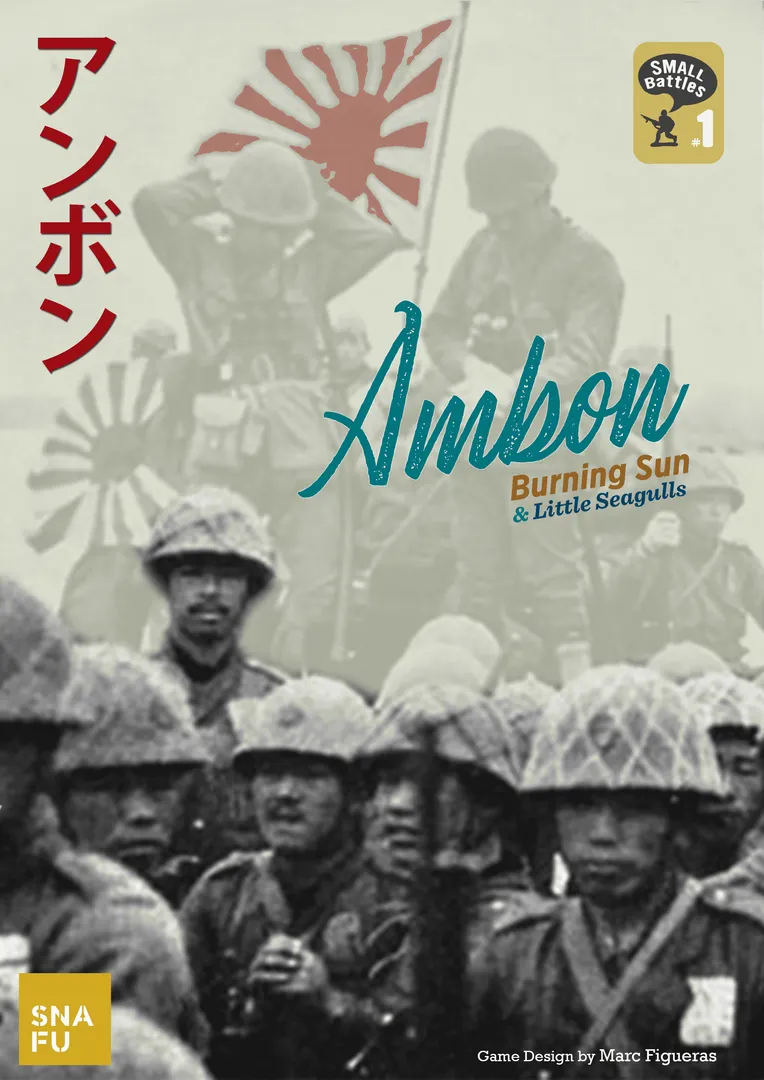
Forgotten Pacific Battles is a simulation of the US invasions of Micronesia from February to October 1944. Specifically, this game includes the invasion of Tinian, Engebi, Parry, Eniwetok, Guam, and Angaur Island as part of the U.S. goal of establishing bases that would allow American bombers, for the first time, to launch within range of the Japanese home islands. Accordingly, the Japanese intended to deny the islands to the Americans, or at least make cost prohibitively expensive in terms of lives, as well as buy Japan as much time as possible to allow the Japanese home islands to be continually strengthened and fortified for the inevitable invasion that the Japanese leadership anticipated. Forgotten Pacific Battles, while developed as a solitaire game, it can be just as easily played as a two-player game, using the standard Fire & Movement (F&M) rules and a series of exclusive rules covering each scenario. There are individual scenarios for the islands of Engebi, Eniwetok, Parry, Guam, Tinian and Angaur. Each scenario can be played separately or as part of two different campaign games. Game Scale: Game Turn: variable from 1 to multiple days Hex: 0.3 miles / 500 meters for all scenarios (except Guam 1 mile / 1.61 kilometer) Units: Platoon to Battalion Game Inventory: One 22 x 34" full color map One dual-side printed countersheet (280 1/2" counters) One 16-page rulebook Solitaire Playability: High Complexity Level: Medium Players: 1 or more Playing Time: 30 minutes to 3 hours Published in "World At War" magazine issue #71 (April/May 2020)
Forgotten Pacific Battles supports 1–2 players according to the catalogue. This range comes from the publisher’s listed player count, so the game can be set up for any group size within it. Some setups, rules and scoring details may still vary by player count, so check your edition’s rulebook for the exact configuration.
The listed playing time for Forgotten Pacific Battles is 30–180 minutes. This is the publisher’s estimate for a full game. The actual duration depends on the group, the player count and familiarity with the rules: first sessions usually run longer, while experienced groups often finish faster. Setup and teaching time are not included in this estimate.
Forgotten Pacific Battles has a complexity rating of 2.7 out of 5 from BoardGameGeek players, which makes it a medium-light game. The rating reflects how much rules knowledge, planning and decision-making a typical game demands. Expect a longer first teach for heavier games, and use a preparation guide before game night.
Forgotten Pacific Battles belongs to these categories: Wargame and World War II. Its main mechanics are Dice Rolling, Grid Movement, and Hexagon Grid. Categories describe the theme and setting of a game, while mechanics describe what players actually do on their turns. Each mechanic links to a catalogue hub with similar games, which helps when you want something comparable.
The credited designers of Forgotten Pacific Battles are: Eric R. Harvey. These credits come from the published game data and name the people responsible for the game’s design, not its illustrators or publishers. Designer pages on MeepleRules collect other titles by the same designers, which helps when you enjoy a game and want to find similar ones.
The catalogue lists Forgotten Pacific Battles as a base game. It can be played on its own with the components in the box and does not require any other title. Expansions, if any exist, add new content or rules on top of it and are listed separately in the catalogue with a link back to this base game.