
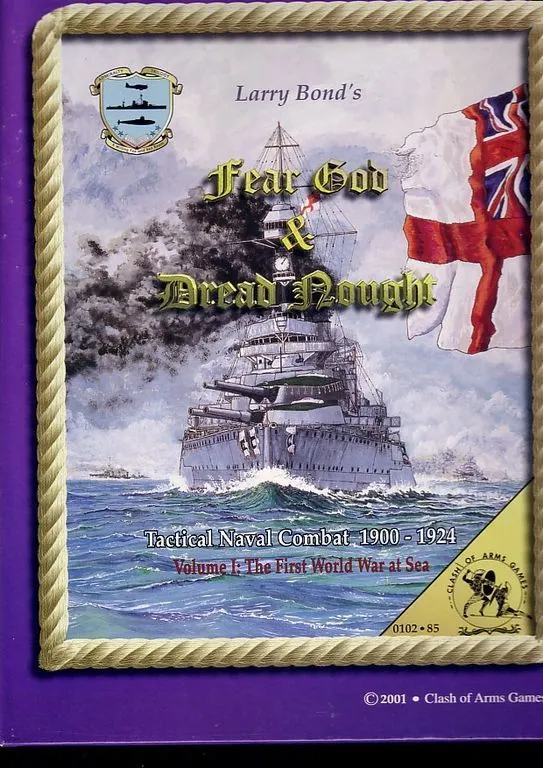
- BGG rank
- BGG #10,936
- BGG rating
- 7.5
Fear God & Dread Nought
- 2–3 players
- 360 min
- Complexity 4.3/5
- 2001
Rules assistance for Great War at Sea: Dutch East Indies
Plain-language explanations of turns, card effects and disputed situations, with official source references and saved question history.
What would you like to know?
Answers come from the official rulebook, with the page to check.
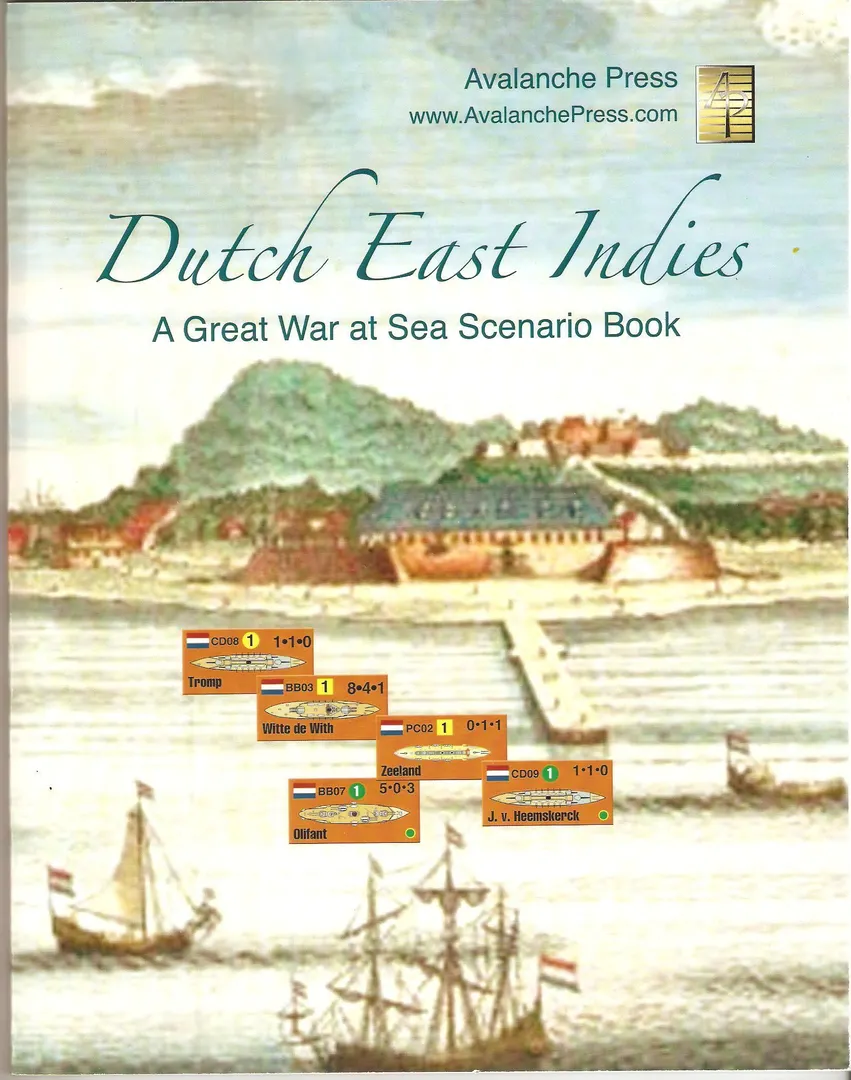
Great War at Sea: Dutch East Indies is an expansion for Great War at Sea: Cruiser Warfare released in 2012 for 1–2 players, 30 minutes per game, and ages 12 and up. It was designed by James Stear and its main mechanics are Dice Rolling, Secret Unit Deployment, and Hexagon Grid.




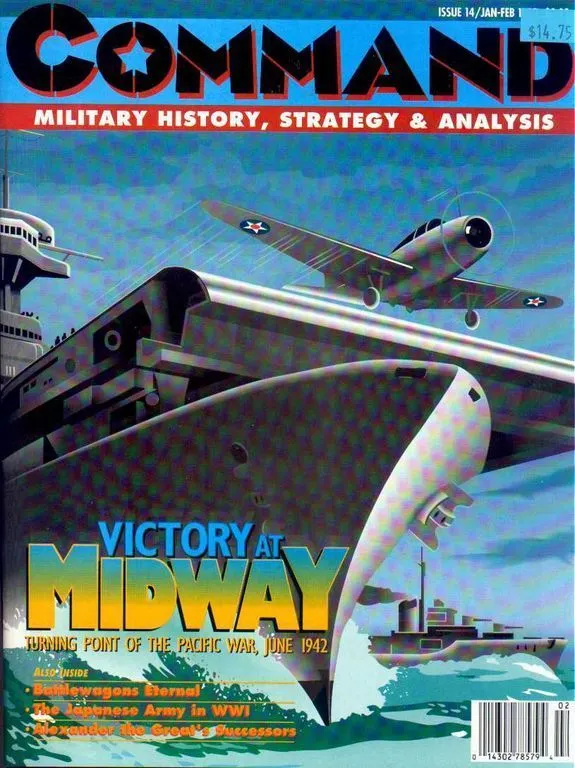
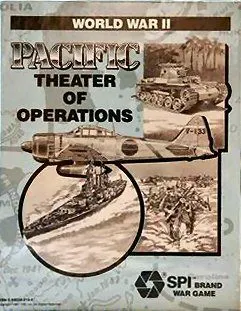
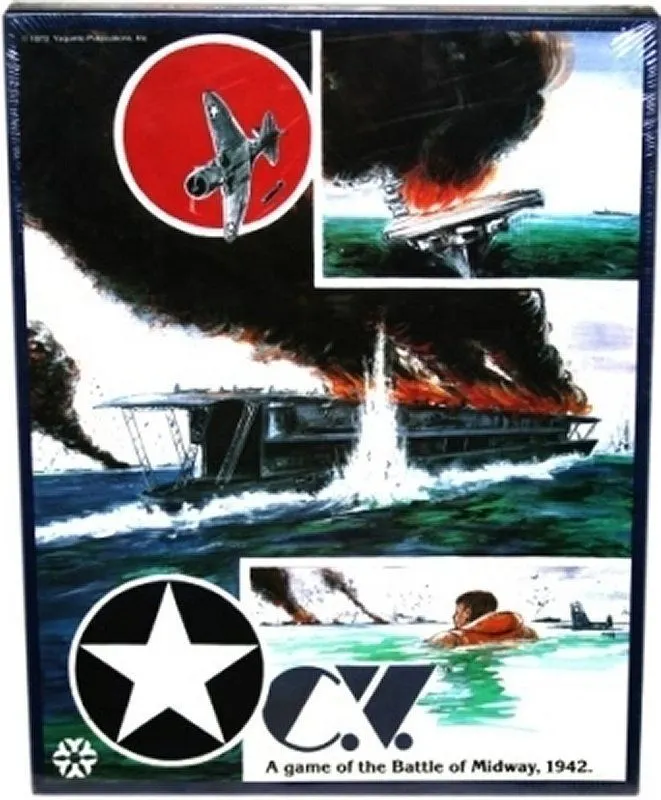

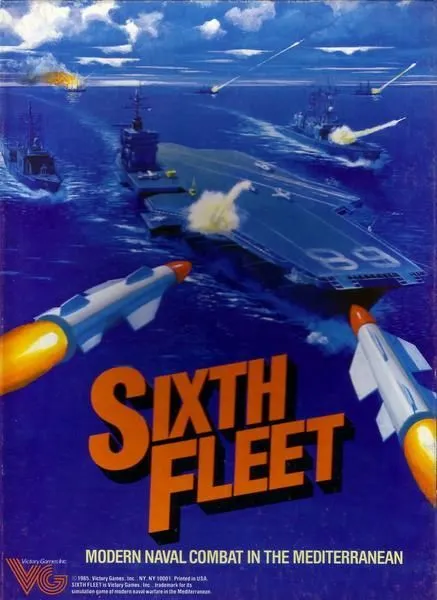
From the Avalanche Press website: For hundreds of years, the Dutch maintained dominion over a vast empire of overseas possessions. By the early 1900’s, many of these territories had been lost to Great Britain, however one of significant import remained: the East Indies, which would later become modern day Indonesia. Little Holland controlled the resources of an island empire of some 40 million people, rich in the resources – oil, rubber, tin and other metals - that would ultimately drive the industrial economies of the 20th century. Covetous eyes watched the development of this region with interest. Japan made numerous inroads with trade missions, while more radical voices called for outright conquest, Germany expressed interest in obtaining island bases there (if not overall acquisition), while Britain stood by, intent that no other nation which could pose a threat to her interests should gain control the islands. Fears of Japanese aggression led the Dutch to consider a vastly expanded Koninklijke Marine with modern dreadnoughts to defend their prize. Dutch East Indies is a 64-page book supplement for the Great War at Sea series, focusing on battles which could have and in some cases did take place in and around these islands over the period 1914-1917. Conflicts between the navy the Dutch considered but never built and Japanese invaders (and others) are explored, along with historical battles and hypothetical situations arising as the principal maritime combatants of the Great War, England and Germany, struggled for control of the seas. There are 35 scenarios, or separate game situations, as well as background articles presenting the history of this Dutch territory, the politics of the Great Powers around it, and the ships that fought or might have fought there. In addition, a campaign game is provided, for those wishing to examine the challenges and surprises that would have faced Dutch and IJN planners in a 1916-1917 Japanese invasion of the East Indies. This supplement contains no pieces or maps; ownership of Pacific Crossroads, Jutland, Cruiser Warfare and the operational maps from Strike South (from the Second World War at Sea series) is required to play the majority of the battle and operational scenarios, while Mediterranean and Dreadnoughts are needed to enjoy them all.
Great War at Sea: Dutch East Indies supports 1–2 players according to the catalogue. This range comes from the publisher’s listed player count, so the game can be set up for any group size within it. Some setups, rules and scoring details may still vary by player count, so check your edition’s rulebook for the exact configuration.
The listed playing time for Great War at Sea: Dutch East Indies is 30 minutes. This is the publisher’s estimate for a full game. The actual duration depends on the group, the player count and familiarity with the rules: first sessions usually run longer, while experienced groups often finish faster. Setup and teaching time are not included in this estimate.
The catalogue lists Great War at Sea: Dutch East Indies for ages 12 and up. This is the publisher’s recommendation and reflects reading demands, rule complexity and small components rather than theme alone. Younger players can often join with help from an adult, so check the age guidance on your edition and consider your group’s experience with board games.
Great War at Sea: Dutch East Indies has a complexity rating of 3.0 out of 5 from BoardGameGeek players, which makes it a medium-weight game. The rating reflects how much rules knowledge, planning and decision-making a typical game demands. Expect a longer first teach for heavier games, and use a preparation guide before game night.
Great War at Sea: Dutch East Indies belongs to these categories: Wargame, Nautical, and Expansion for Base-game. Its main mechanics are Dice Rolling, Secret Unit Deployment, and Hexagon Grid. Categories describe the theme and setting of a game, while mechanics describe what players actually do on their turns. Each mechanic links to a catalogue hub with similar games, which helps when you want something comparable.
The credited designers of Great War at Sea: Dutch East Indies are: James Stear. These credits come from the published game data and name the people responsible for the game’s design, not its illustrators or publishers. Designer pages on MeepleRules collect other titles by the same designers, which helps when you enjoy a game and want to find similar ones.
The catalogue lists Great War at Sea: Dutch East Indies as an expansion for Great War at Sea: Cruiser Warfare. Expansions add new content, rules or scenarios to the base game and usually cannot be played on their own, so you need Great War at Sea: Cruiser Warfare to use it. Check that your edition of Great War at Sea: Cruiser Warfare is compatible, as some expansions were revised between editions.