
- BGG rating
- 6.0
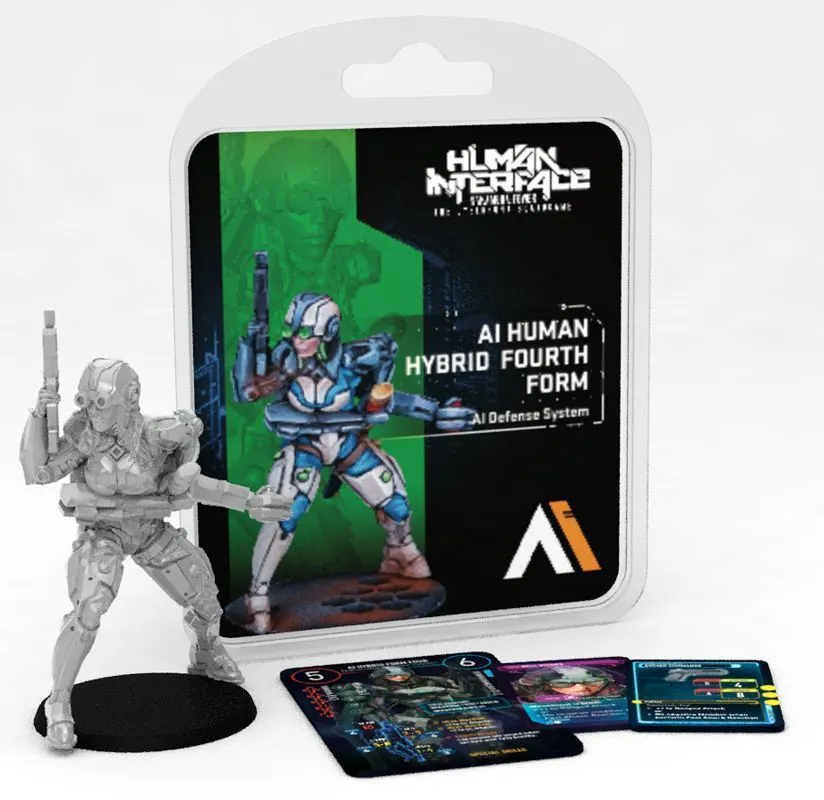
Human Interface: Nakamura Tower – AI Human Hybrid Form 04
- 1–6 players
- 60–180 min
- 2016
2016
Rules assistance for Human Interface: Nakamura Tower
Plain-language explanations of turns, card effects and disputed situations, with official source references and saved question history.
For 2 players
What would you like to know?
Answers come from the official rulebook, with the page to check.
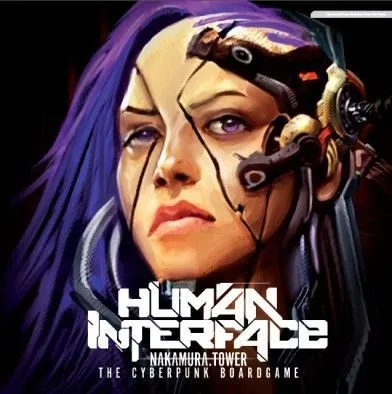
Human Interface: Nakamura Tower is a board game released in 2016 for 2–6 players, 60–180 minutes per game, and ages 12 and up. It was designed by Rafał Bagiński and its main mechanics are Hand Management, Area Movement, and Point to Point Movement.
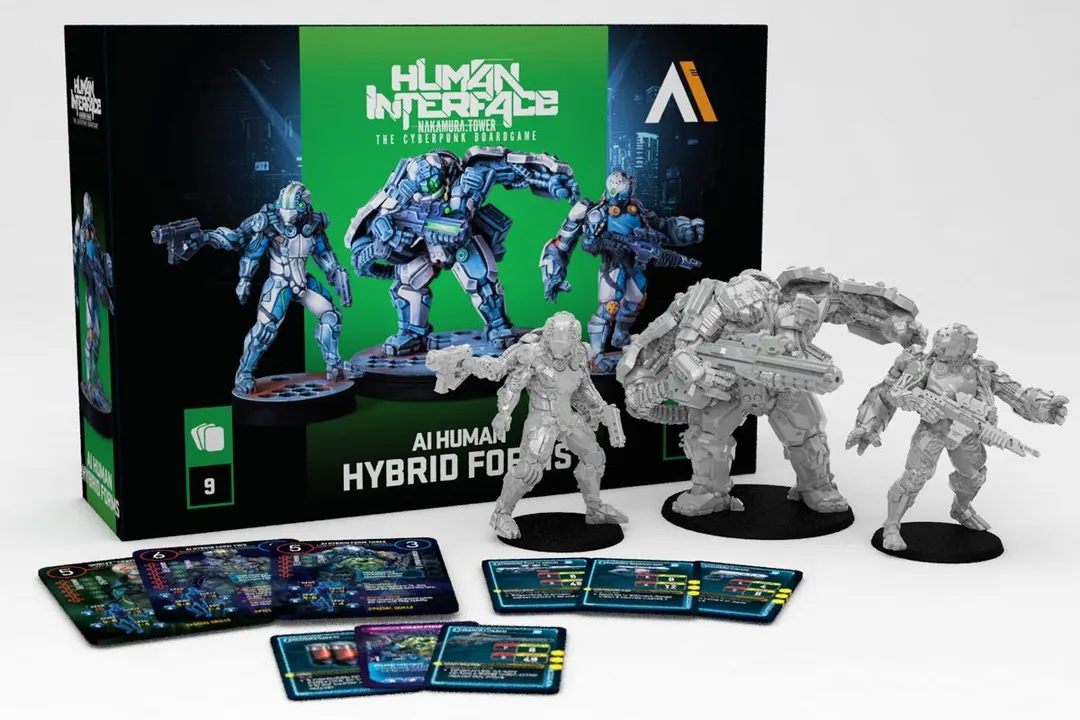
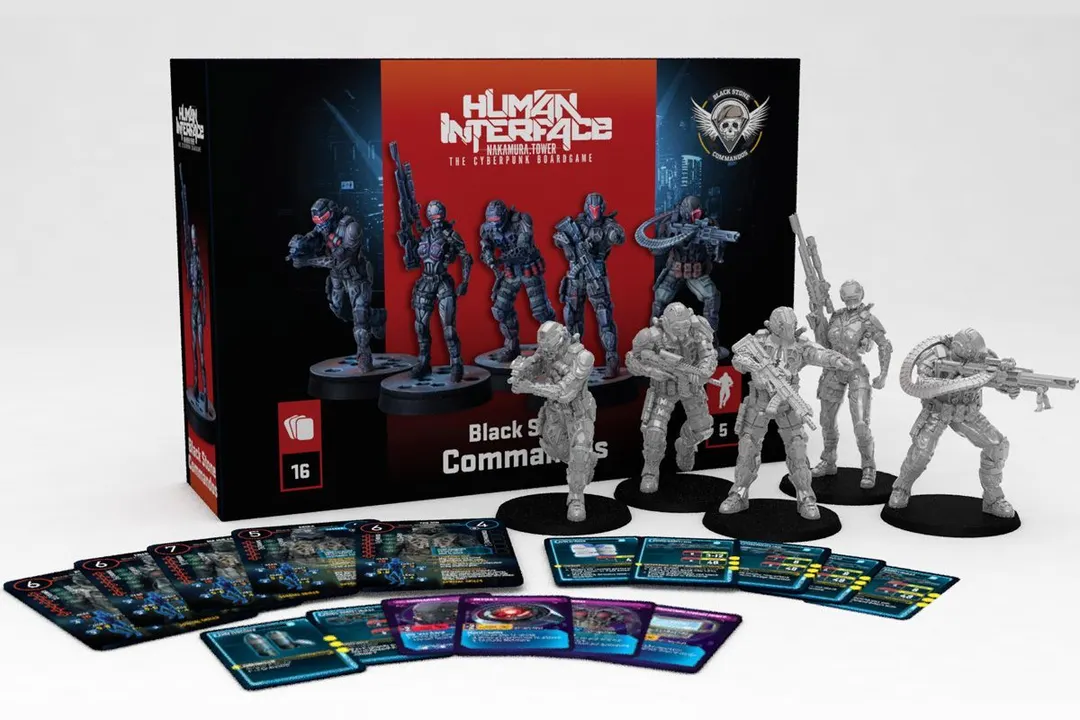
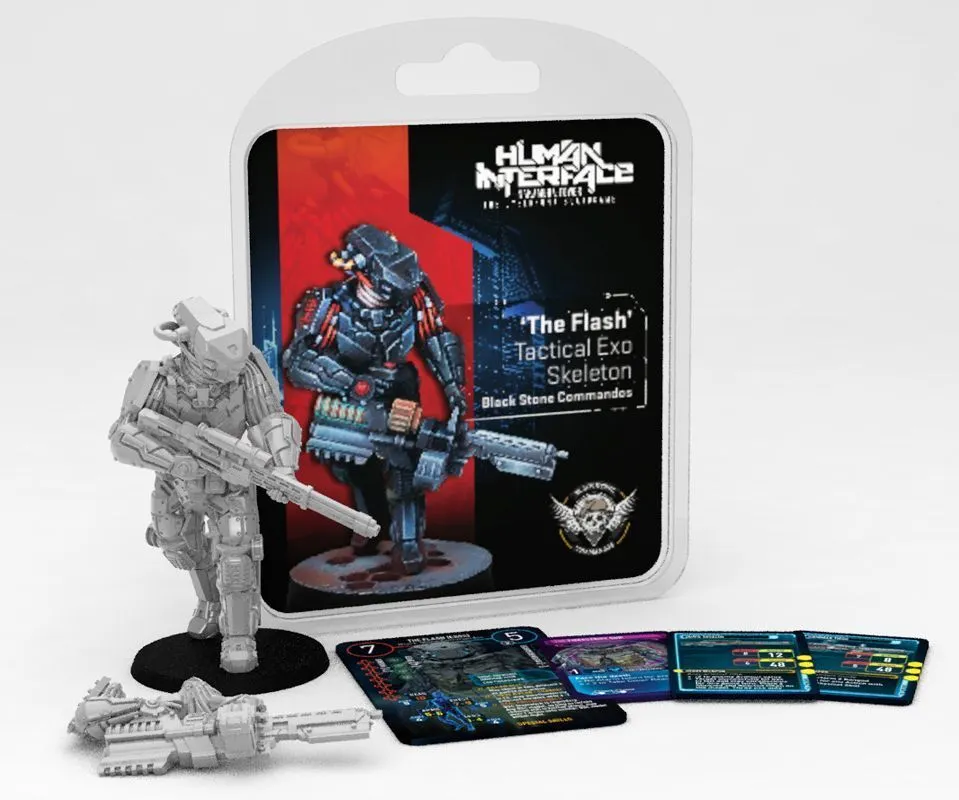
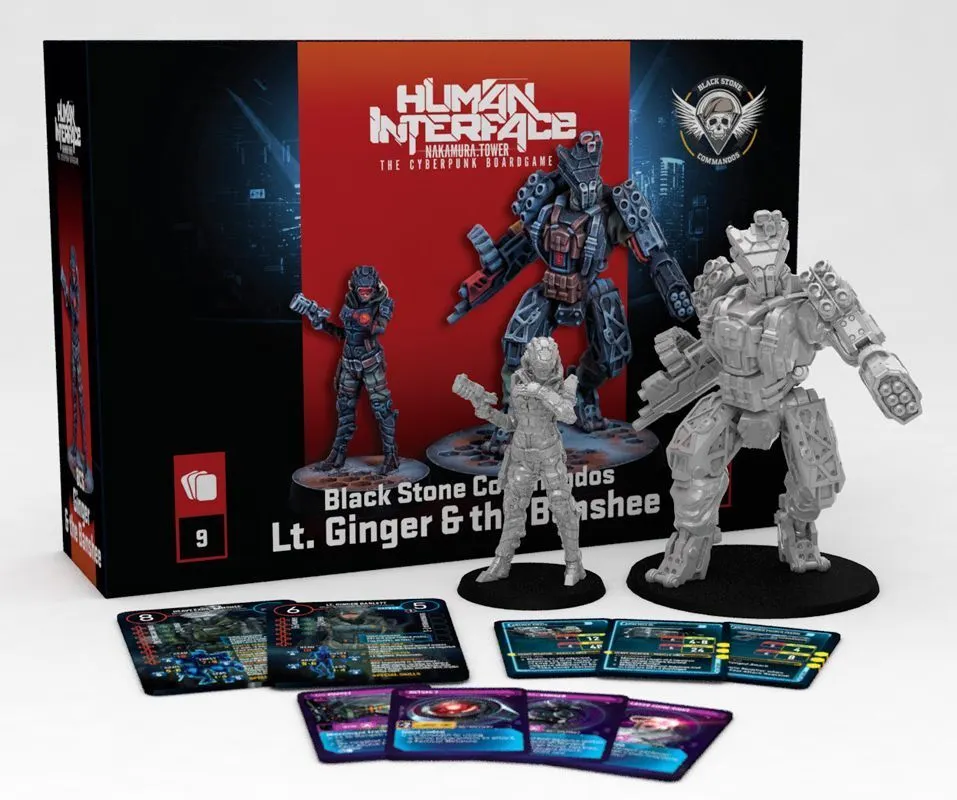
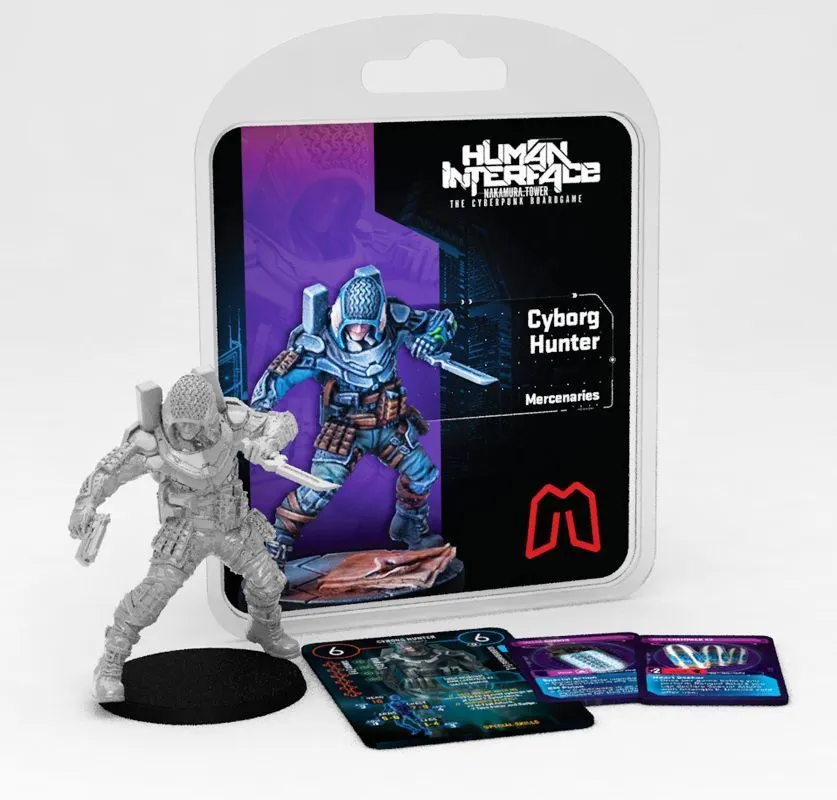

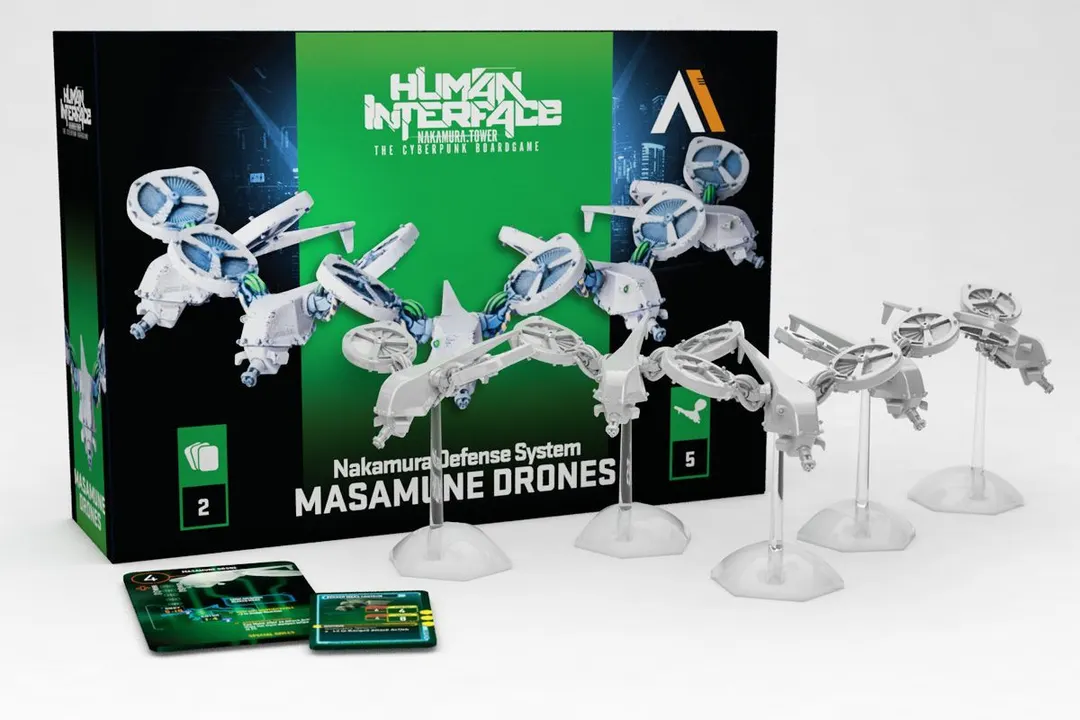
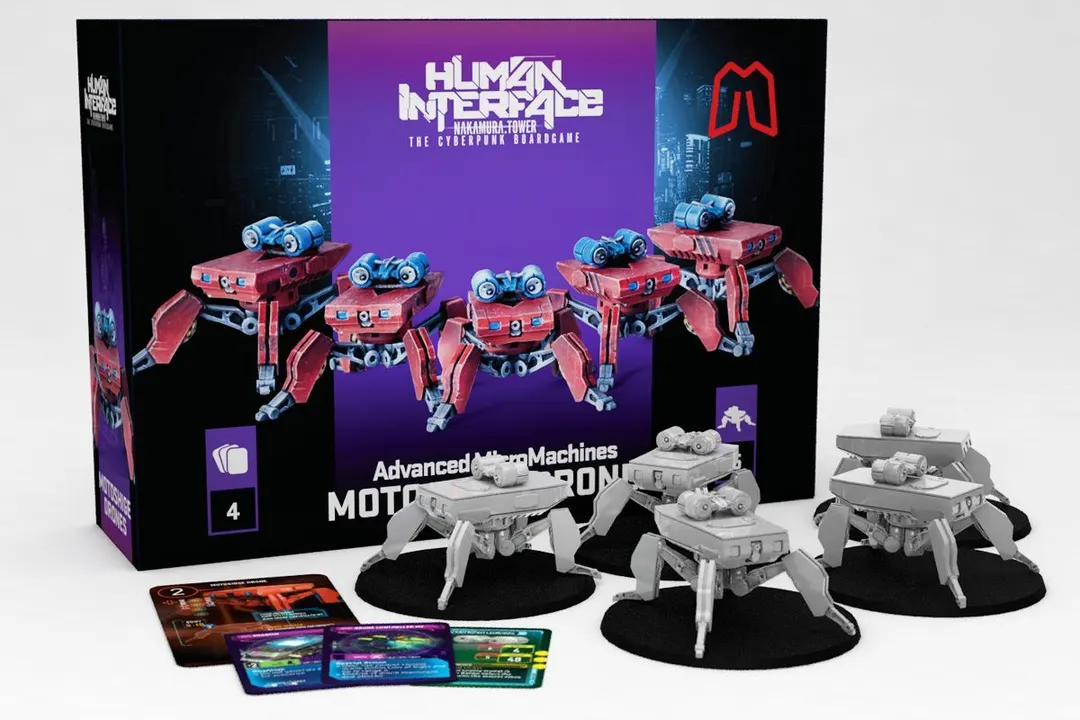
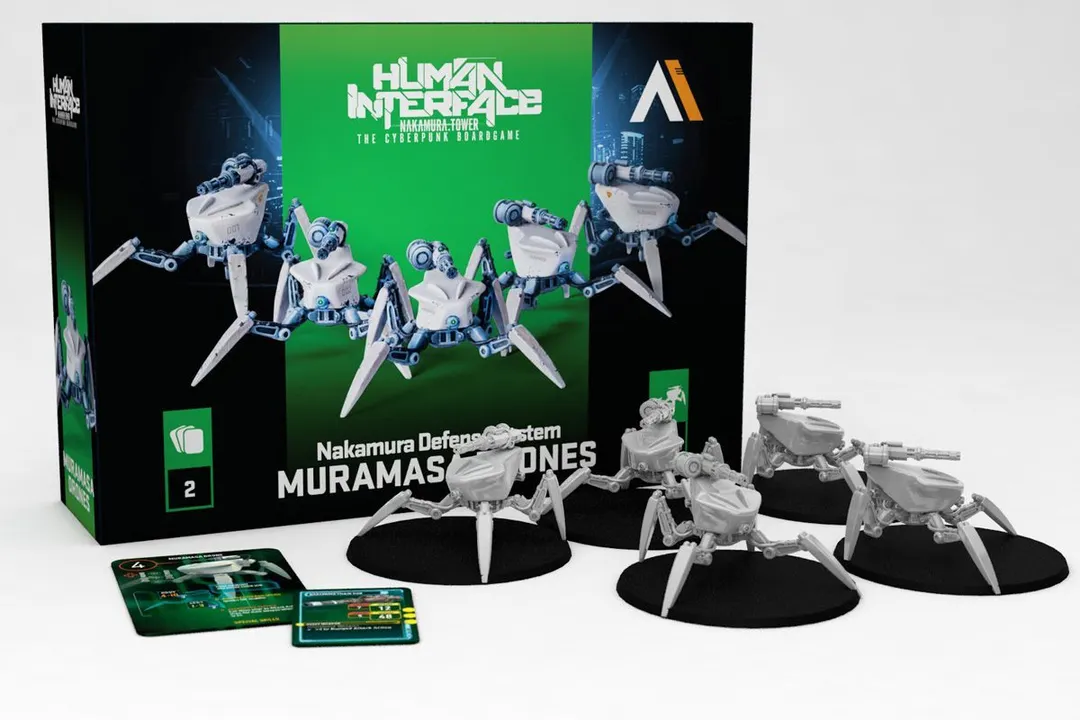

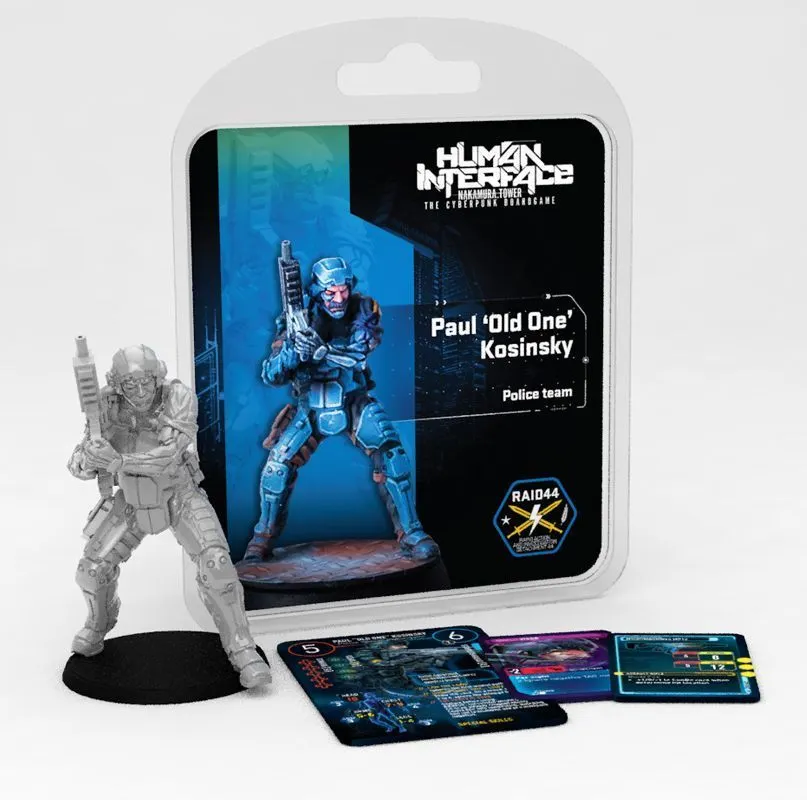
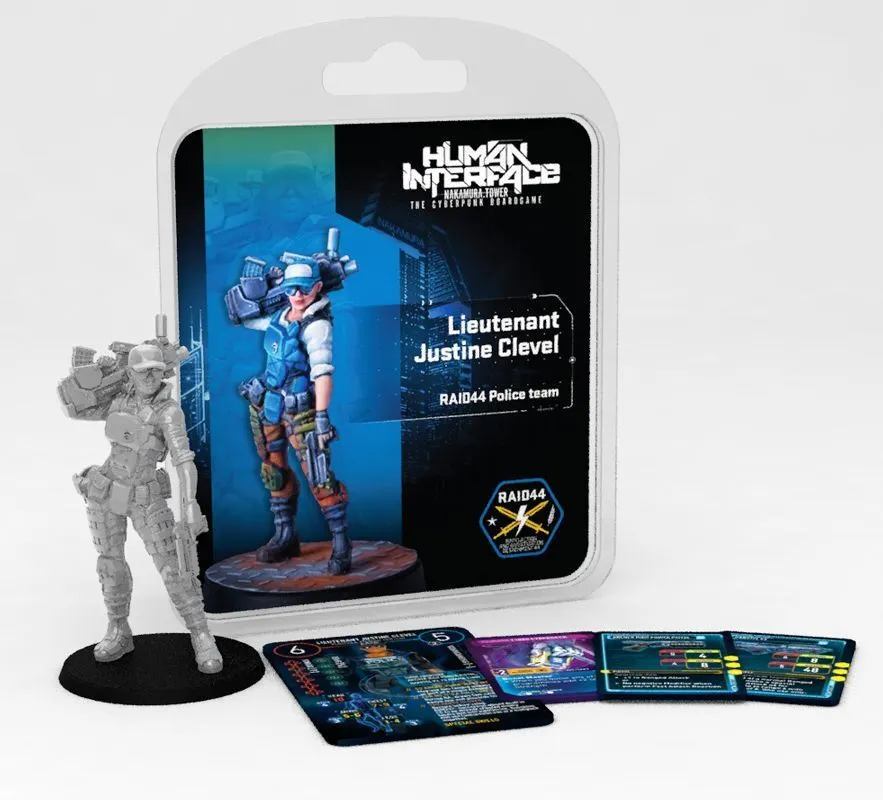
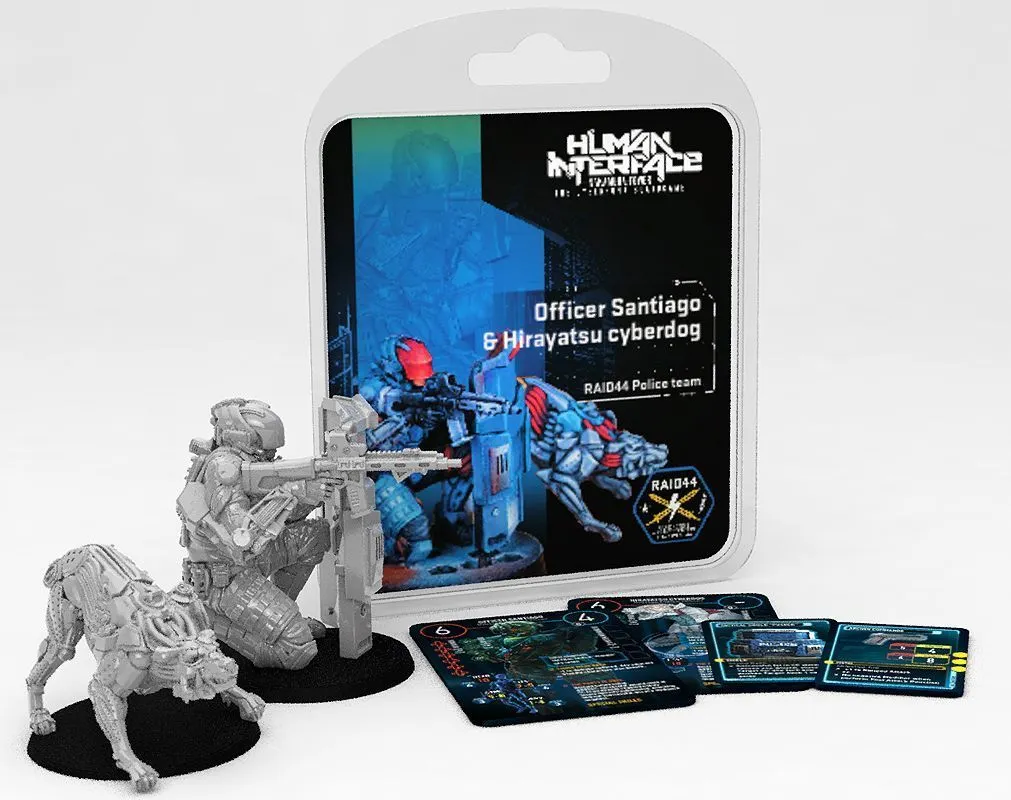
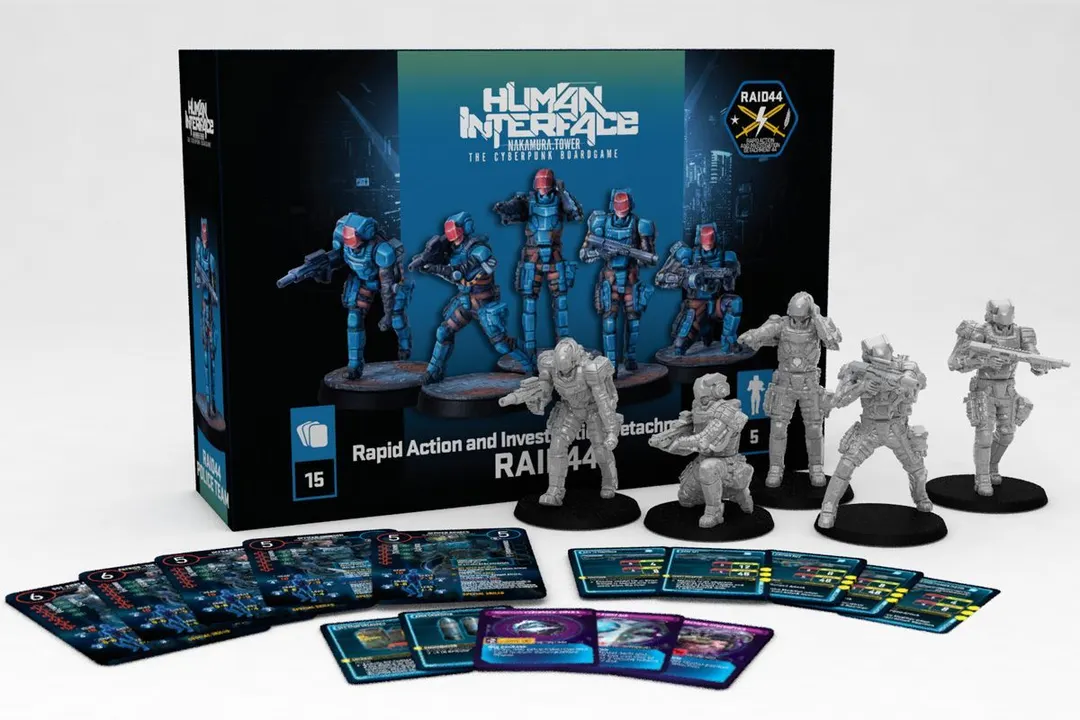

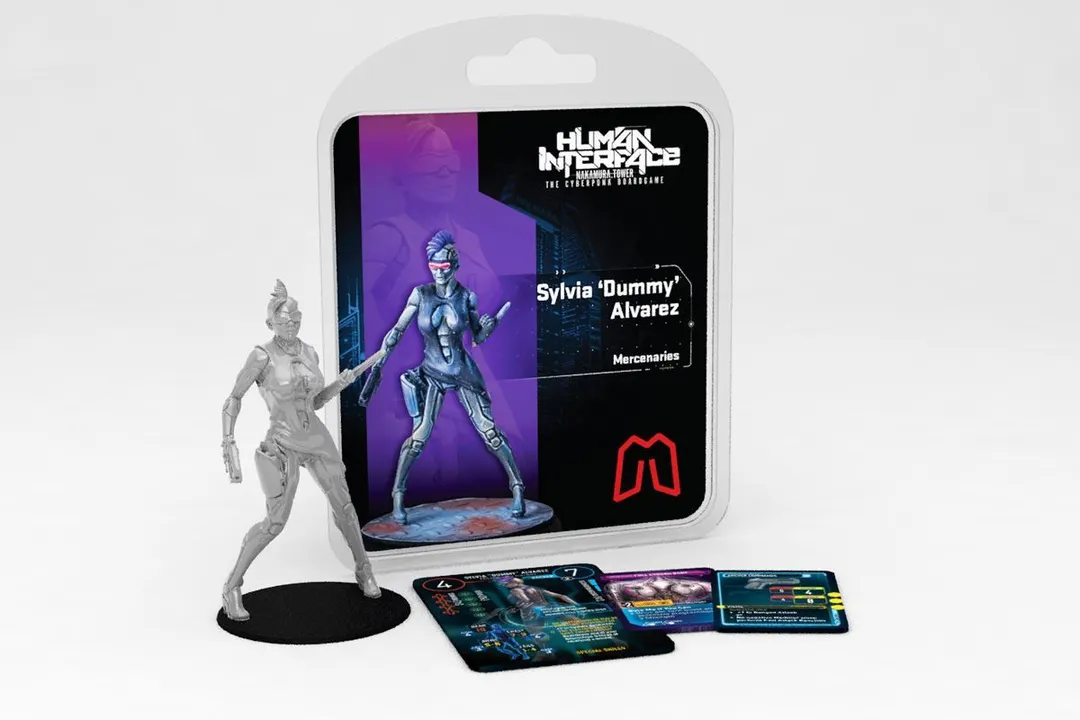



Human Interface: Nakamura Tower (HINT) is a board game that is a unique combination of many elements known from tactical and skirmish games, RPGs and board games. The game is based on a struggle between two powerful megacorporations that takes place in the title tower. HINT is designed for 2+ people but through different scenarios can be played alone, in cooperation or against other players. The story happens in the near future when the world is dominated by new technologies. In HINT you will lead a team of selected professionals of a given faction. Each of them has unique skills and abilities, each one can be given weapons and other equipment, be enhanced genetically or cybernetically. All characteristics and modifiers are presented on special character and equipment cards (you don’t need to constantly flick through the rulebook). Each character card has a limited amount of slots that can be filled with equipment and modifications. The player can purchase additional equipment to replace the current item depending on the “group’s assets”. You may like your heroes or hate them but they will no longer be just anonymous pawns. The game is played on a board showing the interior of the Nakamura corporate tower that is under attack by its rivals. The characters are moved using spaces on the board. This eliminates the need to measure distance when moving and fighting thus quickening the pace of the game and allowing to avoid misunderstandings. Each space presents a specific tactical situation that influences the characters placed on it. Game mechanics are fairly easy as we wanted to achieve a perfect balance between a fun game and rules that enable a lot of tactical possibilities. The basic rules are easy to learn but the possibilities of their use grow significantly in combination with the characters’ skills and capabilities of equipment. The characters are defined by their basic physical and mental abilities and modifiers, which make it easier or more difficult to perform some tasks, that make them unique. These modifiers result from their skills, special training or cyberations and other equipment. The rules do not use any dice and the testing mechanics are based on cards that we call CanDo. The description on the card, its value and colour influence the final result of the test. The numerical value also states the location of a hit and additional effects connected to it.
Human Interface: Nakamura Tower supports 2–6 players according to the catalogue. This range comes from the publisher’s listed player count, so the game can be set up for any group size within it. Some setups, rules and scoring details may still vary by player count, so check your edition’s rulebook for the exact configuration.
The listed playing time for Human Interface: Nakamura Tower is 60–180 minutes. This is the publisher’s estimate for a full game. The actual duration depends on the group, the player count and familiarity with the rules: first sessions usually run longer, while experienced groups often finish faster. Setup and teaching time are not included in this estimate.
The catalogue lists Human Interface: Nakamura Tower for ages 12 and up. This is the publisher’s recommendation and reflects reading demands, rule complexity and small components rather than theme alone. Younger players can often join with help from an adult, so check the age guidance on your edition and consider your group’s experience with board games.
Human Interface: Nakamura Tower has a complexity rating of 3.7 out of 5 from BoardGameGeek players, which makes it a medium-weight game. The rating reflects how much rules knowledge, planning and decision-making a typical game demands. Expect a longer first teach for heavier games, and use a preparation guide before game night.
Human Interface: Nakamura Tower belongs to these categories: Wargame and Science Fiction. Its main mechanics are Hand Management, Area Movement, and Point to Point Movement. Categories describe the theme and setting of a game, while mechanics describe what players actually do on their turns. Each mechanic links to a catalogue hub with similar games, which helps when you want something comparable.
The credited designers of Human Interface: Nakamura Tower are: Rafał Bagiński. These credits come from the published game data and name the people responsible for the game’s design, not its illustrators or publishers. Designer pages on MeepleRules collect other titles by the same designers, which helps when you enjoy a game and want to find similar ones.
The catalogue lists Human Interface: Nakamura Tower as a base game. It can be played on its own with the components in the box and does not require any other title. Expansions, if any exist, add new content or rules on top of it and are listed separately in the catalogue with a link back to this base game.