
- BGG rank
- BGG #8,918
- BGG rating
- 8.0
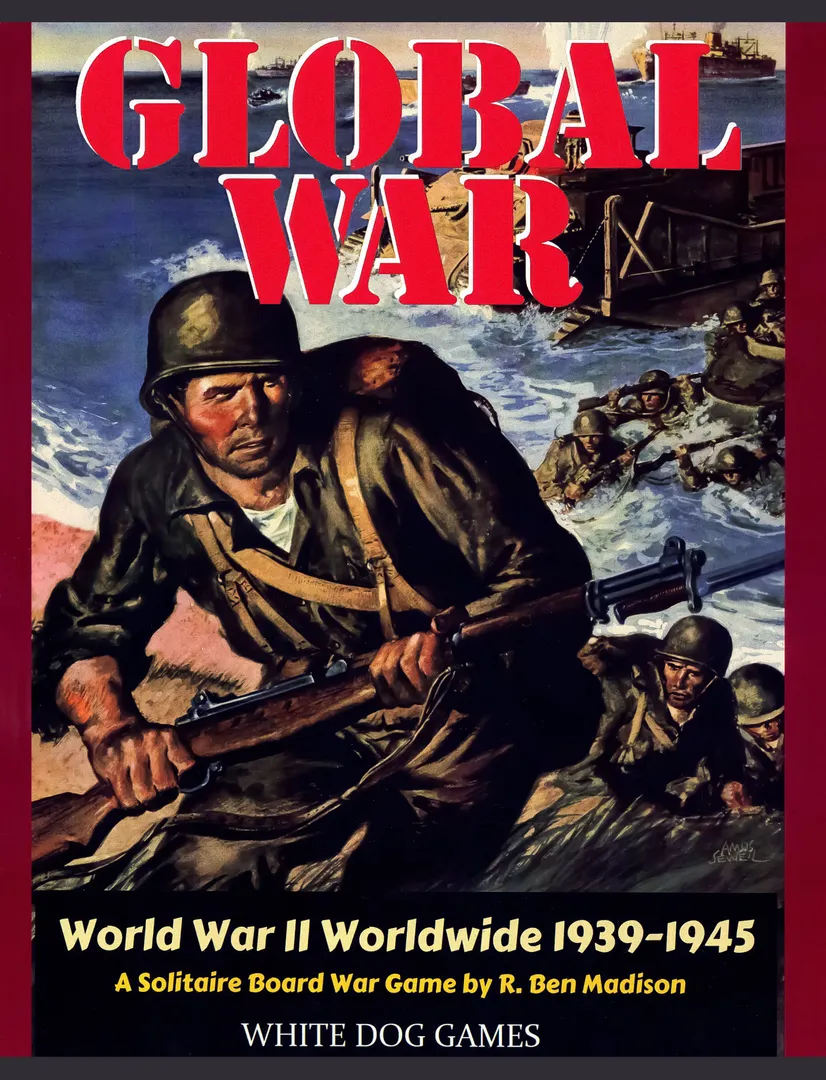
Global War: World War II Worldwide 1939-1945
- 1 player
- 45–180 min
- Complexity 3.5/5
- 2023
2022
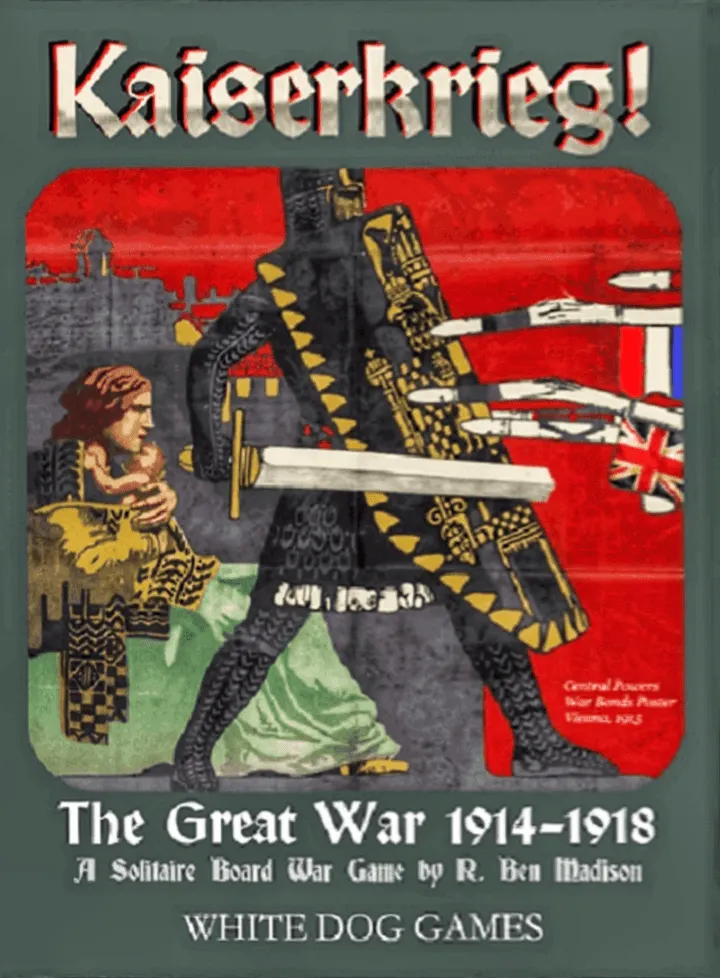
Rules assistance for Kaiserkrieg! The Great War 1914-1918
Plain-language explanations of turns, card effects and disputed situations, with official source references and saved question history.
For 1 player
What would you like to know?
Answers come from the official rulebook, with the page to check.
Kaiserkrieg! The Great War 1914-1918 is a board game released in 2022 for 1 player, 60–120 minutes per game, and ages 14 and up. It was designed by Ben Madison and its main mechanics are Events, Solo / Solitaire Game, and Action Points.
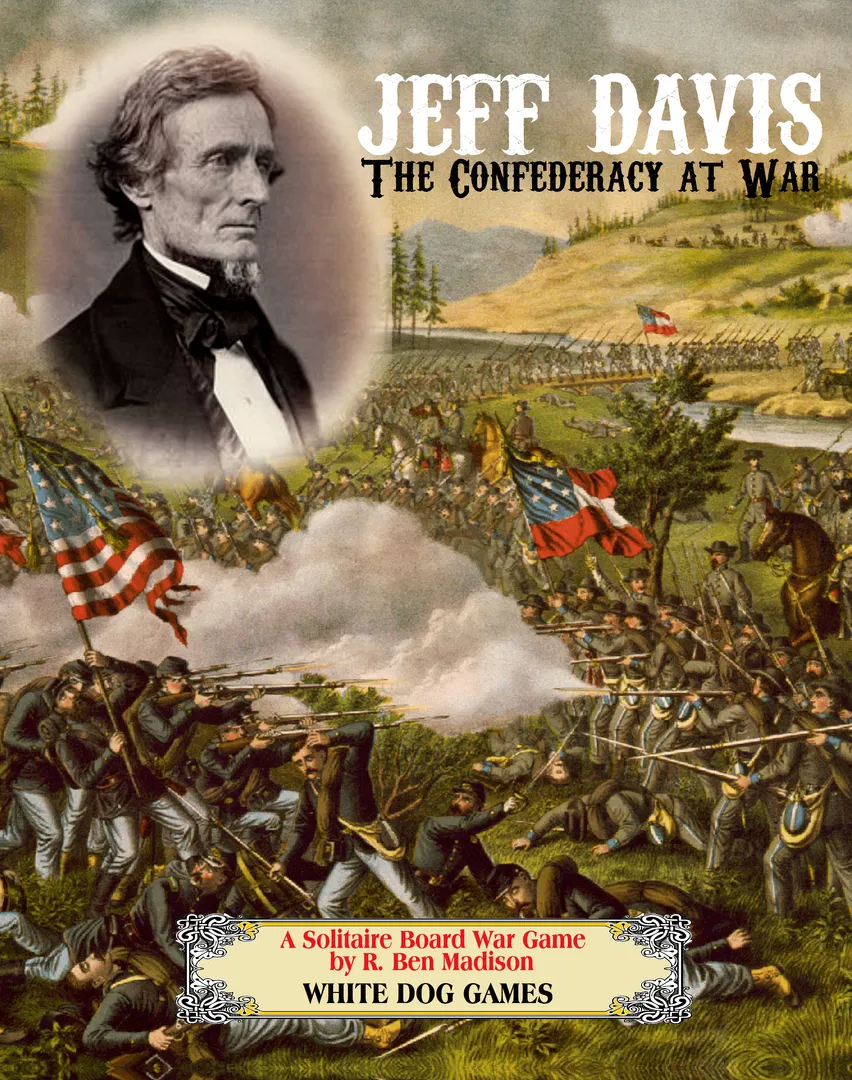
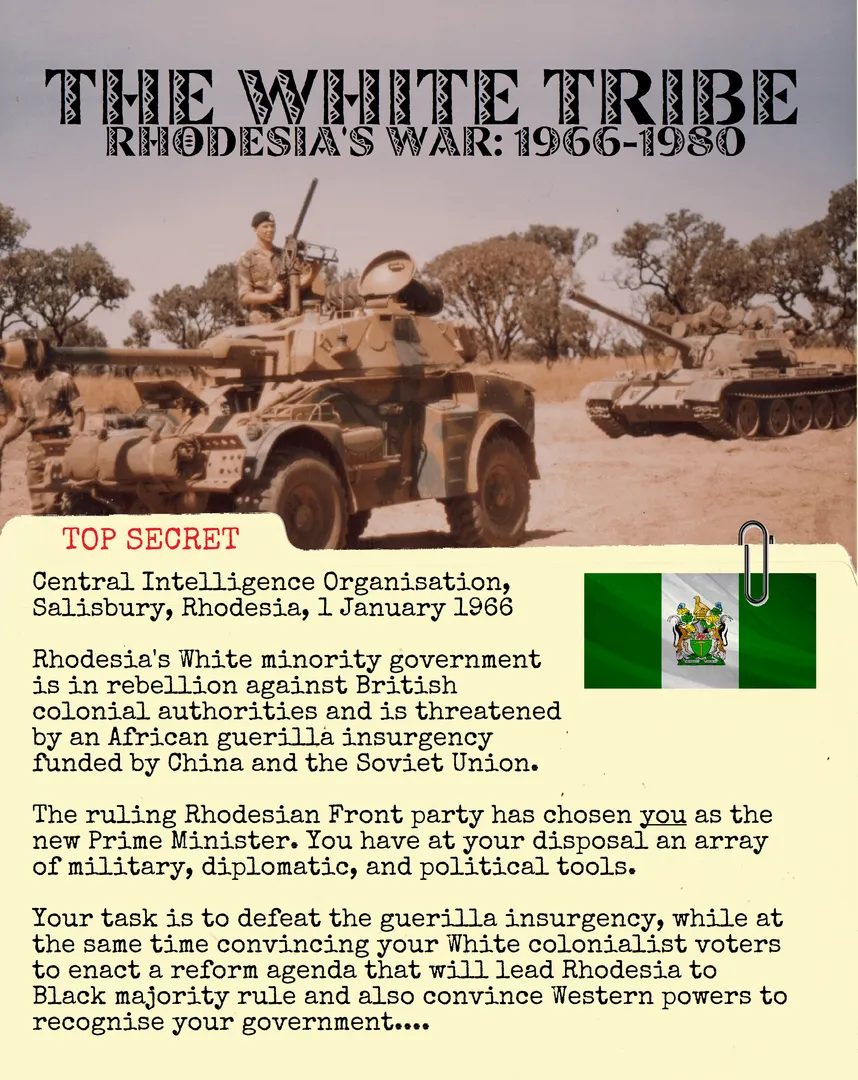
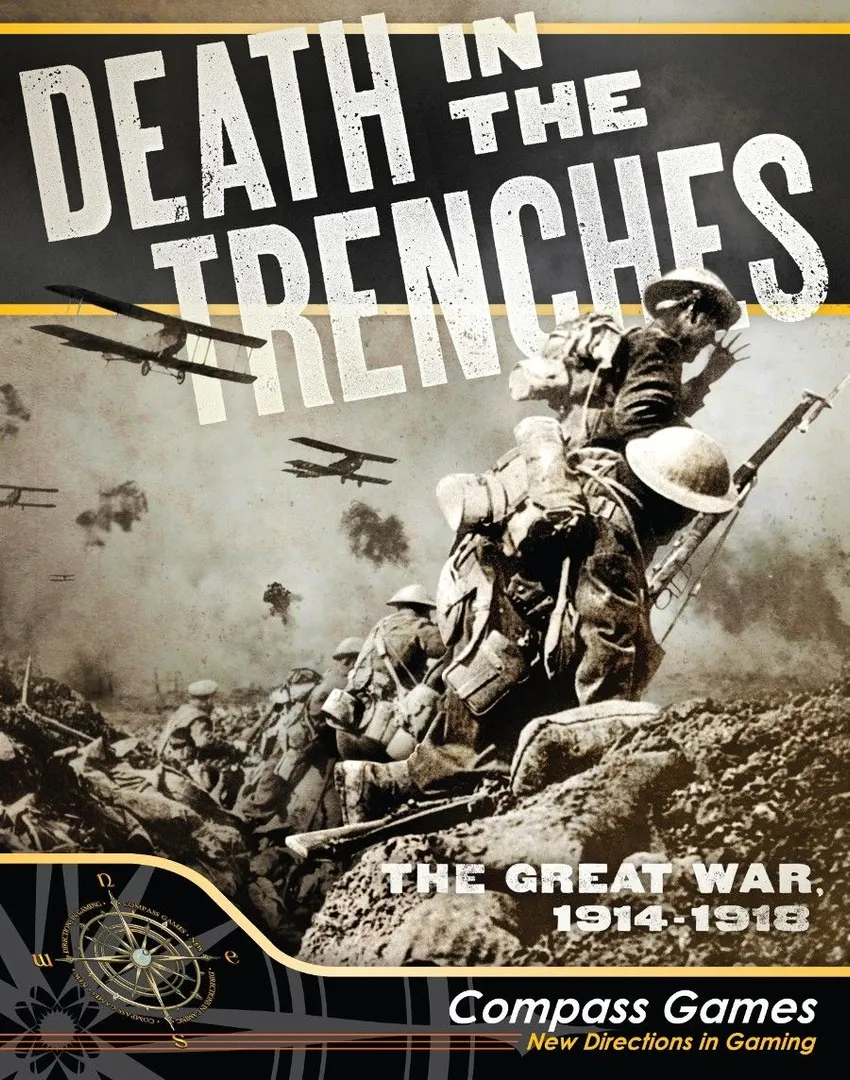
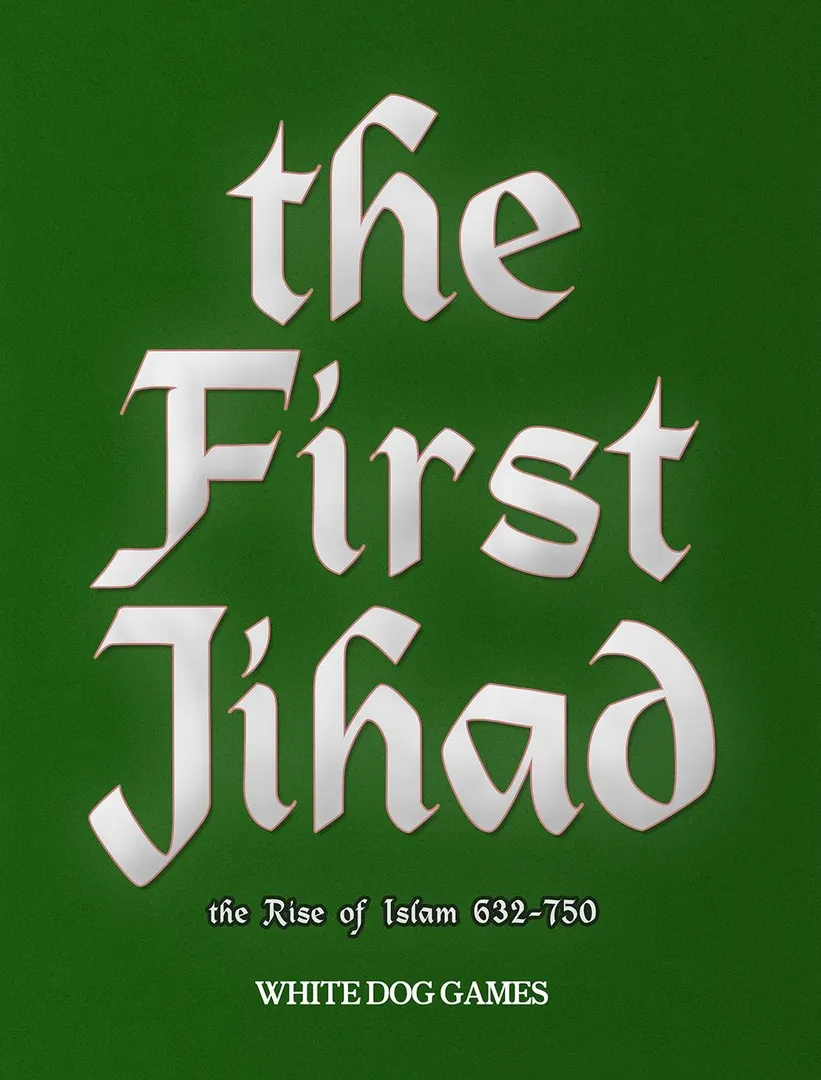
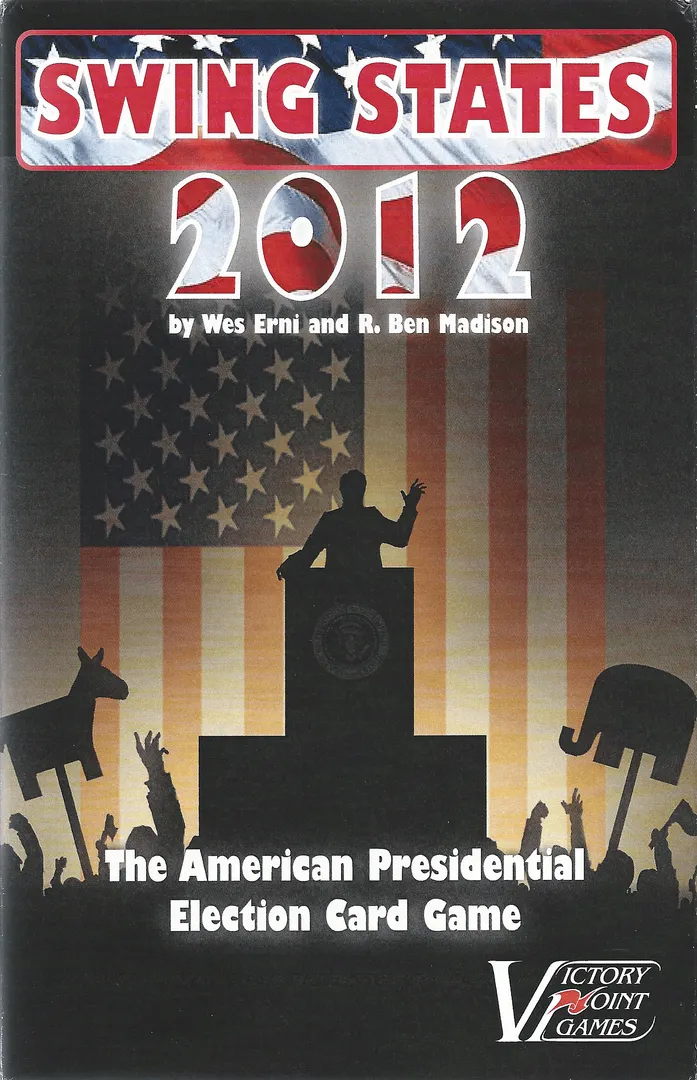
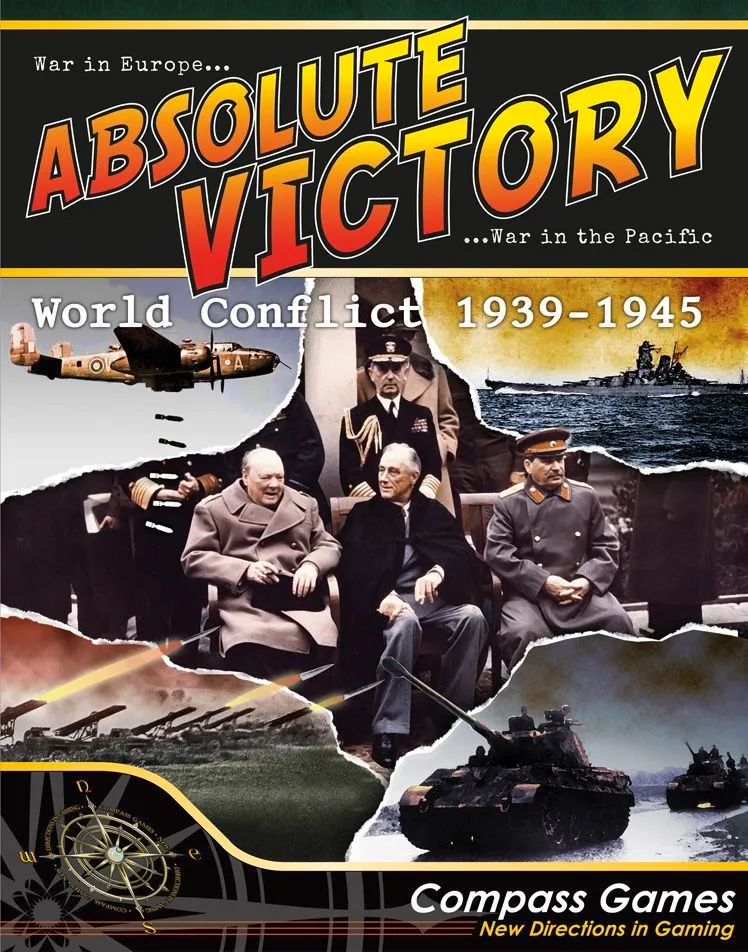
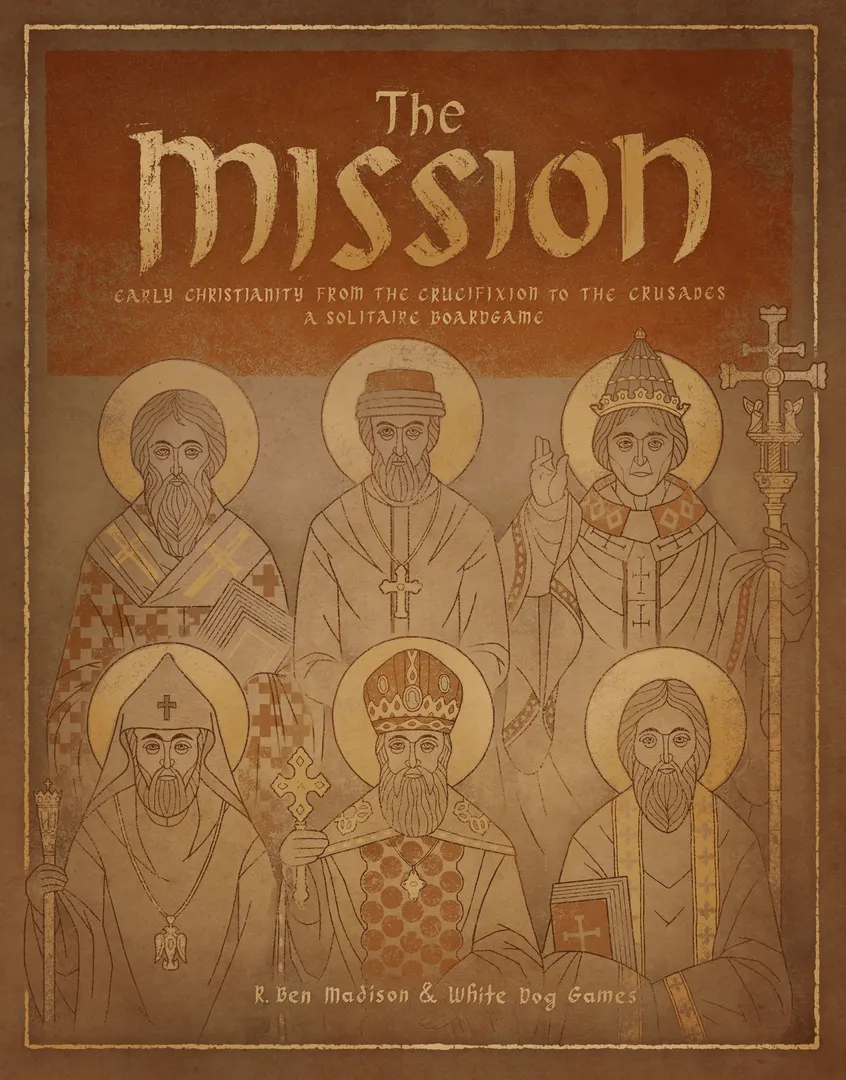
Kaiserkrieg! (‘Emperor’s War’) is a Strategic level Solitaire wargame of the First World War of 1914-1918. As the player, you control the Central Powers (“CP”; Germany, AustriaHungary, Turkey and Bulgaria). The game’s automatic systems direct the efforts of the Entente Powers (“EP”; France, Britain, Russia, Italy, Serbia, the United States, and their minor allies) who are trying to defeat you. As in many of my games, you play the “bad guys.” For simplicity’s sake, Imperial Germany and its main ally, the Austro-Hungarian Empire, are usually treated as one political entity in the game. The flags on the “City” Tiles are for decoration. In contrast to my other games, space precludes the addition of many historical notes in this rulebook. If you run across a name or historical reference that is new to you, Google is your friend! The heart of the game is its depiction of the ground war, which saw the battlefield deaths of some ten million soldiers. Kaiserkrieg’s treatment can be traced back to Darin Leviloff’s inspired Israeli Independence (2008) and the “States of Siege” system it started. The evolutionary leap in Kaiserkrieg! is the shift from the old ‘horizontal’ States of Siege model – where enemy forces converge on your central position along clearly defined lines of advance – to a new ‘vertical’ model where enemy forces mass in separate regions around you, to eventually achieve an advantage in size that threatens your overall position. This adaptation allows Leviloff’s original concept to more closely simulate the trench warfare realities of World War I on the continental level. The game also depicts the epic naval struggle of proGerman blockade runners trying to evade fleets of British cruisers. Many historians identify the failure to outwit the British naval blockade as the main reason for Germany’s defeat in the war. The ‘sideshow’ war in the Near East, where Germany’s Ottoman Turkish ally was assailed by Russia and the British Empire – including a massive army of Indian troops – is played with a simplified version of the game system (12.0). This theater also includes East Africa, where a German-led Black African army (the Askari) held out against Indian and British Empire forces even after the Germans in Europe had surrendered! The game is an extremely strategic view of the conflict. Points are dramatically simplified to make it playable and to emphasize the “cool stuff” of World War I, like Zeppelins, trenches, and U-boats. Kaiserkrieg! is not a detailed historical simulation, but a fun and challenging game covering the salient themes of the actual conflict while whetting the player’s appetite for more detailed treatments of this fascinating war. —description from the publisher
Kaiserkrieg! The Great War 1914-1918 supports 1 player according to the catalogue. This is the publisher’s listed player count, so the game is designed for exactly that number of participants. Variants for other group sizes, if any, are described in the rulebook of your edition, so check it before setting up a different configuration.
The listed playing time for Kaiserkrieg! The Great War 1914-1918 is 60–120 minutes. This is the publisher’s estimate for a full game. The actual duration depends on the group, the player count and familiarity with the rules: first sessions usually run longer, while experienced groups often finish faster. Setup and teaching time are not included in this estimate.
The catalogue lists Kaiserkrieg! The Great War 1914-1918 for ages 14 and up. This is the publisher’s recommendation and reflects reading demands, rule complexity and small components rather than theme alone. Younger players can often join with help from an adult, so check the age guidance on your edition and consider your group’s experience with board games.
Kaiserkrieg! The Great War 1914-1918 has a complexity rating of 3.2 out of 5 from BoardGameGeek players, which makes it a medium-weight game. The rating reflects how much rules knowledge, planning and decision-making a typical game demands. Expect a longer first teach for heavier games, and use a preparation guide before game night.
Kaiserkrieg! The Great War 1914-1918 belongs to these categories: Wargame, Print & Play, and World War I. Its main mechanics are Events, Solo / Solitaire Game, and Action Points. Categories describe the theme and setting of a game, while mechanics describe what players actually do on their turns. Each mechanic links to a catalogue hub with similar games, which helps when you want something comparable.
The credited designers of Kaiserkrieg! The Great War 1914-1918 are: Ben Madison. These credits come from the published game data and name the people responsible for the game’s design, not its illustrators or publishers. Designer pages on MeepleRules collect other titles by the same designers, which helps when you enjoy a game and want to find similar ones.
The catalogue lists Kaiserkrieg! The Great War 1914-1918 as a base game. It can be played on its own with the components in the box and does not require any other title. Expansions, if any exist, add new content or rules on top of it and are listed separately in the catalogue with a link back to this base game.