
- BGG rank
- BGG #11,955
- BGG rating
- 7.8
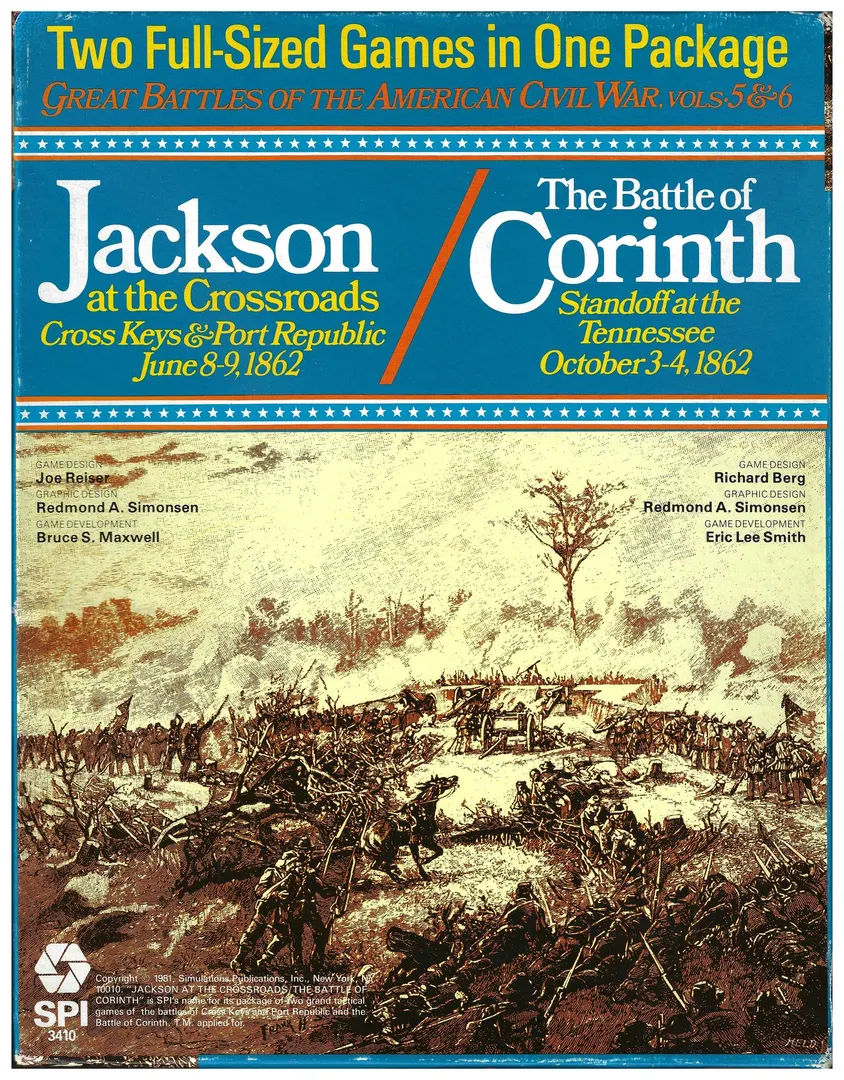
The Battle of Corinth: Standoff at the Tennessee, October 3-4, 1862
- 2 players
- 240 min
- Complexity 3.3/5
- 1981

1995
Rules assistance for The Three Days of Gettysburg
Plain-language explanations of turns, card effects and disputed situations, with official source references and saved question history.
What would you like to know?
Answers come from the official rulebook, with the page to check.
The Three Days of Gettysburg is a board game released in 1995 for 2–8 players, 420 minutes per game, and ages 12 and up. It was designed by Richard H. Berg and its main mechanics are Dice Rolling, Grid Movement, and Hexagon Grid.




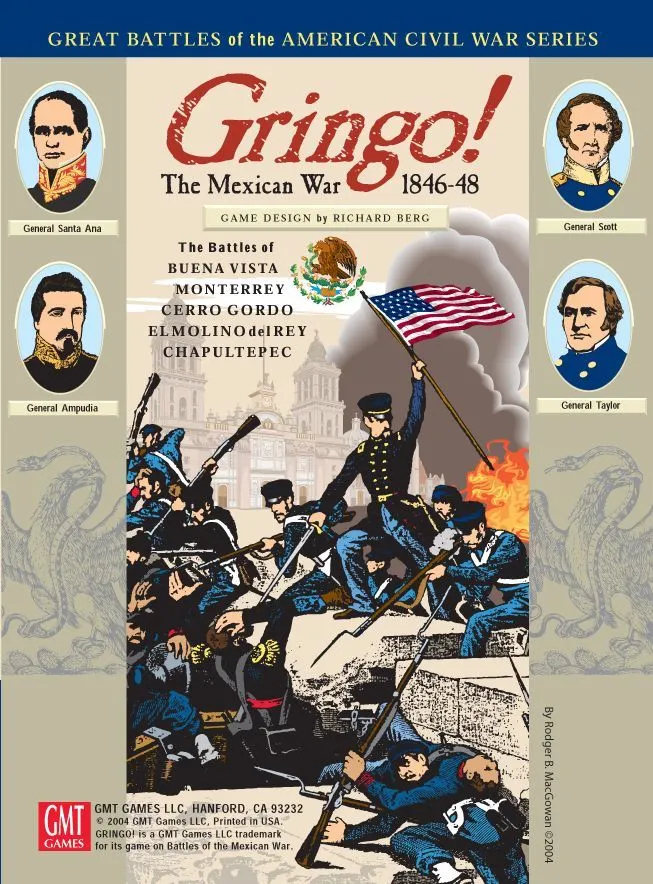
The Three Days of Gettysburg is a totally new look at the battle, a view that brings players even closer to the action, even more deeply into the decisions that make Gettysburg one of the most playable of all battle games. The Three Days of Gettysburg is portrayed at a regimental level, and it contains all of the individual unit information you need to fîght the battle: weapon type, individual Cohesion (Morale) Ratings, and a four-level command hierarchy, from brigadiers to Commanding Generais Lee and Meade. But The Three Days of Gettysburg provides even more: an attention to detail balanced by an elegant, ease of play. The Three Days of Gettysburg may be a monster in size - three spectacular maps and over 1600 beautiful counters - but it sti11 plays like an old, comfortable favorite. Game Features and Contents: 1680, multi-colored counters. Three full-color 22x34 inch mapsheets A revised Command System, using Maximum Effectiveness to portray the strengths and viscitudes of battlefield command. Seven scenarios, from microcosm one-mappers to the full three-day battle. Brigadiers rated with Action Profiles so that, when on their own, you may never know exactly what they’ll do! Will an aggressive Dick Garnett recklessly charge everyone in sight, seeking to regain his lost honor; will a cautious Stannard sit and watch, or will an unreliable Iverson hit the bottlc instead of the front line? Artillery Barrage, simplified Ammo rules, spécial rules for Green units, and an optional Fatigue Rule that really places an emphasis on careful unit usage. A remarkably simple Shock Table that features Continuous Attack - you can roll up the enemy’s flank in one massive charge. Time Scale: 20 minutes per turn Map Scale: 125 yards per hex Unit Scale: 50 men per strength point Players: One-to-Six (from the back of the box) This is the first game in the Great Battles of the American Civil War Series from GMT. Using an innovative initiative and activation system the game unfolds across the fields of southern Pennsylvania. Units are regiments and individual artillery batteries. Several scenarios and the replay of the entire battle will provide hours of game play. (BGG user's description)
The Three Days of Gettysburg supports 2–8 players according to the catalogue. This range comes from the publisher’s listed player count, so the game can be set up for any group size within it. Some setups, rules and scoring details may still vary by player count, so check your edition’s rulebook for the exact configuration.
The listed playing time for The Three Days of Gettysburg is 420 minutes. This is the publisher’s estimate for a full game. The actual duration depends on the group, the player count and familiarity with the rules: first sessions usually run longer, while experienced groups often finish faster. Setup and teaching time are not included in this estimate.
The catalogue lists The Three Days of Gettysburg for ages 12 and up. This is the publisher’s recommendation and reflects reading demands, rule complexity and small components rather than theme alone. Younger players can often join with help from an adult, so check the age guidance on your edition and consider your group’s experience with board games.
The Three Days of Gettysburg has a complexity rating of 4.2 out of 5 from BoardGameGeek players, which makes it a heavy game. The rating reflects how much rules knowledge, planning and decision-making a typical game demands. Expect a longer first teach for heavier games, and use a preparation guide before game night.
The Three Days of Gettysburg belongs to these categories: Wargame, Post-Napoleonic, and American Civil War. Its main mechanics are Dice Rolling, Grid Movement, and Hexagon Grid. Categories describe the theme and setting of a game, while mechanics describe what players actually do on their turns. Each mechanic links to a catalogue hub with similar games, which helps when you want something comparable.
The credited designers of The Three Days of Gettysburg are: Richard H. Berg. These credits come from the published game data and name the people responsible for the game’s design, not its illustrators or publishers. Designer pages on MeepleRules collect other titles by the same designers, which helps when you enjoy a game and want to find similar ones.
The catalogue lists The Three Days of Gettysburg as a base game. It can be played on its own with the components in the box and does not require any other title. Expansions, if any exist, add new content or rules on top of it and are listed separately in the catalogue with a link back to this base game.