- Puntuación BGG
- 7,8
Great War at Sea: Confederate States Navy
- 1–2 jugadores
- 30 min
- 2010
2006
Ayuda con las reglas de Great War at Sea: U.S. Navy Plan Gold
Explicaciones claras de turnos, efectos de cartas y situaciones dudosas, con referencias a fuentes oficiales e historial de preguntas guardado.
Para 1 jugador
¿Qué quieres saber?
Las respuestas salen del reglamento oficial, con la página para comprobarlo.
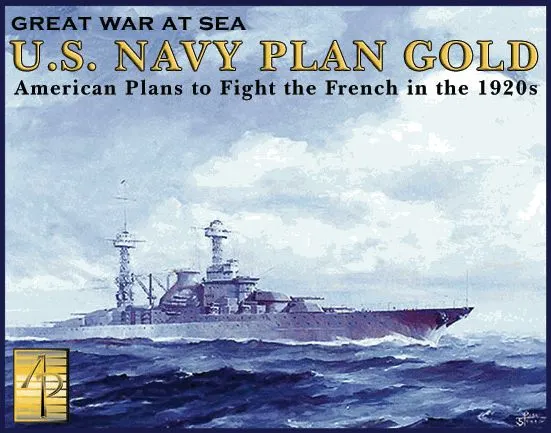
Great War at Sea: U.S. Navy Plan Gold es un juego de mesa publicado en 2006 para 1–2 jugadores, con partidas de 30 minutos y a partir de 12 años. Fue diseñado por Michael Bennighof y Doug McNair y sus mecánicas principales son Secret Unit Deployment, Hexagon Grid y Simulation.



En inglés
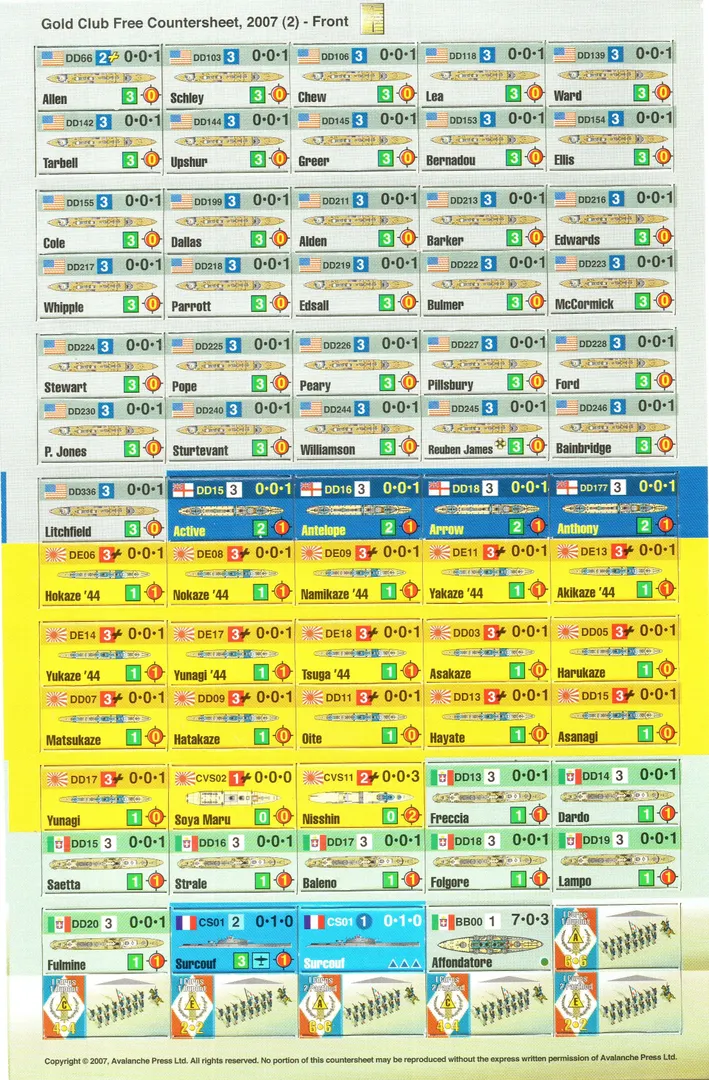
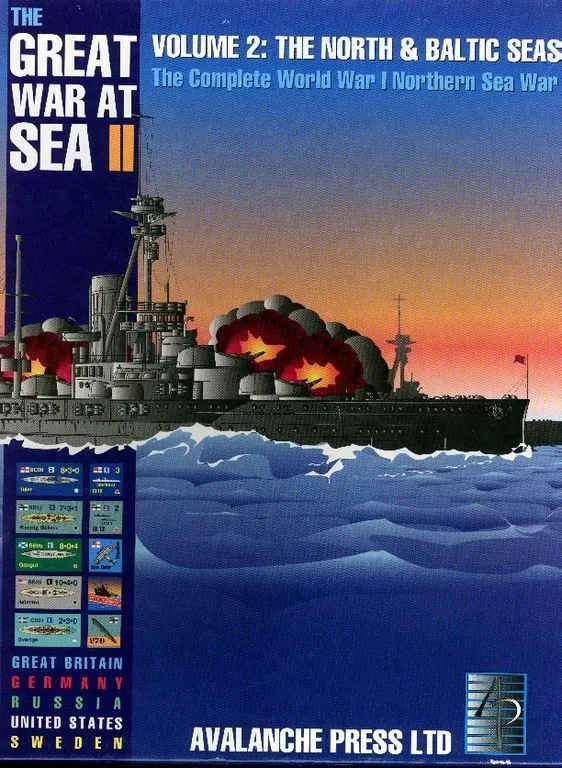
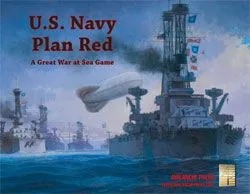
Great War at Sea series. From "Avalanche Press" Website: During the early decades of the Twentieth Century, the United States Navy made plans to fight a host of potential enemies. Some of these future wars seemed inevitable, particularly that with Japan. Others depended on changes in current politics, but Navy planners wanted to be prepared just in case. One of these plans, labeled “Gold,” studied a potential naval war with France. The United States had stood alongside its “oldest ally” during the First World War, but in the years immediately afterwards the Navy looked at the potential for radical politicians to change France from friend to foe. Also, the peace negotiations which followed the war revealed deep underlying tensions between the Americans and their European allies; some of the more paranoid came to believe the next war would be between Europe and America. U.S. Navy Plan Gold is based on these plans. American officers believed the seat of conflict would be the same as that of the undeclared naval war against France in the 1790s: the Caribbean Basin. U.S. Navy Plan Gold includes the ships projected by the Armee Navale but never built due to the Washington Naval Treaty: the large Gilles and Durand-Viel battle cruisers, Normandie and Lyon class battleships, and the very odd “croiseur de combat” battleship/carrier design. And of course the Americans receive a number of new ships, such as the “alternate Omaha” large scout cruiser design.
Según el catálogo, Great War at Sea: U.S. Navy Plan Gold admite de 1 a 2 jugadores. Este intervalo corresponde al número de jugadores indicado por la editorial, así que el juego puede prepararse para cualquier grupo dentro de ese margen. La preparación, algunas reglas y la puntuación pueden variar según el número de jugadores; consulta la configuración exacta en el reglamento de tu edición.
La duración indicada para Great War at Sea: U.S. Navy Plan Gold es de 30 minutos, la estimación de la editorial para una partida completa. El tiempo real depende del grupo, del número de jugadores y del conocimiento de las reglas: las primeras partidas suelen alargarse y los grupos con experiencia terminan antes. La preparación y la explicación de las reglas no están incluidas.
El catálogo indica Great War at Sea: U.S. Navy Plan Gold a partir de 12 años. Es la recomendación de la editorial y refleja la lectura necesaria, la complejidad de las reglas y las piezas pequeñas, no solo el tema. Los más pequeños a menudo pueden jugar con ayuda de un adulto: comprueba la edad recomendada en tu edición y la experiencia de tu grupo.
Great War at Sea: U.S. Navy Plan Gold tiene una puntuación de complejidad de 2,8 sobre 5 según los jugadores de BoardGameGeek, lo que lo convierte en un juego algo ligero. La puntuación refleja cuánto conocimiento de reglas, planificación y toma de decisiones exige una partida típica. Los juegos exigentes requieren una explicación inicial más larga, así que conviene usar una guía de preparación.
Great War at Sea: U.S. Navy Plan Gold pertenece a estas categorías: Fighting, Wargame y Nautical. Sus mecánicas principales son Secret Unit Deployment, Hexagon Grid y Simulation. Las categorías describen el tema y la ambientación de un juego, mientras que las mecánicas describen lo que los jugadores hacen realmente en su turno. Cada mecánica lleva a una página del catálogo con juegos similares.
Los autores acreditados de Great War at Sea: U.S. Navy Plan Gold son: Michael Bennighof y Doug McNair. Estos créditos proceden de los datos publicados del juego y nombran a las personas responsables de su diseño, no a ilustradores ni editoriales. Las páginas de autor de MeepleRules reúnen otros títulos de los mismos autores, algo útil cuando un juego te gusta y buscas otros parecidos.
El catálogo clasifica Great War at Sea: U.S. Navy Plan Gold como juego base. Se juega por sí solo con los componentes de la caja y no requiere ningún otro título. Las expansiones, si existen, añaden contenido o reglas nuevas y aparecen por separado en el catálogo con un enlace a este juego base.