

- BGG rank
- BGG #22,775
- BGG rating
- 6.2
Reconquista! The Struggle for Iberia, 850-1250 AD
- 1–3 players
- 240 min
- Complexity 2.8/5
- 2013
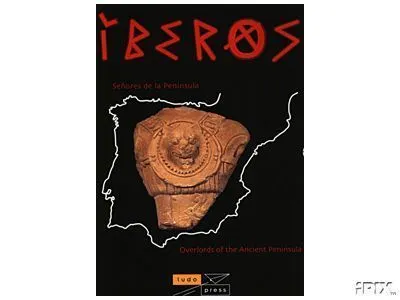
2002
Rules assistance for Iberos: Overlords of the Ancient Peninsula
Plain-language explanations of turns, card effects and disputed situations, with official source references and saved question history.
For 2 players
What would you like to know?
Answers come from the official rulebook, with the page to check.
Iberos: Overlords of the Ancient Peninsula is a board game released in 2002 for 2 players, 120–600 minutes per game, and ages 12 and up. It was designed by Javier Romero and its main mechanics are Variable Player Powers, Area Movement, and Action Points.

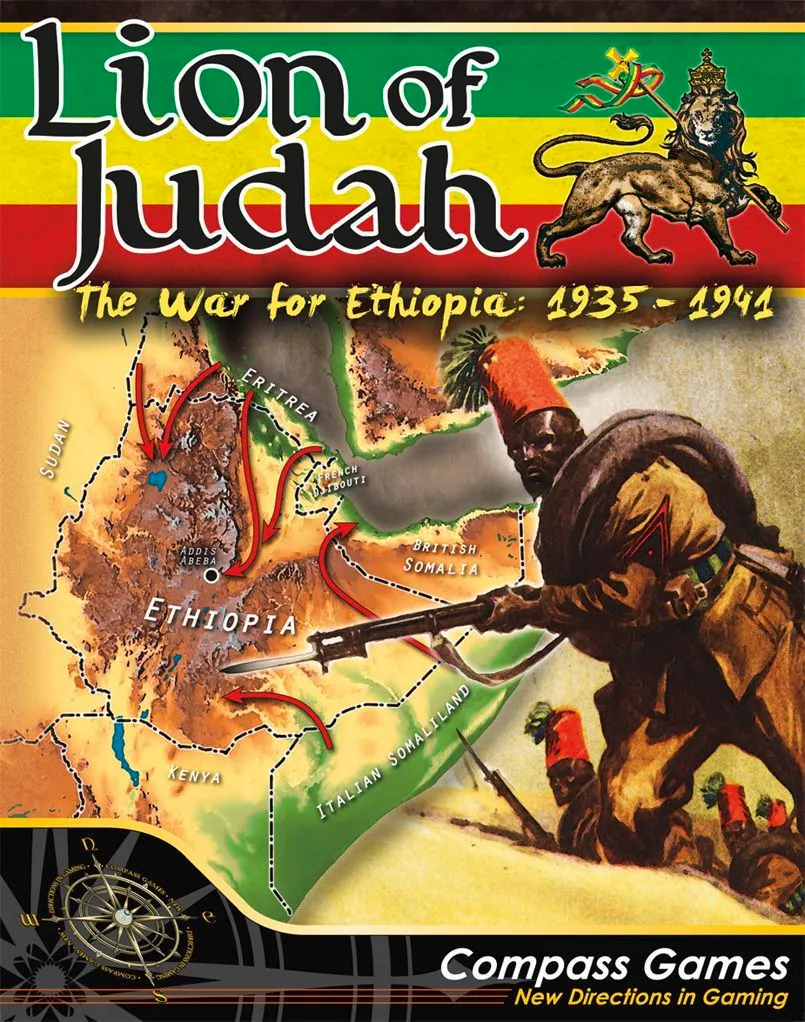

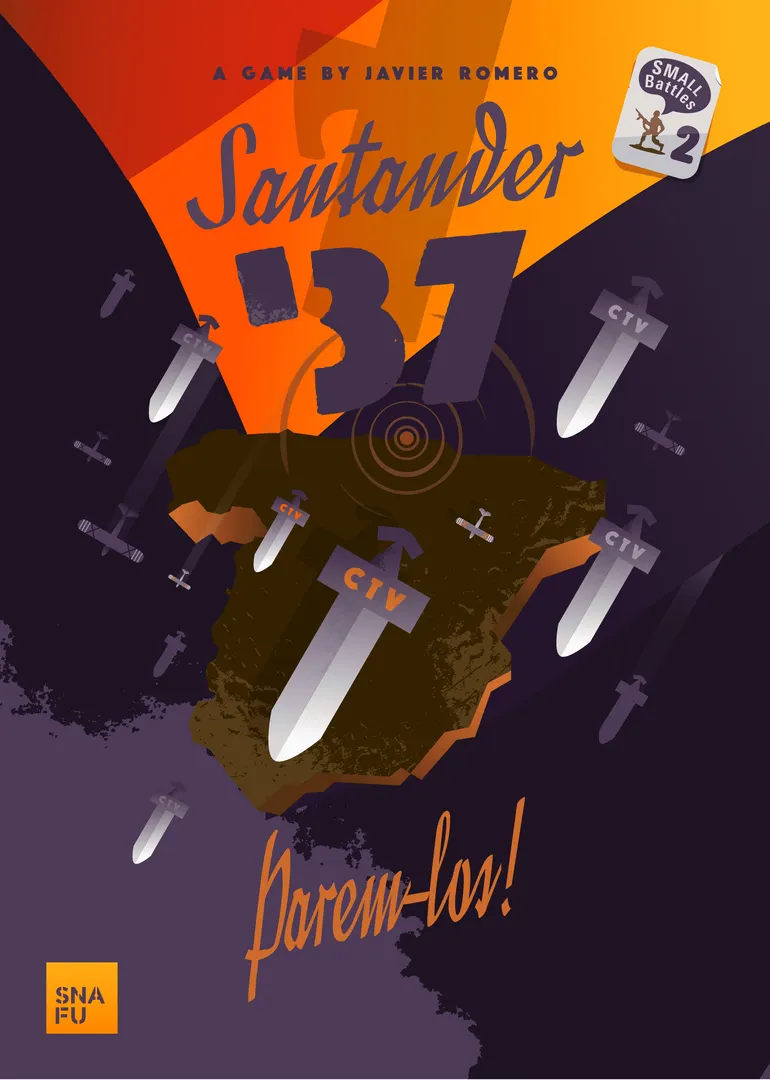
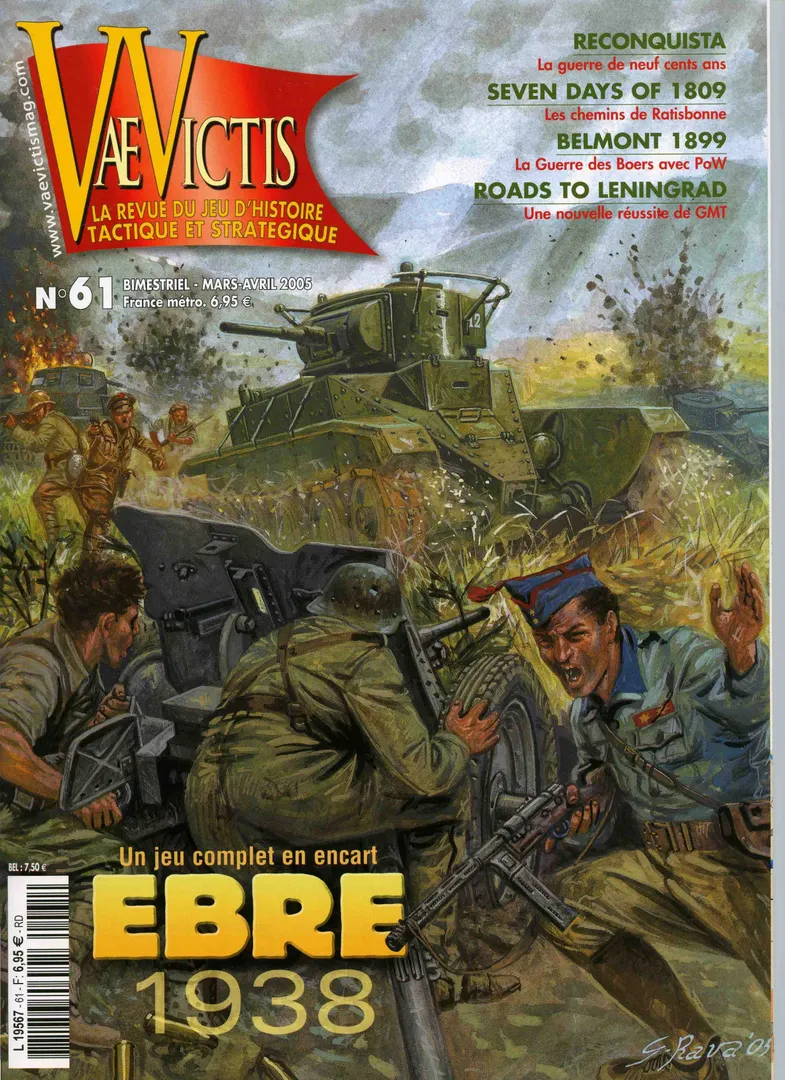



Extracted from consimworld.com: IBEROS is an operational simulation of low to medium complexity of warfare in the Ancient Peninsula. It is packaged in a slipcase box that includes one 60 x 52 cm map, 240 full-color die cut counters, one standard and scenario rules booklet, one historical commentary booklet, and two player aid cards. Game turns are one year each: after collecting silver and/or receiving it from Rome, you can pay your troops, recruit tribal levies, and perform other administrative functions. After that comes the Operations Phase. During it, each force (one or more Field Armies, Tribal Levies, etc) can perform certain operations, using Operation Points (OP). These actions include combat, diplomacy (you can try to control any area through diplomacy), besiege cities, pillage, recruit mercenaries, or build colonies. At the end of the Operations Phase, forces retire to winter quarters. The most outstanding features of the game are the Prestige Point Level and the differences between Regular and Irregular warfare. The Prestige Level (PP) simulates the prestige of the civilized armies (Punic, Romans, Sertorians) among the Iberian tribes, and the tendency of the latter to switch to the side that seems to be winning... Certain results of the CRTs add or decrease the PP level of each side. Then, if your PP level is above 2, you have positive die roll modifiers on the Diplomacy Table. And vice versa if your PP level is 0 or lower. Leaders play a key role since their modifiers are applied to retreat before combat, diplomacy, all kinds of combat, operations, interception, etc. Leaders are rated for Military and Diplomatic skills (The highest is Sertorius, with +3 +3). Roman leaders (Praetors, one each for Hispania Citerior and Hispania Ulterior) are changed randomly each year when they're elected by the Senate of Rome. If you have quality leaders, your chances of avoid/provoke combat are higher, and vice versa. The irregular, "hit and run" tactics of the inhabitants of the peninsula characterized the Roman conquest and were the cause why the Romans took 200 years to completely control all of Hispania. All combat units have Regular and Irregular Combat factors. The attacker can always choose which CRT he is going to use. The idea here was to simulate the asymmetrical war fought out between the Roman/Punic invaders and the native peoples. If you can impose your style of fighting, (the other can not avoid combat) then you have the edge over the enemy. The game is played in scenarios. There are 9, from the Punic reconquest of Iberia (237-221 BCE) to the Cantabria campaigns of Caesar Augustus (24-19 BCE). There are a set of common rules for all the scenarios, plus specific rules for each scenario. There are fast playing scenarios (such as the Roman Civil War, or the Cantabrian wars) that can be played in two-three hours, and other that take 6-10 hour of play (up to 17 turns, such as Cato's campaign of 195 BCE, or the II Lusitanian War). Each scenario has its own Random Events Table. Some of the Random Events included are: plague, Excellent/Bad Crops, Tribal Rebellions galore, bribing enemy mercenaries, Numidian rebellion (for the II Punic War scenario), Alliance with Mithridates (Sertorius War scenario), and more. Optional rules include assassination of enemy leaders (you must spend Operations Points and Treasury Points for that), Rivalry between Iberian tribes (The Romans took advantage of this to apply the "divide and conquer" routine), Mountain redoubts (Mons Vidius, Mons Medulius...), or troop upgrade.
Iberos: Overlords of the Ancient Peninsula supports 2 players according to the catalogue. This is the publisher’s listed player count, so the game is designed for exactly that number of participants. Variants for other group sizes, if any, are described in the rulebook of your edition, so check it before setting up a different configuration.
The listed playing time for Iberos: Overlords of the Ancient Peninsula is 120–600 minutes. This is the publisher’s estimate for a full game. The actual duration depends on the group, the player count and familiarity with the rules: first sessions usually run longer, while experienced groups often finish faster. Setup and teaching time are not included in this estimate.
The catalogue lists Iberos: Overlords of the Ancient Peninsula for ages 12 and up. This is the publisher’s recommendation and reflects reading demands, rule complexity and small components rather than theme alone. Younger players can often join with help from an adult, so check the age guidance on your edition and consider your group’s experience with board games.
Iberos: Overlords of the Ancient Peninsula has a complexity rating of 2.9 out of 5 from BoardGameGeek players, which makes it a medium-light game. The rating reflects how much rules knowledge, planning and decision-making a typical game demands. Expect a longer first teach for heavier games, and use a preparation guide before game night.
Iberos: Overlords of the Ancient Peninsula belongs to these categories: Economic, Wargame, and Political. Its main mechanics are Variable Player Powers, Area Movement, and Action Points. Categories describe the theme and setting of a game, while mechanics describe what players actually do on their turns. Each mechanic links to a catalogue hub with similar games, which helps when you want something comparable.
The credited designers of Iberos: Overlords of the Ancient Peninsula are: Javier Romero. These credits come from the published game data and name the people responsible for the game’s design, not its illustrators or publishers. Designer pages on MeepleRules collect other titles by the same designers, which helps when you enjoy a game and want to find similar ones.
The catalogue lists Iberos: Overlords of the Ancient Peninsula as a base game. It can be played on its own with the components in the box and does not require any other title. Expansions, if any exist, add new content or rules on top of it and are listed separately in the catalogue with a link back to this base game.