
- BGG rank
- BGG #14,044
- BGG rating
- 7.3
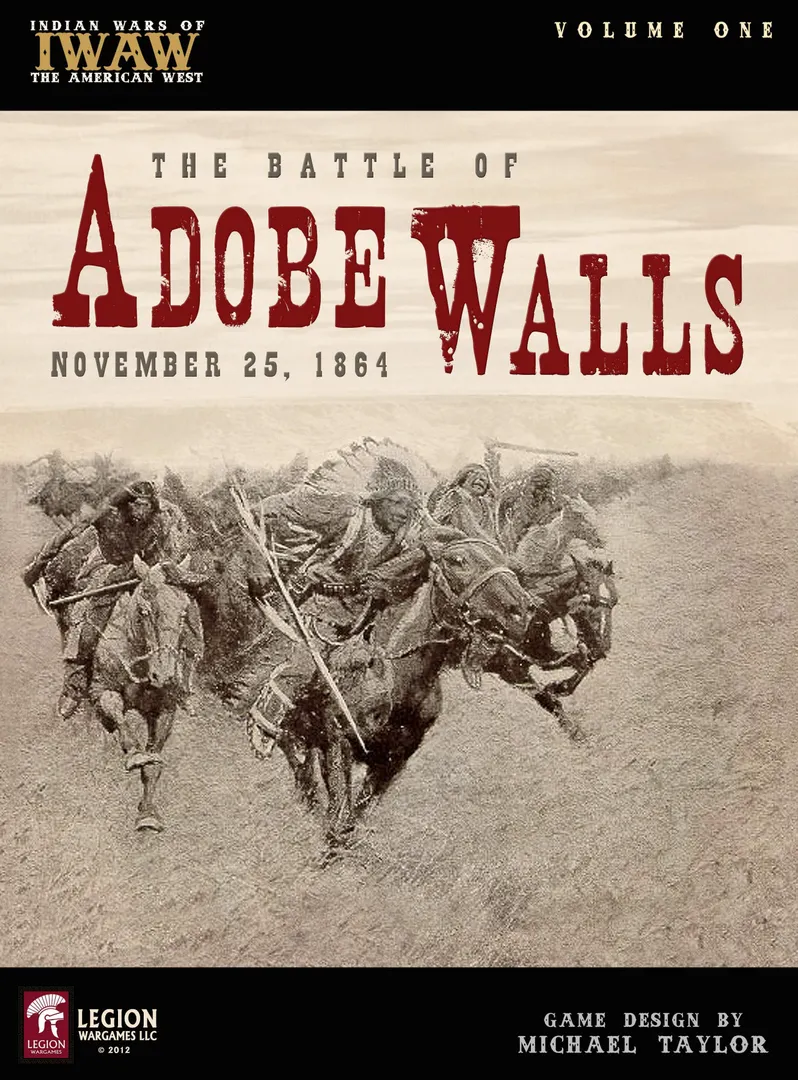
The Battle of Adobe Walls, November 25, 1864
- 1–2 players
- 360 min
- Complexity 2.7/5
- 2009
2005
Rules assistance for The Battle of the Little Bighorn
Plain-language explanations of turns, card effects and disputed situations, with official source references and saved question history.
For 1 player
What would you like to know?
Answers come from the official rulebook, with the page to check.
The Battle of the Little Bighorn is a board game released in 2005 for 1–2 players, 180–300 minutes per game, and ages 12 and up. It was designed by Michael Taylor (I) and its main mechanics are Dice Rolling, Variable Set-up, and Grid Movement.





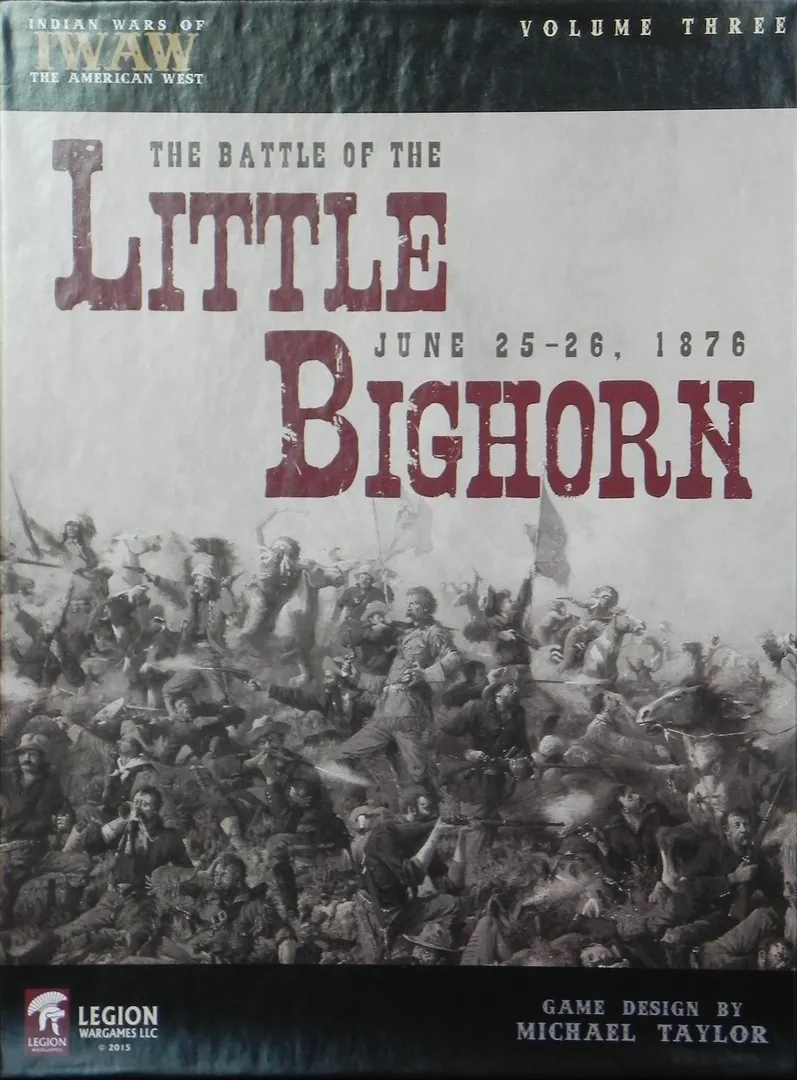
Reprint of the CSR Award Winner: Best Desktop Published Wargame, 2007. The Battle of the Little Bighorn, also known as Custer's Last Stand, was the epic fight between a massive combined force of Plains Indian tribes and the 7th United States Cavalry under the command of Lt. Col. George Armstrong Custer. The battle was the most famous event in the Indian Wars and was a crushing victory for the Indians. Custer, already famous for his Civil War exploits, became an American folk legend. Little Bighorn was the last great victory for the Sioux and Cheyenne. Defiant and proud, they were determined to preserve their way of life, but within a year, they were broken and defeated by a nation swept up in the emotions of the Centennial and bent on revenge for the death of an American hero. The Battle of the Little Bighorn is the third game in the Indian Wars of the American West series. This game also includes the Montana column led by Col. Gibbons. This column was the third column in the field within General Terry’s campaign plan. Crook’s Wyoming column was the other part of this campaign, and included in Volume II of the series, The Battle of Rosebud Creek. The Montana column includes Col. Gibbon, the 7th Infantry, 2nd Cavalry, and Low’s Artillery Battery of Gatling guns(?) and a 12 lb howitzer. Players may now explore the possibilities and capabilities of these guns, and what effect these forces could have had on the outcome of the battle. Scenarios included the historical game, the Montana columns arrival, assigning the Gatling guns or the 2nd cavalry with Custer. Is this last line correct? The new expanded maps (from the original DTP version), allows for the relocation of the Indian village, the arrival of the Montana column, and if Custer had waited for Terry or was delayed because he took the Gatling guns.
The Battle of the Little Bighorn supports 1–2 players according to the catalogue. This range comes from the publisher’s listed player count, so the game can be set up for any group size within it. Some setups, rules and scoring details may still vary by player count, so check your edition’s rulebook for the exact configuration.
The listed playing time for The Battle of the Little Bighorn is 180–300 minutes. This is the publisher’s estimate for a full game. The actual duration depends on the group, the player count and familiarity with the rules: first sessions usually run longer, while experienced groups often finish faster. Setup and teaching time are not included in this estimate.
The catalogue lists The Battle of the Little Bighorn for ages 12 and up. This is the publisher’s recommendation and reflects reading demands, rule complexity and small components rather than theme alone. Younger players can often join with help from an adult, so check the age guidance on your edition and consider your group’s experience with board games.
The Battle of the Little Bighorn has a complexity rating of 3.5 out of 5 from BoardGameGeek players, which makes it a medium-weight game. The rating reflects how much rules knowledge, planning and decision-making a typical game demands. Expect a longer first teach for heavier games, and use a preparation guide before game night.
The Battle of the Little Bighorn belongs to these categories: Wargame, American West, and Post-Napoleonic. Its main mechanics are Dice Rolling, Variable Set-up, and Grid Movement. Categories describe the theme and setting of a game, while mechanics describe what players actually do on their turns. Each mechanic links to a catalogue hub with similar games, which helps when you want something comparable.
The credited designers of The Battle of the Little Bighorn are: Michael Taylor (I). These credits come from the published game data and name the people responsible for the game’s design, not its illustrators or publishers. Designer pages on MeepleRules collect other titles by the same designers, which helps when you enjoy a game and want to find similar ones.
The catalogue lists The Battle of the Little Bighorn as a base game. It can be played on its own with the components in the box and does not require any other title. Expansions, if any exist, add new content or rules on top of it and are listed separately in the catalogue with a link back to this base game.