
- BGG rank
- BGG #5,546
- BGG rating
- 7.2
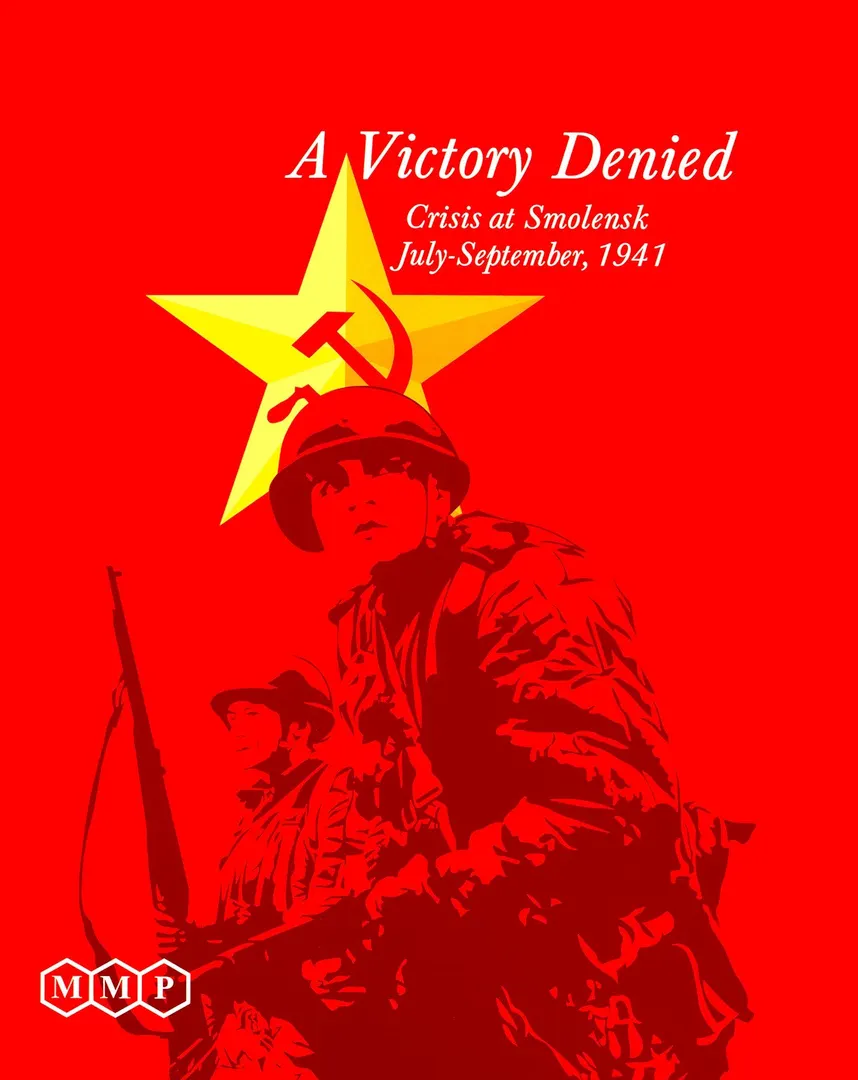
A Victory Denied: Crisis at Smolensk, July-September, 1941
- 2 players
- 240 min
- Complexity 2.6/5
- 2009
2010
Rules assistance for The Tide at Sunrise: The Russo-Japanese War, 1904-1905
Plain-language explanations of turns, card effects and disputed situations, with official source references and saved question history.
For 2 players
What would you like to know?
Answers come from the official rulebook, with the page to check.
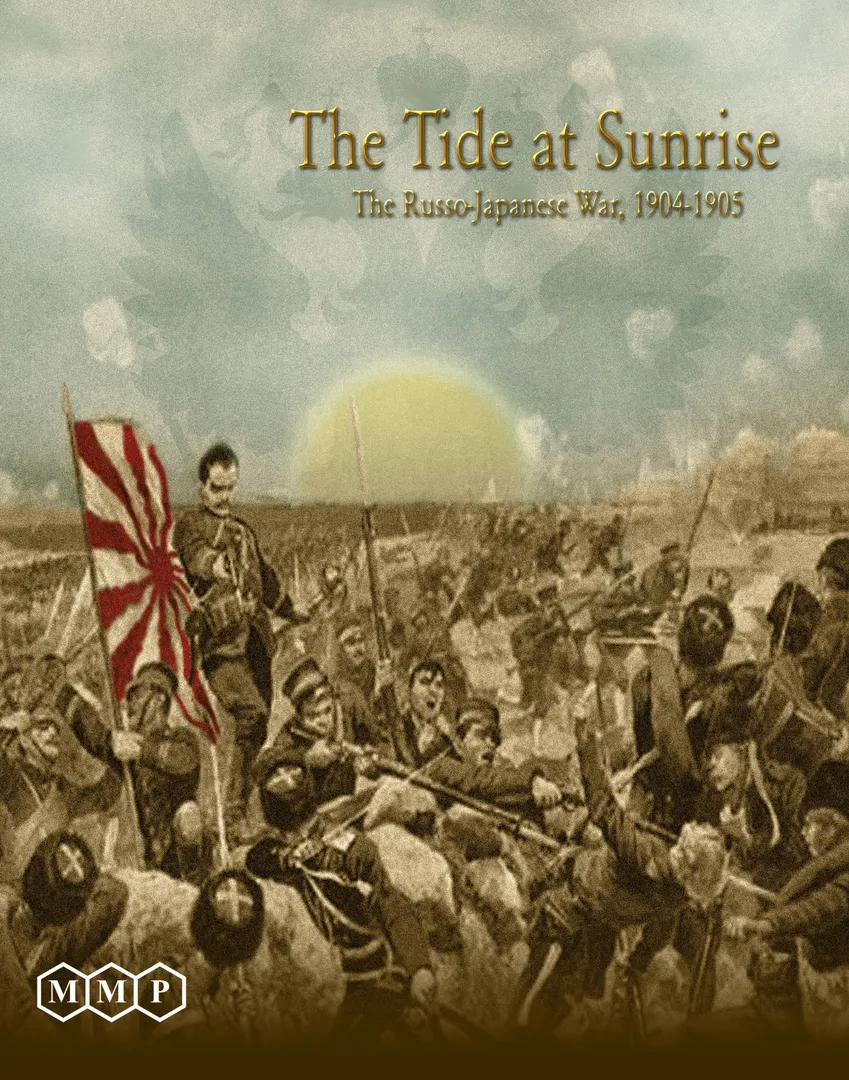
The Tide at Sunrise: The Russo-Japanese War, 1904-1905 is a board game released in 2010 for 2 players, 240 minutes per game, and ages 12 and up. It was designed by Adam Starkweather and Yukihiro Kuroda and its main mechanics are Dice Rolling, Hexagon Grid, and Simulation.




(from Multi-Man Publishing web site:) Tide at Sunrise continues the philosophy that began with A Victory Lost. Using tried and true mechanics but with some major twists, Tide at Sunrise will be a major test of player skill that is rarely seen in the wargaming hobby. Here, the base system is little more than the tried and true game from SPI called Napoleon at Waterloo. But not all is at it seems. Here is the sequence of play: Japanese Player Turn * Naval Phase * Transport Allocation * Movement Phase * Combat Phase * Replacement and Recovery Russian Player Turn * Colonel Akashi Secret Operations Phase * Transport Allocation Phase * Movement Phase * Combat Phase * Supply and Recovery Phase After the completion of both Player Turns, victory points are determined and, if the Japanese have not won a sudden death win, play continues to the next turn. The game focuses on two aspects of the actual event. Players have to manage their armies using an abstract logistical system called “Transport Points” in the game. The Japanese Transport Points are an abstraction of the merchant marine force that the Japanese had available in 1904 and 1905. This can be disrupted from Russian naval activity. The Russian Transport Points are an abstraction of the rail capacity of the newly built Trans-Siberian Railroad. Weather can affect this total if there are heavy snows in Siberia. Colonel Akashi can also stir up trouble and reduce the available Russian Transport totals with sudden strikes and riots in the Russian heartland. Both players use these points to bring on new forces and to replace battlefield losses. Finding the right balance of the two uses is key to being successful in the game. Secondly, players must find the delicate balance between defending and attacking on two separate fronts. How much defends and attacks towards the all-important port of Port Arthur and how much attacks or holds the tough mountain passes of Manchuria - the key to the open plains to the north – where terrain is less defensible and victory points are everywhere. Victory in the game is determined by success in the naval war, the capture of key terrain objectives and enemy losses. Game components: * One 22” by 39” full color map * 140 1/2” land formation counters * 44 1 1/4” by 5/8” ship counters * 16 page full color rulebook Game summary: * Playtime: 3-5 hours * Complexity: Simple * Solitaire rating: excellent Game scale: * Turns: 12 (each turn represents one month of real time) * Counters: Divisions and Brigades for the land units, Capital Ships for the naval units * Hex scale: 10 kilometers Game Credits: * Designer: Yukihiro Kuroda * Developer: Adam Starkweather * Graphic Artist: Niko Eskubi
The Tide at Sunrise: The Russo-Japanese War, 1904-1905 supports 2 players according to the catalogue. This is the publisher’s listed player count, so the game is designed for exactly that number of participants. Variants for other group sizes, if any, are described in the rulebook of your edition, so check it before setting up a different configuration.
The listed playing time for The Tide at Sunrise: The Russo-Japanese War, 1904-1905 is 240 minutes. This is the publisher’s estimate for a full game. The actual duration depends on the group, the player count and familiarity with the rules: first sessions usually run longer, while experienced groups often finish faster. Setup and teaching time are not included in this estimate.
The catalogue lists The Tide at Sunrise: The Russo-Japanese War, 1904-1905 for ages 12 and up. This is the publisher’s recommendation and reflects reading demands, rule complexity and small components rather than theme alone. Younger players can often join with help from an adult, so check the age guidance on your edition and consider your group’s experience with board games.
The Tide at Sunrise: The Russo-Japanese War, 1904-1905 has a complexity rating of 2.3 out of 5 from BoardGameGeek players, which makes it a medium-light game. The rating reflects how much rules knowledge, planning and decision-making a typical game demands. Expect a longer first teach for heavier games, and use a preparation guide before game night.
The Tide at Sunrise: The Russo-Japanese War, 1904-1905 belongs to these categories: Wargame and Post-Napoleonic. Its main mechanics are Dice Rolling, Hexagon Grid, and Simulation. Categories describe the theme and setting of a game, while mechanics describe what players actually do on their turns. Each mechanic links to a catalogue hub with similar games, which helps when you want something comparable.
The credited designers of The Tide at Sunrise: The Russo-Japanese War, 1904-1905 are: Adam Starkweather and Yukihiro Kuroda. These credits come from the published game data and name the people responsible for the game’s design, not its illustrators or publishers. Designer pages on MeepleRules collect other titles by the same designers, which helps when you enjoy a game and want to find similar ones.
The catalogue lists The Tide at Sunrise: The Russo-Japanese War, 1904-1905 as a base game. It can be played on its own with the components in the box and does not require any other title. Expansions, if any exist, add new content or rules on top of it and are listed separately in the catalogue with a link back to this base game.