
- BGG rating
- 7.6
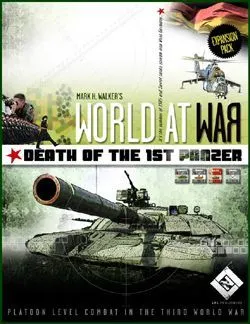
World at War: Death of the 1st Panzer
- 2 players
- Complexity 2.5/5
- 2008
2008
Rules assistance for World at War: Blood and Bridges
Plain-language explanations of turns, card effects and disputed situations, with official source references and saved question history.
For 2 players
What would you like to know?
Answers come from the official rulebook, with the page to check.
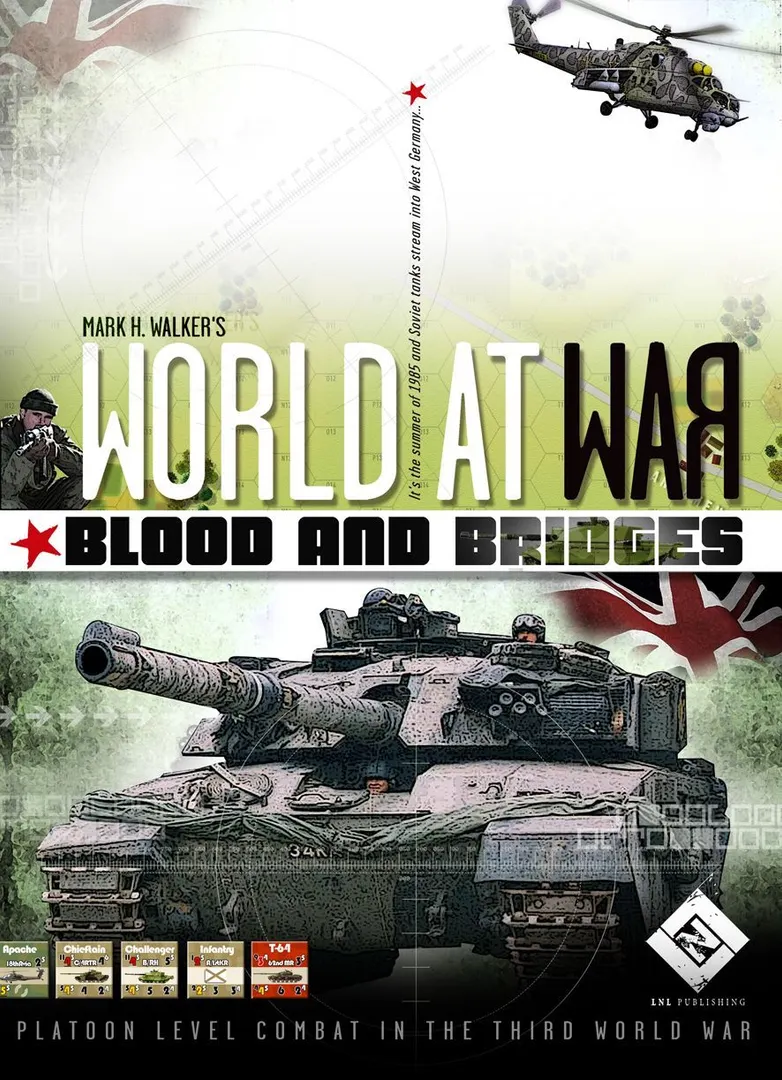
World at War: Blood and Bridges is a board game released in 2008 for 2 players and 90 minutes per game. It was designed by Mark H. Walker and Jim Snyder and its main mechanics are Dice Rolling, Hexagon Grid, and Chit-Pull System.
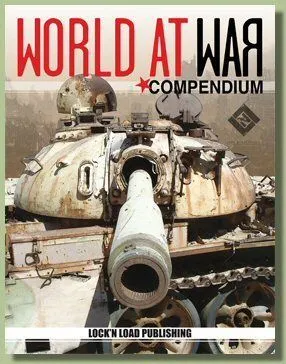
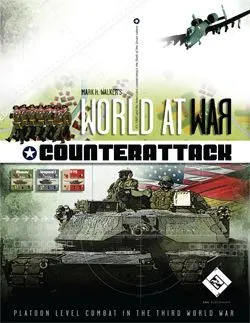

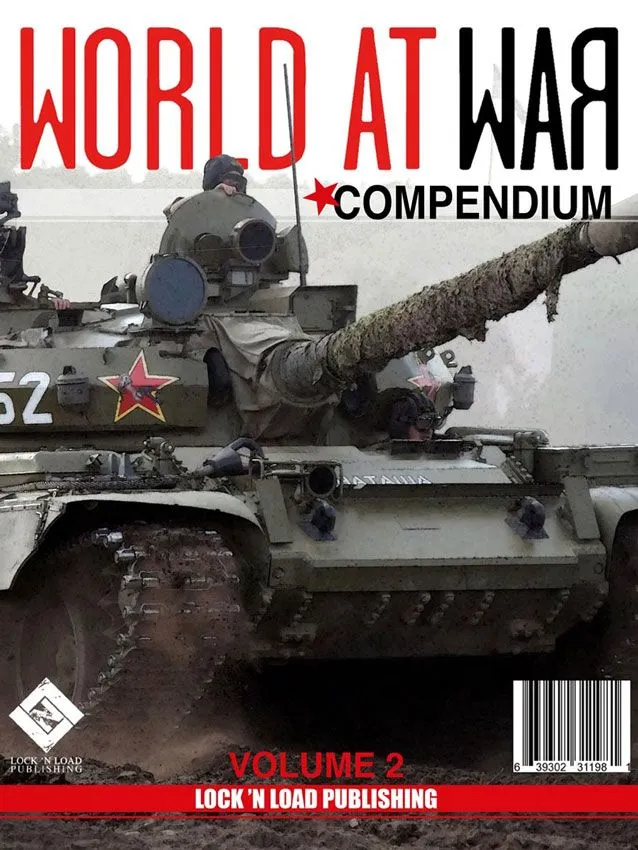

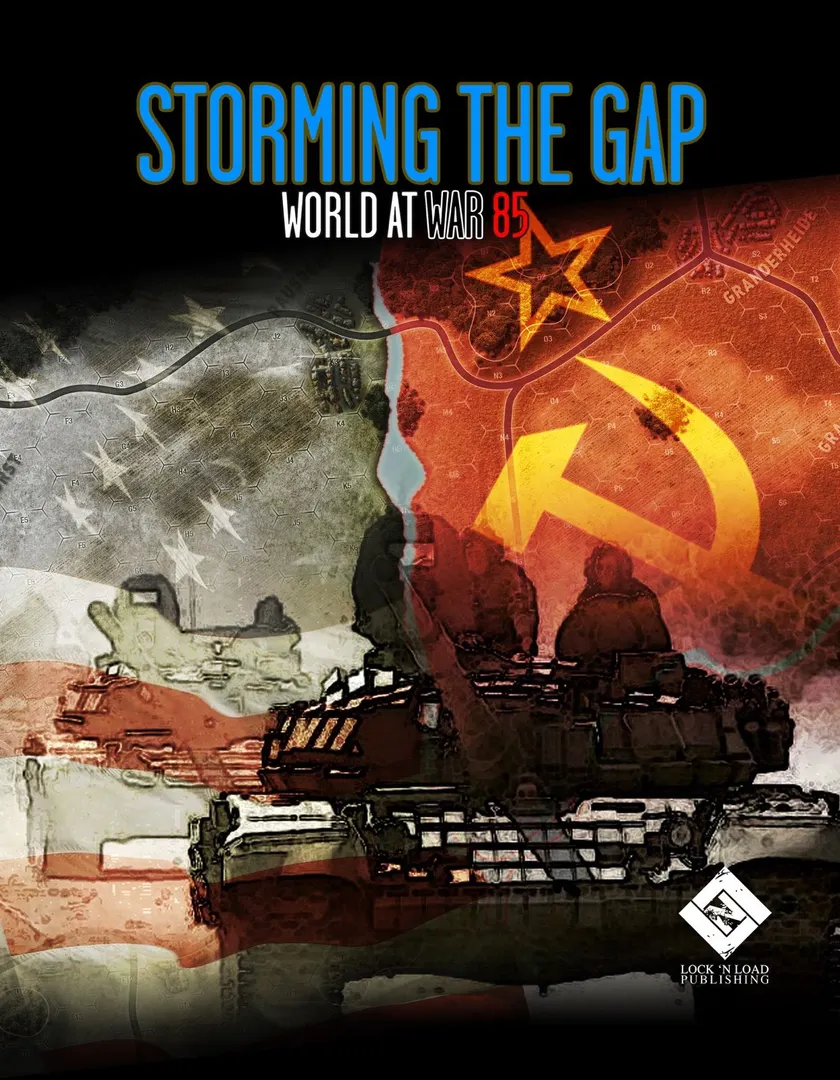



Blood and Bridges is a complete stand-alone World at War module that depicts the struggle for control of the bridges in the Rhine River Valley. Fresh Guards units are spearheading the assault into Western Europe, bending defending NATO forces to their breaking point. It is up to forces of the British Army of the Rhine (BAOR), to stop the Soviet advance which, if successful could ultimately threaten Britain itself. This stand-alone expansion to the Award Winning World at War: Eisenbach Gap System, contains everything you need to play right out of the box. A new, fully updated and expanded rulebook covers the entire original World at War rules and adds new rules to expand the on-map action. Included are regulations for bridging units like Soviet MTU-55, improved positions and air power, which was a special scenario rule in Death of the First Panzer (An earlier add-on covering West German forces with an 11x17 map, 40 new scuff-resistant counters, and 6 new scenarios). Now the NATO forces will have improved positions to help them cope with the Soviet onslaught. Air power becomes an official game element, with rules and counters representing American A-10's, Soviet SU-25's, and British Tornado's. Birds that can deal out a massive amount of destruction on the battlefield, and look sexy doing it. At least as sexy as a cardboard chit can look. Also, expanded artillery rules, introduce Multiple Launch Rocket Systems (MLRS), and electronic warfare. In addition a new table brings battlefield chaos effects to the game. War never goes as planned and great leaders must deal with adversity when it happens. So we thought, 'Let's shake things up a bit". In games with this option, if you draw the "battlefield chaos" counter, a roll is made to see what the gods of war have hefted upon you, your enemy, or both of you. Anything from bad weather, extra support missions, shell-shocked troops, or skillful battle plans, can come your way. The war is raging on and now it is up to the British and their formidable array of weapons systems to blunt the Soviet spearhead. Chieftain and Challenger tanks, Striker ATGM vehicles, FV-432 APCs, Lynx attack helicopters, Tornado fighter-bombers and others clash headlong with top-of-the-line Soviet Guards units outfitted with T-80 and T-64 tanks, BMP-2 APCs, MTU-55 Bridge layers, SA-13s, Hind E attack helicopters, Su-25 ground attack aircraft and many more. There is only one mission here. Hold the bridges or see Soviet armor on Channel coast. Are you up to the task? World at War: Blood and Bridges is the latest complete game in the World at War series. It features 352 counters (we just added an extra half sheet of admin counter goodness), a mounted 22” x 34” map, 12 scenarios, two player-aid cards, dice, and a complete rules set.
World at War: Blood and Bridges supports 2 players according to the catalogue. This is the publisher’s listed player count, so the game is designed for exactly that number of participants. Variants for other group sizes, if any, are described in the rulebook of your edition, so check it before setting up a different configuration.
The listed playing time for World at War: Blood and Bridges is 90 minutes. This is the publisher’s estimate for a full game. The actual duration depends on the group, the player count and familiarity with the rules: first sessions usually run longer, while experienced groups often finish faster. Setup and teaching time are not included in this estimate.
World at War: Blood and Bridges has a complexity rating of 2.8 out of 5 from BoardGameGeek players, which makes it a medium-light game. The rating reflects how much rules knowledge, planning and decision-making a typical game demands. Expect a longer first teach for heavier games, and use a preparation guide before game night.
World at War: Blood and Bridges belongs to these categories: Wargame, Modern Warfare, and Aviation / Flight. Its main mechanics are Dice Rolling, Hexagon Grid, and Chit-Pull System. Categories describe the theme and setting of a game, while mechanics describe what players actually do on their turns. Each mechanic links to a catalogue hub with similar games, which helps when you want something comparable.
The credited designers of World at War: Blood and Bridges are: Mark H. Walker and Jim Snyder. These credits come from the published game data and name the people responsible for the game’s design, not its illustrators or publishers. Designer pages on MeepleRules collect other titles by the same designers, which helps when you enjoy a game and want to find similar ones.
The catalogue lists World at War: Blood and Bridges as a base game. It can be played on its own with the components in the box and does not require any other title. Expansions, if any exist, add new content or rules on top of it and are listed separately in the catalogue with a link back to this base game.