

- BGG rank
- BGG #4,659
- BGG rating
- 8.0
Hearts and Minds: Vietnam 1965-1975 (Third Edition)
- 1–2 players
- 45–360 min
- Complexity 3.0/5
- 2019
2018
Rules assistance for Maori Wars: The New Zealand Land Wars, 1845-1872
Plain-language explanations of turns, card effects and disputed situations, with official source references and saved question history.
For 2 players
What would you like to know?
Answers come from the official rulebook, with the page to check.
Maori Wars: The New Zealand Land Wars, 1845-1872 is a board game released in 2018 for 2 players, 120 minutes per game, and ages 12 and up. It was designed by John Poniske and its main mechanics are Dice Rolling, Grid Movement, and Hexagon Grid.




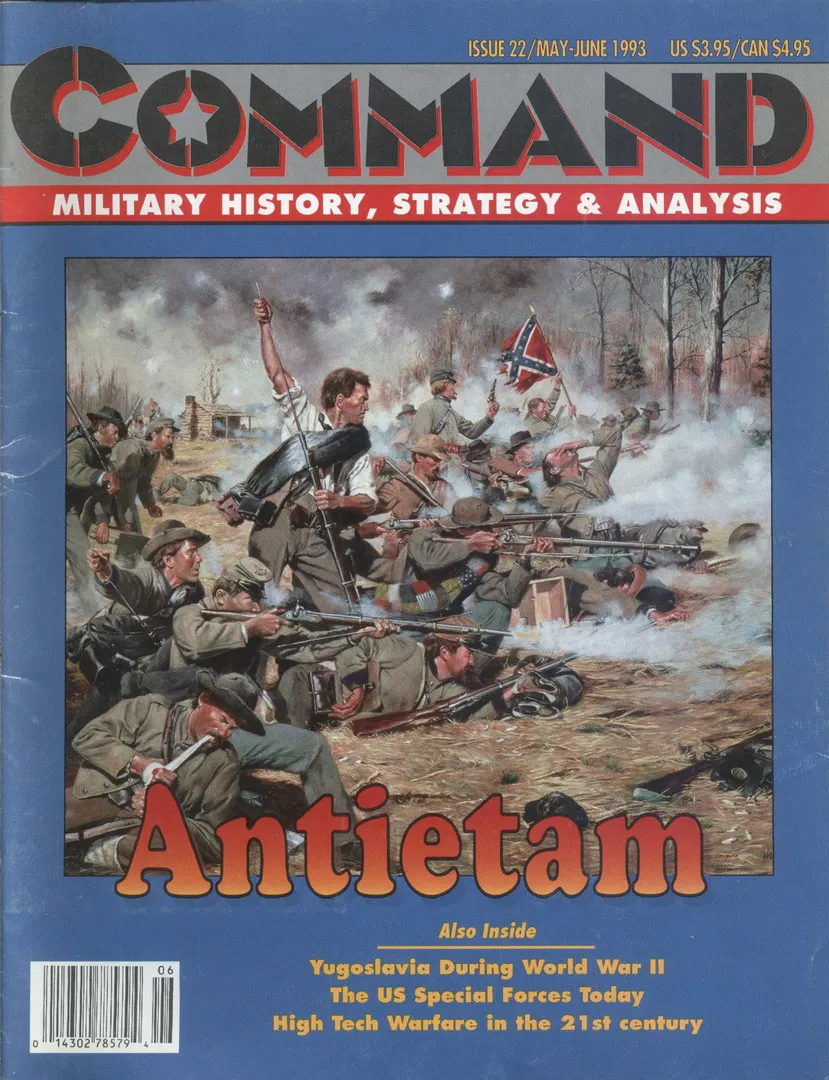





Maori Wars is a simulation of the principal uprisings that took place between 1845 and 1872 due to British colonial incursions into native Maori lands on the North Island of New Zealand. Conflict involved the destruction of numerous villages, pas (strongly fortified villages that featured intricate trench-works) and colonial settlements. The war introduced the British to a wily well-armed enemy whose defense works and strategy of ambush surprised and stymied them. As scenarios progress so does the extent of the conflict. More British regulars, native born Australian troops and New Zealand militia enter and are allied with increasingly more tribes who tend to change sides at the most inopportune times (those supporting the British came to be known as Queenites). Historical scenarios feature low counter density, quick play time (under two hours), and features a novel bush-raiding rule that allows the Maori player to move units temporarily off the map and then back in a location of his choice. As the British player gains experience he learns to track these tribes. At which point he enters and battles these units in the bush. Maori resistance is dependent on village support so as fortified villages fall to British control, resistance melts away. Random battle dispatches reflect historical circumstances. Events such as: SEEK PEACE, NEW RELIGION, and CONCERNED TRIBES force players to deal with new and developing crises. The English may build forts but are penalized for fort-building as they historically caused local uprisings. Canoes and gunboats allow rapid transport and in the case of gunboats waterborne artillery support. Standard British artillery and cavalry are introduced but play only a minor supporting role. Terrain and knowledge of the terrain is the Maori’s secret weapon. Relative troop strength is designed to allow the possibility of historical outcomes not the proportionate historical strength. The overwhelming British superiority of men and firepower made the successes of the Maori forces all the more remarkable. Map Scale: 10 miles per hex Unit Size: Battalions/Strength Points Time Scale: 3 months per turn (from Legion Wargames website)
Maori Wars: The New Zealand Land Wars, 1845-1872 supports 2 players according to the catalogue. This is the publisher’s listed player count, so the game is designed for exactly that number of participants. Variants for other group sizes, if any, are described in the rulebook of your edition, so check it before setting up a different configuration.
The listed playing time for Maori Wars: The New Zealand Land Wars, 1845-1872 is 120 minutes. This is the publisher’s estimate for a full game. The actual duration depends on the group, the player count and familiarity with the rules: first sessions usually run longer, while experienced groups often finish faster. Setup and teaching time are not included in this estimate.
The catalogue lists Maori Wars: The New Zealand Land Wars, 1845-1872 for ages 12 and up. This is the publisher’s recommendation and reflects reading demands, rule complexity and small components rather than theme alone. Younger players can often join with help from an adult, so check the age guidance on your edition and consider your group’s experience with board games.
Maori Wars: The New Zealand Land Wars, 1845-1872 has a complexity rating of 2.6 out of 5 from BoardGameGeek players, which makes it a medium-light game. The rating reflects how much rules knowledge, planning and decision-making a typical game demands. Expect a longer first teach for heavier games, and use a preparation guide before game night.
Maori Wars: The New Zealand Land Wars, 1845-1872 belongs to these categories: Wargame and Post-Napoleonic. Its main mechanics are Dice Rolling, Grid Movement, and Hexagon Grid. Categories describe the theme and setting of a game, while mechanics describe what players actually do on their turns. Each mechanic links to a catalogue hub with similar games, which helps when you want something comparable.
The credited designers of Maori Wars: The New Zealand Land Wars, 1845-1872 are: John Poniske. These credits come from the published game data and name the people responsible for the game’s design, not its illustrators or publishers. Designer pages on MeepleRules collect other titles by the same designers, which helps when you enjoy a game and want to find similar ones.
The catalogue lists Maori Wars: The New Zealand Land Wars, 1845-1872 as a base game. It can be played on its own with the components in the box and does not require any other title. Expansions, if any exist, add new content or rules on top of it and are listed separately in the catalogue with a link back to this base game.