
- BGG rank
- BGG #14,044
- BGG rating
- 7.3
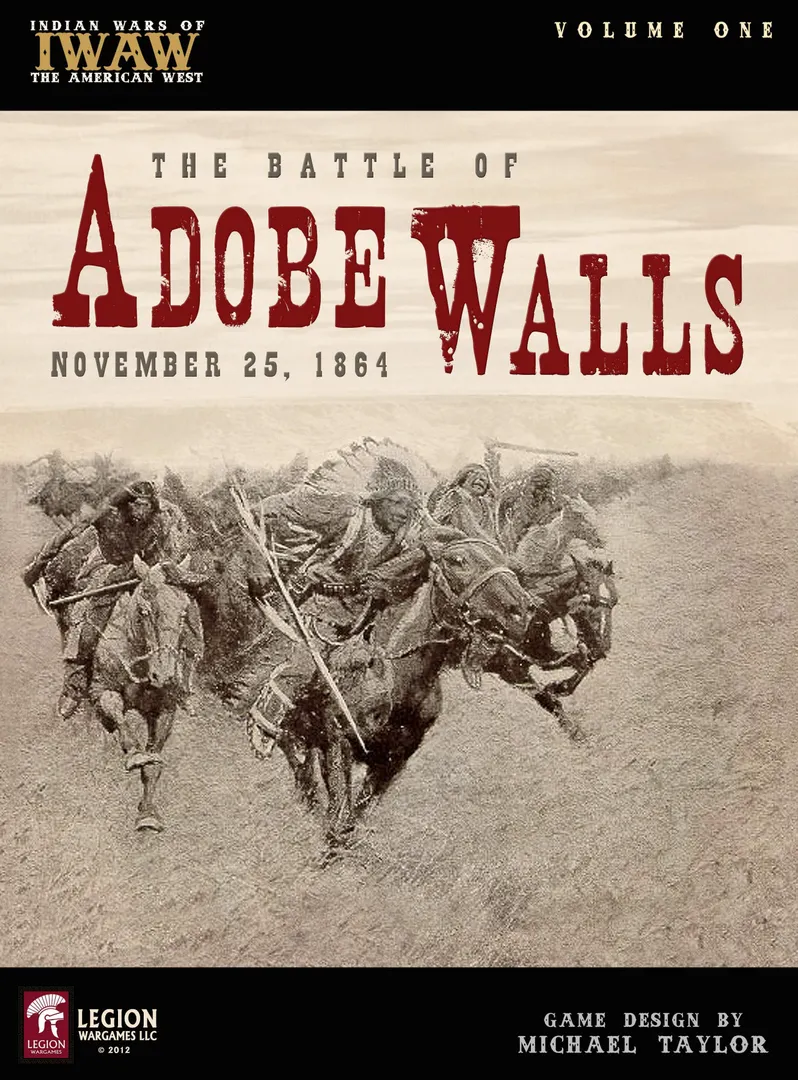
The Battle of Adobe Walls, November 25, 1864
- 1–2 players
- 360 min
- Complexity 2.7/5
- 2009
2007
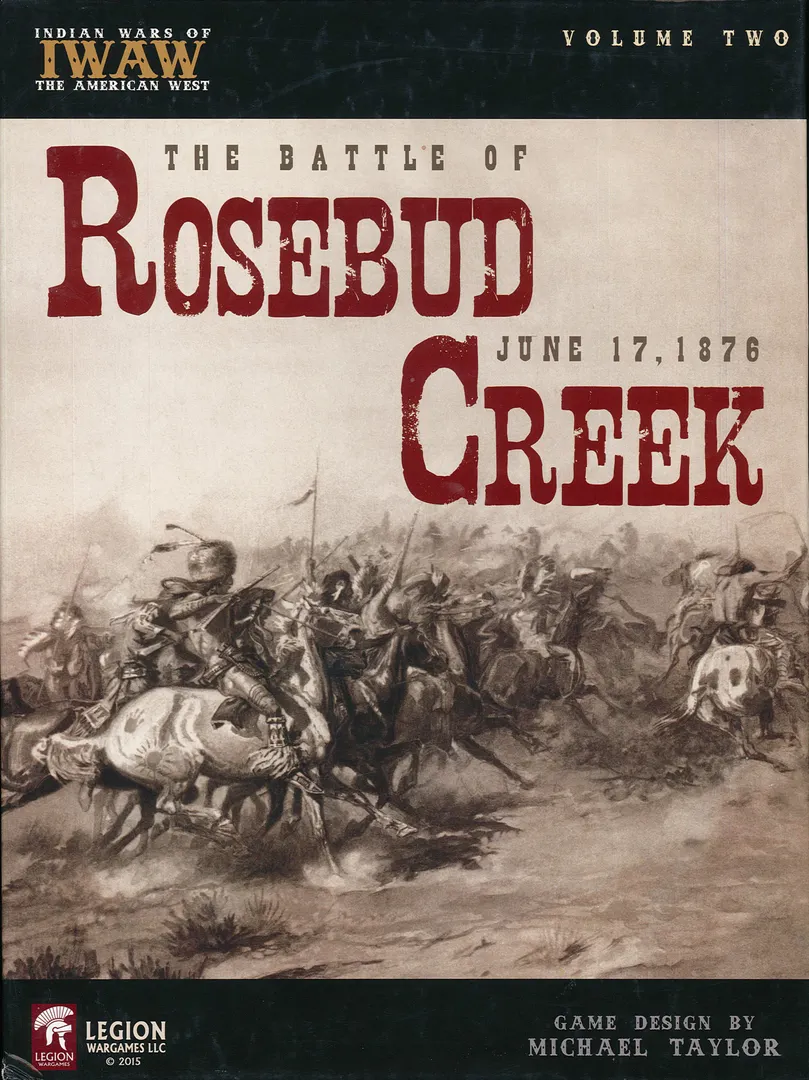
Rules assistance for The Battle of Rosebud Creek
Plain-language explanations of turns, card effects and disputed situations, with official source references and saved question history.
For 2 players
What would you like to know?
Answers come from the official rulebook, with the page to check.
The Battle of Rosebud Creek is a board game released in 2007 for 2 players and ages 12 and up. It was designed by Michael Taylor (I) and its main mechanics are Dice Rolling, Variable Set-up, and Grid Movement.
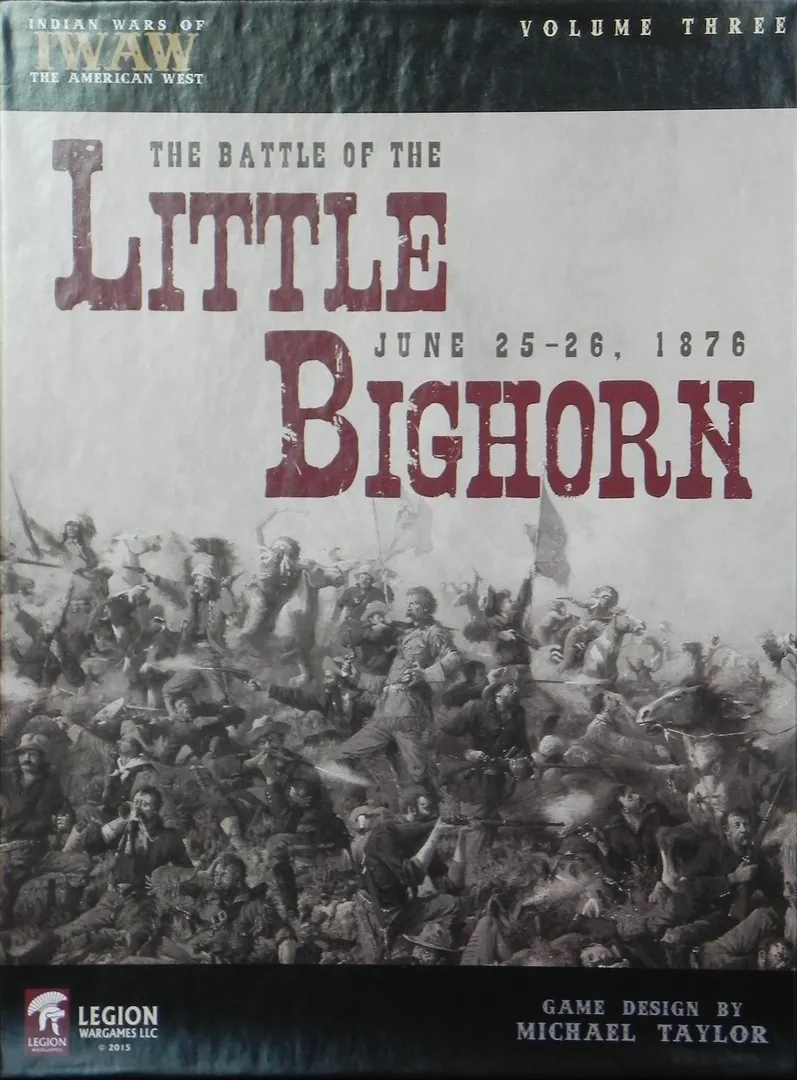






From Khyber Pass Games website George Armstrong Custer and The Battle of the Little Bighorn have long overshadowed the Battle of the Rosebud. Preceding the Little Bighorn by a week, the outcome of this battle directly influenced what happened to Custer and the 7th US Cavalry. General George Crook was given command of the Southern column of the Bighorn Campaign. With Gibbon's column coming in from the West and the Terry/Custer column from the Northeast, the campaign's objective was to trap the Sioux and Northern Cheyenne and forcibly return them back to their reservation. Tactically the battle was inconclusive. Casualties on both sides were relatively low, and in the end Crook held the field. But strategically the Rosebud fight was a great victory for the Sioux and Cheyenne. Crook expended a huge amount of ammunition; most soldiers were down to 10 rounds or fewer each. Many horses were killed, injured, or worn out. Because of these reasons Crook decided to withdraw his command back to his base camp, effectively taking his column out of the campaign. Had Crook been able to continue operations he could have linked up with Custer's column, adding his infantry and cavalry to the 7th Cavalry. Custer's last stand would have, in all probability, never have occurred. Game scale: Each combat unit represents: - one US Cavalry company - approximately 100 Indians - individual leader Each hex equals 1/4 mile across. Each game turn represents 20 minutes. This game will be re-released by Legion Wargames as a boxed game with die-cut EasyPunch counters. Also being re-released is Volume I in the series Battle of the Little Bighorn. This game is part of a series: The Battle of Rosebud Creek, The Battle of the Little Bighorn, and The Battle of Adobe Walls, November 25, 1864.
The Battle of Rosebud Creek supports 2 players according to the catalogue. This is the publisher’s listed player count, so the game is designed for exactly that number of participants. Variants for other group sizes, if any, are described in the rulebook of your edition, so check it before setting up a different configuration.
The catalogue lists The Battle of Rosebud Creek for ages 12 and up. This is the publisher’s recommendation and reflects reading demands, rule complexity and small components rather than theme alone. Younger players can often join with help from an adult, so check the age guidance on your edition and consider your group’s experience with board games.
The Battle of Rosebud Creek has a complexity rating of 2.6 out of 5 from BoardGameGeek players, which makes it a medium-light game. The rating reflects how much rules knowledge, planning and decision-making a typical game demands. Expect a longer first teach for heavier games, and use a preparation guide before game night.
The Battle of Rosebud Creek belongs to these categories: Wargame, American West, and Post-Napoleonic. Its main mechanics are Dice Rolling, Variable Set-up, and Grid Movement. Categories describe the theme and setting of a game, while mechanics describe what players actually do on their turns. Each mechanic links to a catalogue hub with similar games, which helps when you want something comparable.
The credited designers of The Battle of Rosebud Creek are: Michael Taylor (I). These credits come from the published game data and name the people responsible for the game’s design, not its illustrators or publishers. Designer pages on MeepleRules collect other titles by the same designers, which helps when you enjoy a game and want to find similar ones.
The catalogue lists The Battle of Rosebud Creek as a base game. It can be played on its own with the components in the box and does not require any other title. Expansions, if any exist, add new content or rules on top of it and are listed separately in the catalogue with a link back to this base game.