
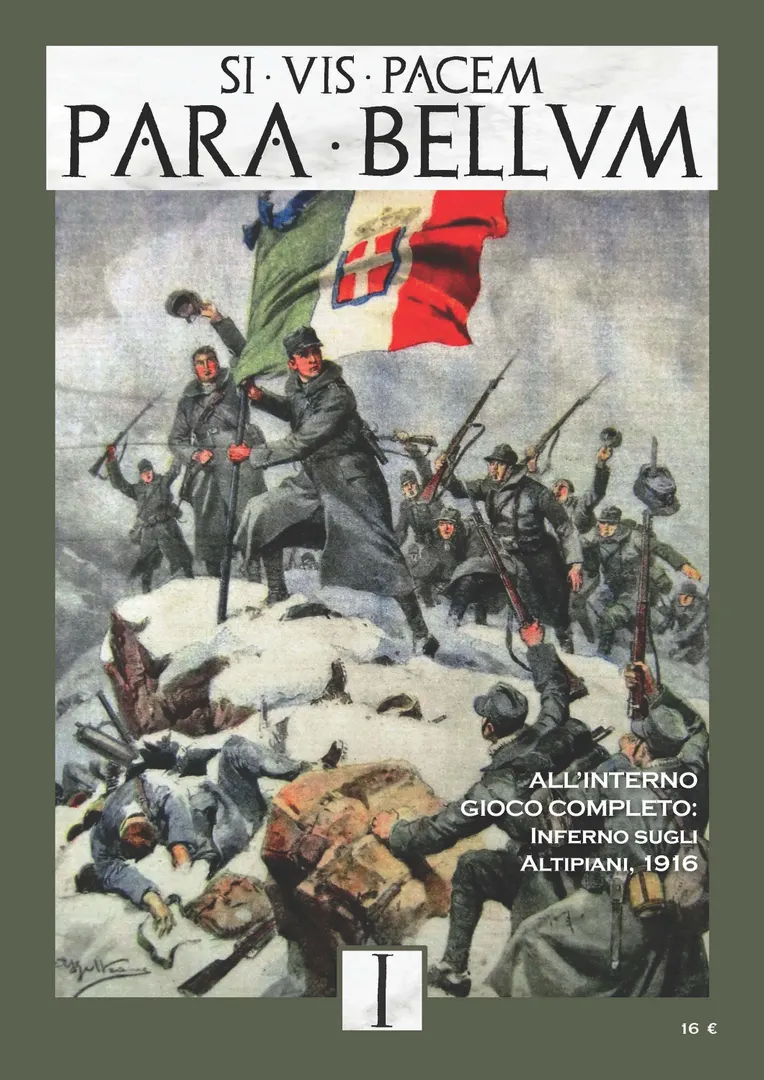
- BGG rank
- BGG #12,438
- BGG rating
- 7.8
Burning Mountains 1916
- 2 players
- 180–240 min
- Complexity 2.2/5
- 2017
2019
Rules assistance for Custoza, Fields of Doom
Plain-language explanations of turns, card effects and disputed situations, with official source references and saved question history.
For 2 players
What would you like to know?
Answers come from the official rulebook, with the page to check.
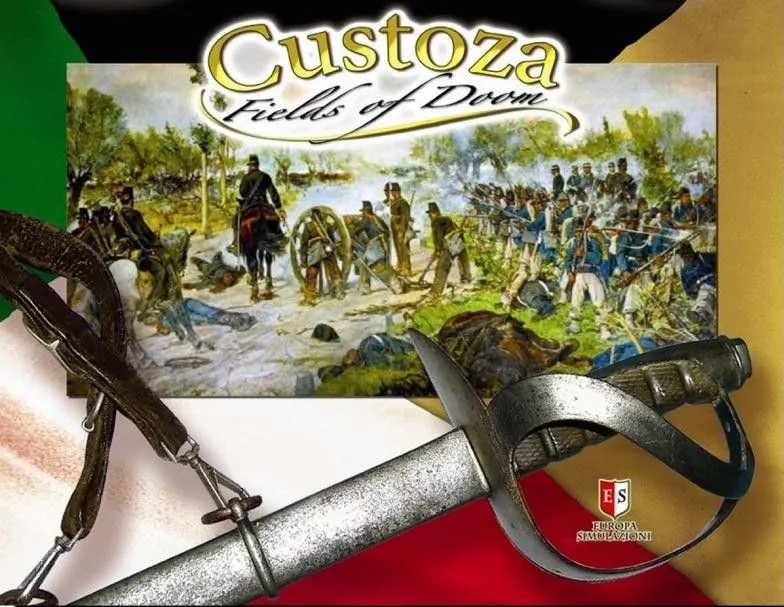
Custoza, Fields of Doom is a board game released in 2019 for 2 players and ages 16 and up. It was designed by Andrea Brusati and its main mechanics are Dice Rolling, Variable Set-up, and Grid Movement.


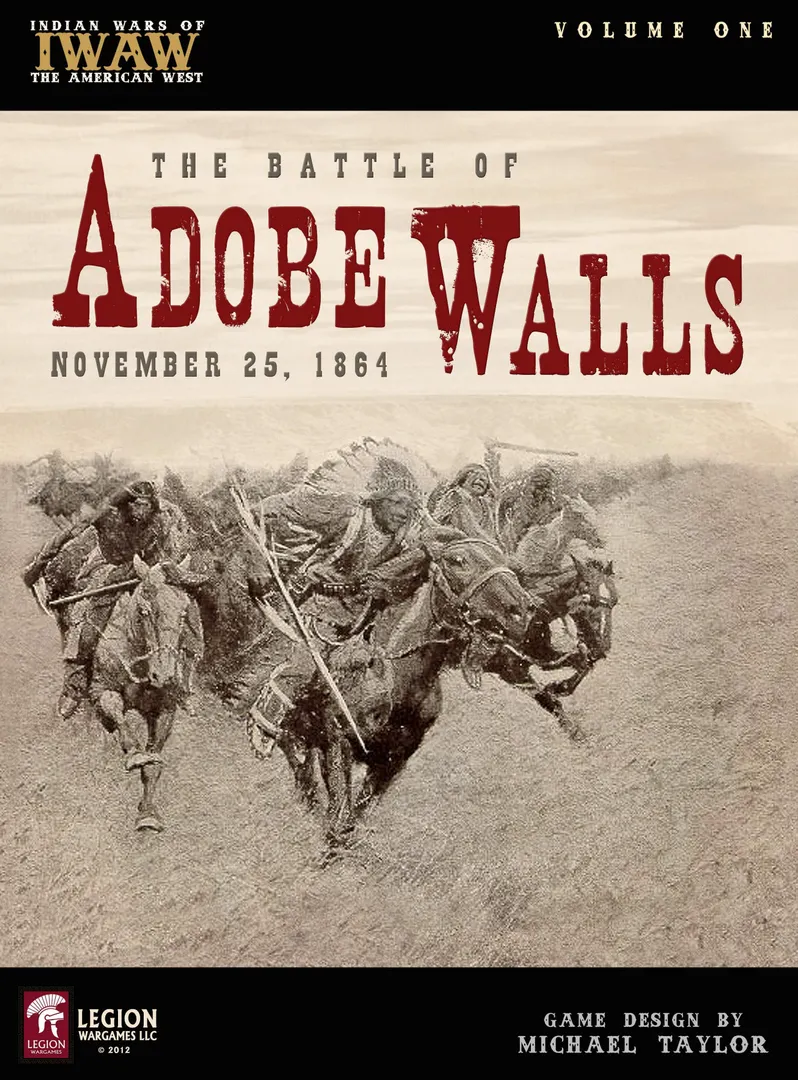


"Custoza, Fields of Doom" is the name of the first wargame of a series, using the same rules system, named “Risorgimento”. The Operational Game System “Risorgimento” simulates the battles and campaigns of the Wars of the Italian Independence (1848 – 1866) at regimental and battalion level. The system does not deal with the tactical formations of the period, instead it highlights the command systems and capacities, the fog of war, and the consequent operational and strategic decisions, keeping the game complexity at middle to low level. Historical Note: Custoza is a small town at the edge of low hills between Verona and the Mincio river, an area that always saw the passage, and the fighting, of armies struggling for the domain of Veneto. And the same hills were the theater of two fierce battles between the rising Italian Kingdom and the Austrian Empire. In July 1848, the battle between the Piedmomtese Army under King Carlo Alberto and the Austrian Imperial Army under Field Marshall Joseph Radetzky signed the turning point of the First Independence War, and the defeat of the Piedmontese dream of an Italian Crusade against Austria. In 1866, on 24th of June (the recurrence of the Battle of Solferino), a far bigger, but inconclusive, battle was fought between the new Italian Kingdom Army under Vittorio Emanuele II, son of Carlo Alberto, and the Austrian Imperial Army of South led by Archduke Albrecht. The battle started as a meeting engagement, ending in a massive fighting. It was a crushing defeat of the Italian colours, but the Third Independence War still finally gave Veneto to the Kingdom of Italy, because of its alliance with Prussia, who was winning the Austro-Prussian War of 1866.
Custoza, Fields of Doom supports 2 players according to the catalogue. This is the publisher’s listed player count, so the game is designed for exactly that number of participants. Variants for other group sizes, if any, are described in the rulebook of your edition, so check it before setting up a different configuration.
The catalogue lists Custoza, Fields of Doom for ages 16 and up. This is the publisher’s recommendation and reflects reading demands, rule complexity and small components rather than theme alone. Younger players can often join with help from an adult, so check the age guidance on your edition and consider your group’s experience with board games.
Custoza, Fields of Doom has a complexity rating of 3.3 out of 5 from BoardGameGeek players, which makes it a medium-weight game. The rating reflects how much rules knowledge, planning and decision-making a typical game demands. Expect a longer first teach for heavier games, and use a preparation guide before game night.
Custoza, Fields of Doom belongs to these categories: Wargame and Post-Napoleonic. Its main mechanics are Dice Rolling, Variable Set-up, and Grid Movement. Categories describe the theme and setting of a game, while mechanics describe what players actually do on their turns. Each mechanic links to a catalogue hub with similar games, which helps when you want something comparable.
The credited designers of Custoza, Fields of Doom are: Andrea Brusati. These credits come from the published game data and name the people responsible for the game’s design, not its illustrators or publishers. Designer pages on MeepleRules collect other titles by the same designers, which helps when you enjoy a game and want to find similar ones.
The catalogue lists Custoza, Fields of Doom as a base game. It can be played on its own with the components in the box and does not require any other title. Expansions, if any exist, add new content or rules on top of it and are listed separately in the catalogue with a link back to this base game.