
- BGG rating
- 7.5
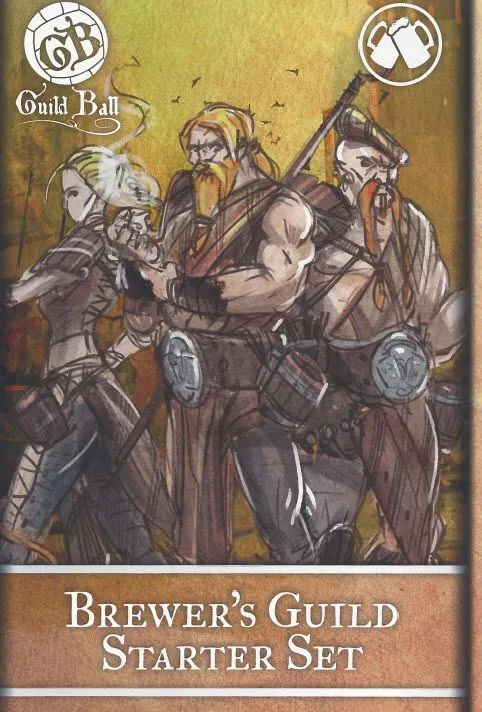
Guild Ball: Brewer Starter Set
- 2 players
- 60–120 min
- 2015
2015
Rules assistance for Guild Ball
Plain-language explanations of turns, card effects and disputed situations, with official source references and saved question history.
For 2 players
What would you like to know?
Answers come from the official rulebook, with the page to check.
Guild Ball is a board game released in 2015 for 2 players and 60 minutes per game. It was designed by Richard Loxam and Mat Hart and its main mechanics are Dice Rolling and Action Points.
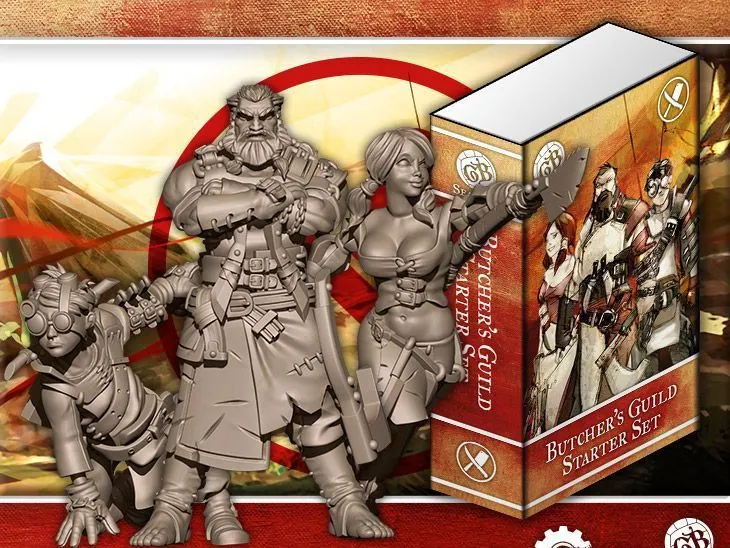
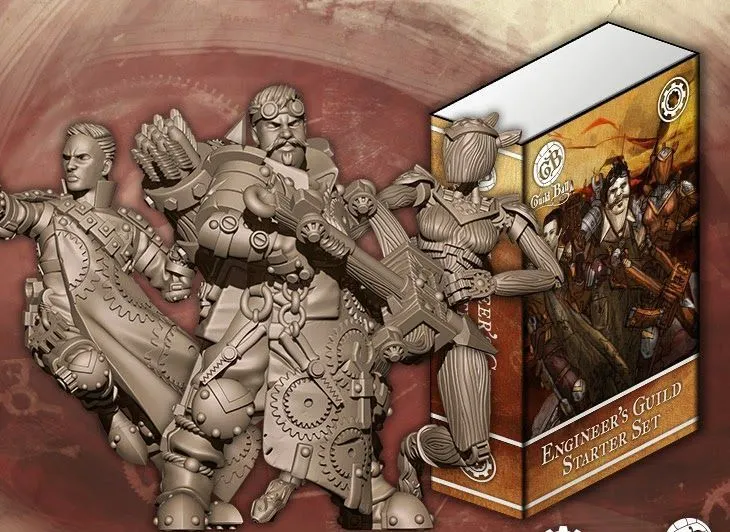

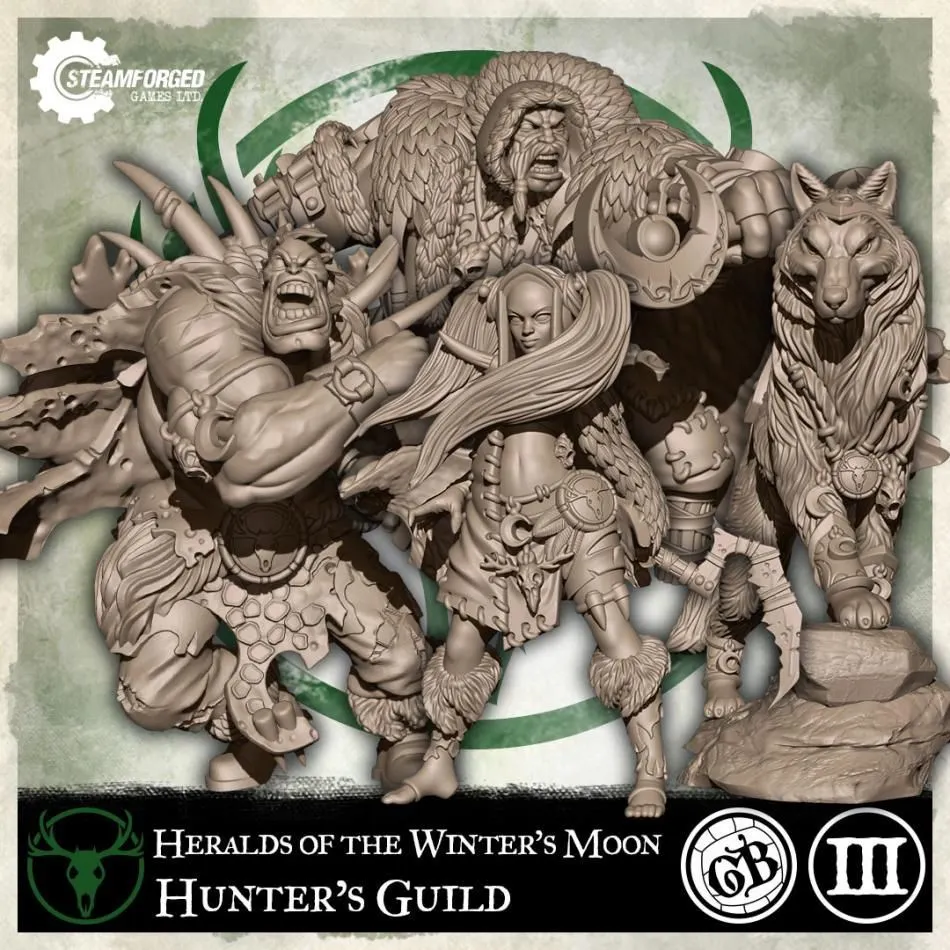
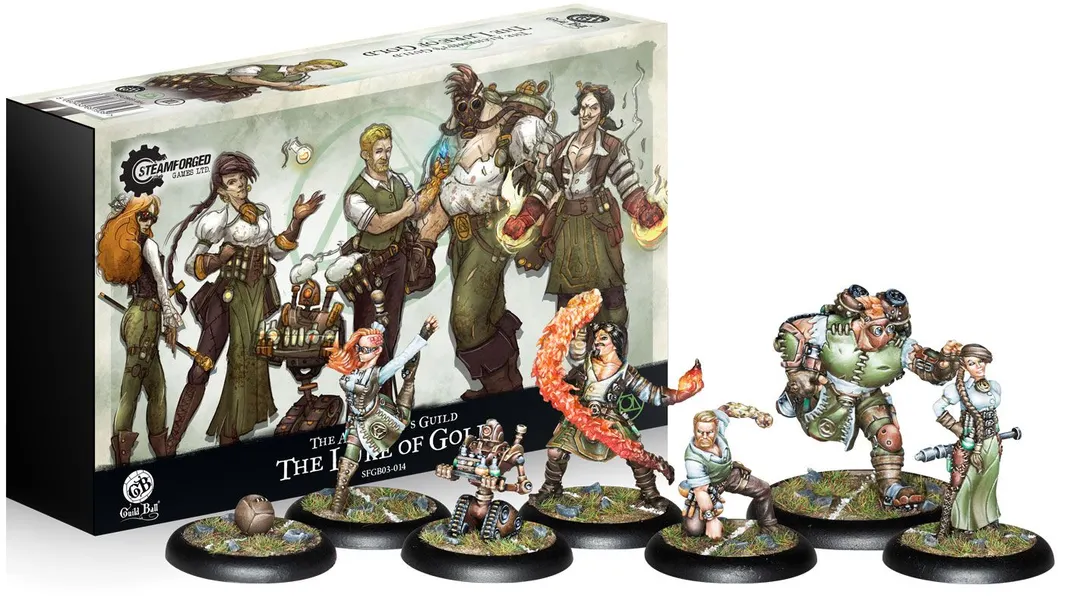
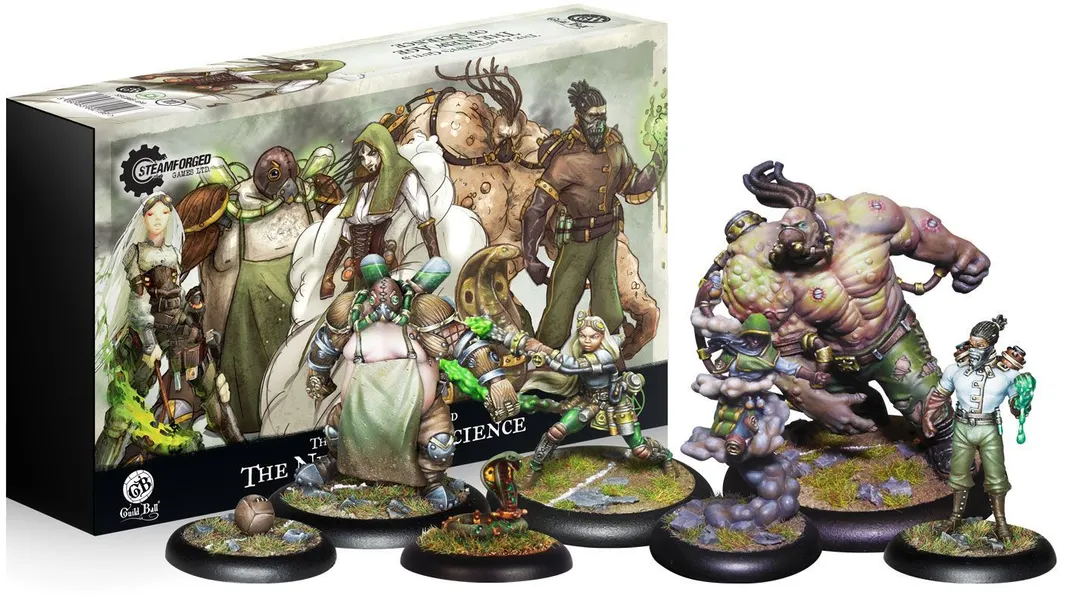
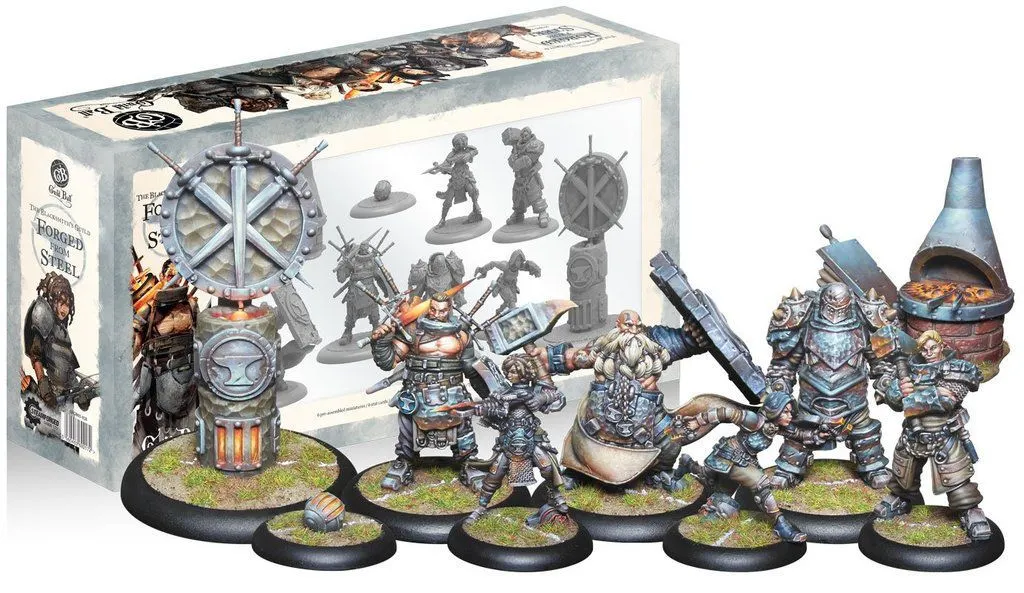
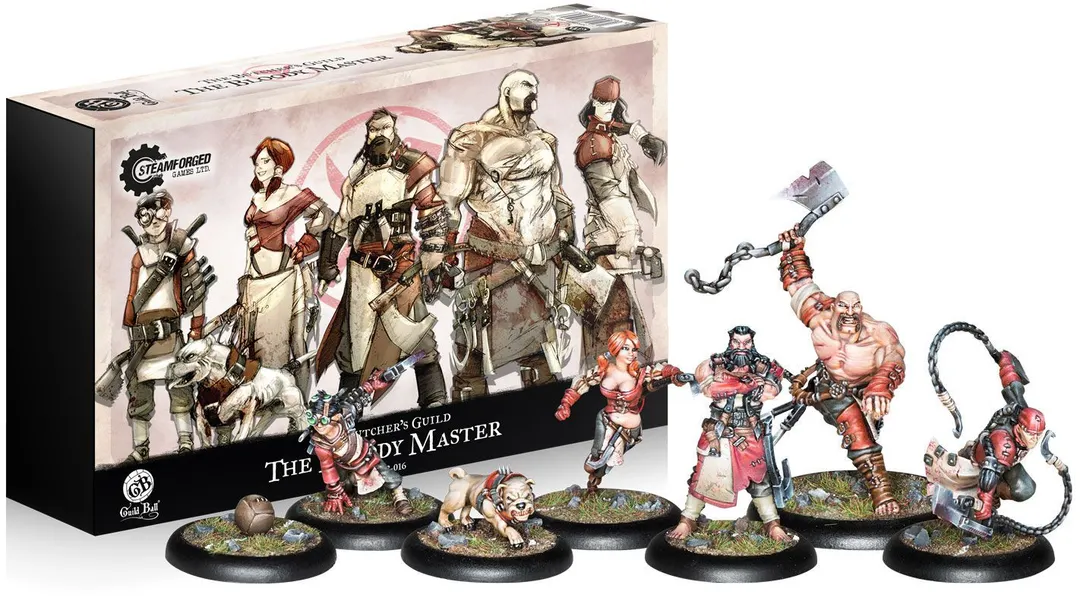
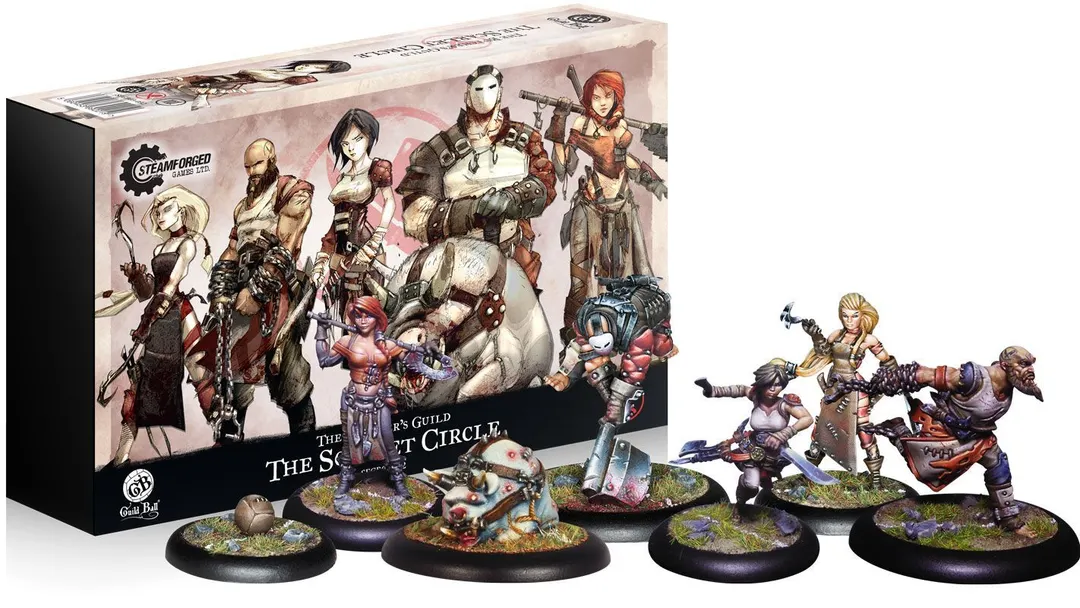
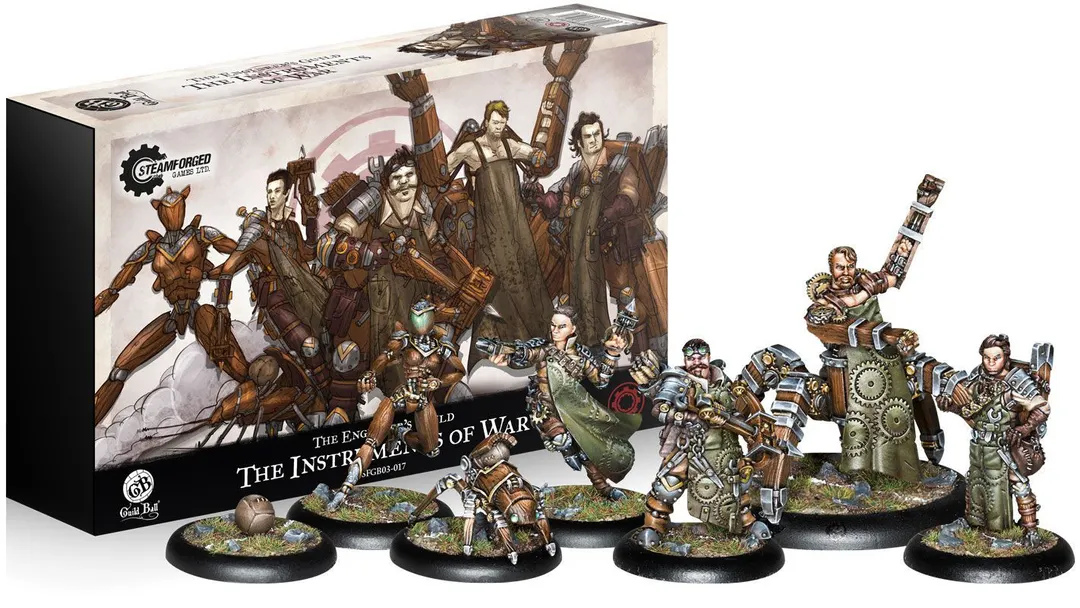
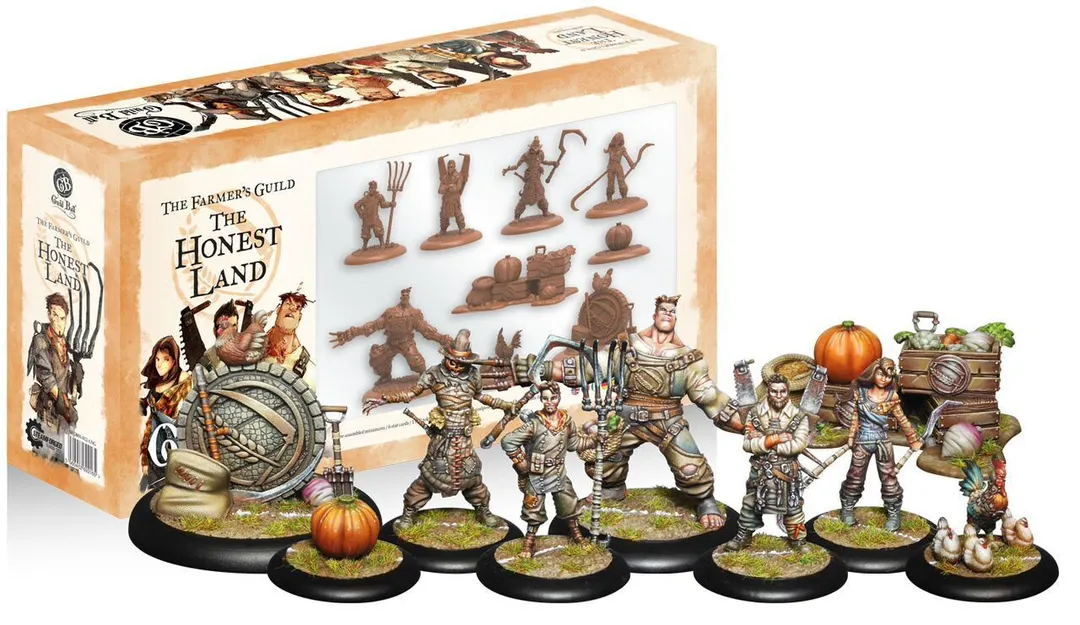
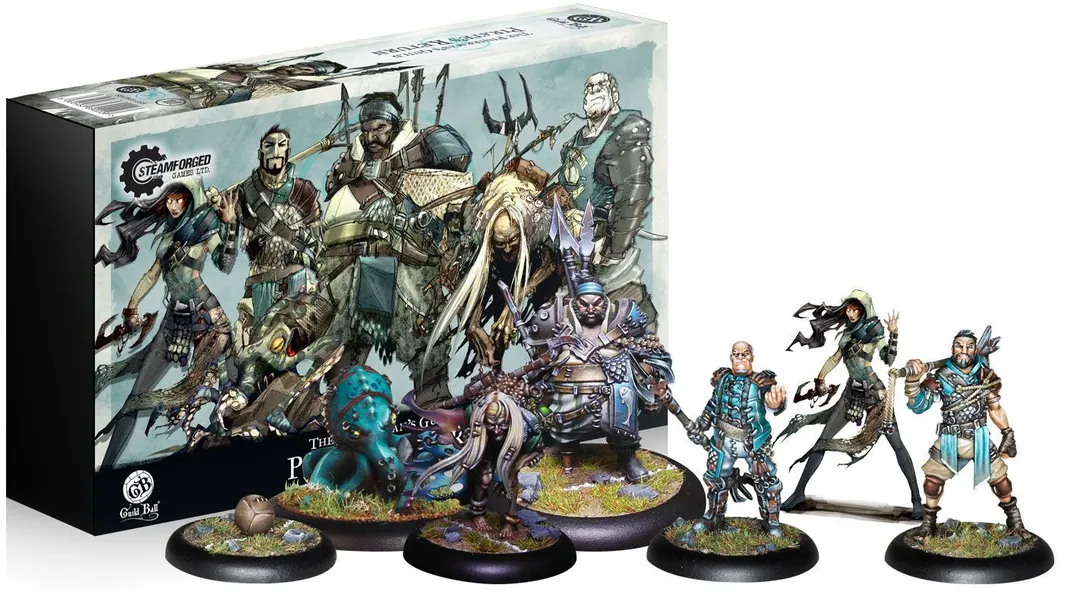
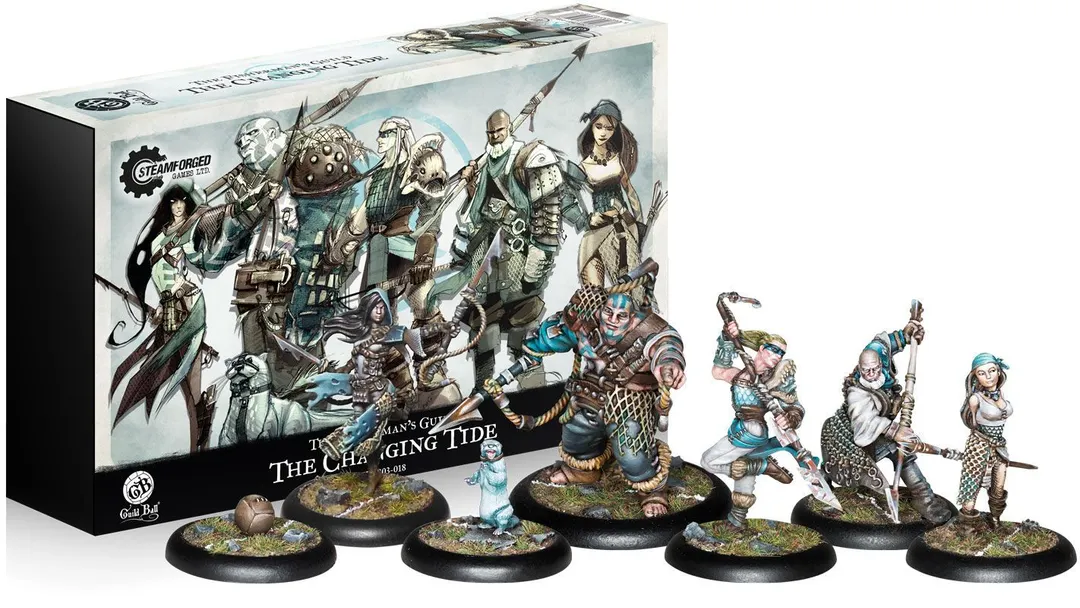
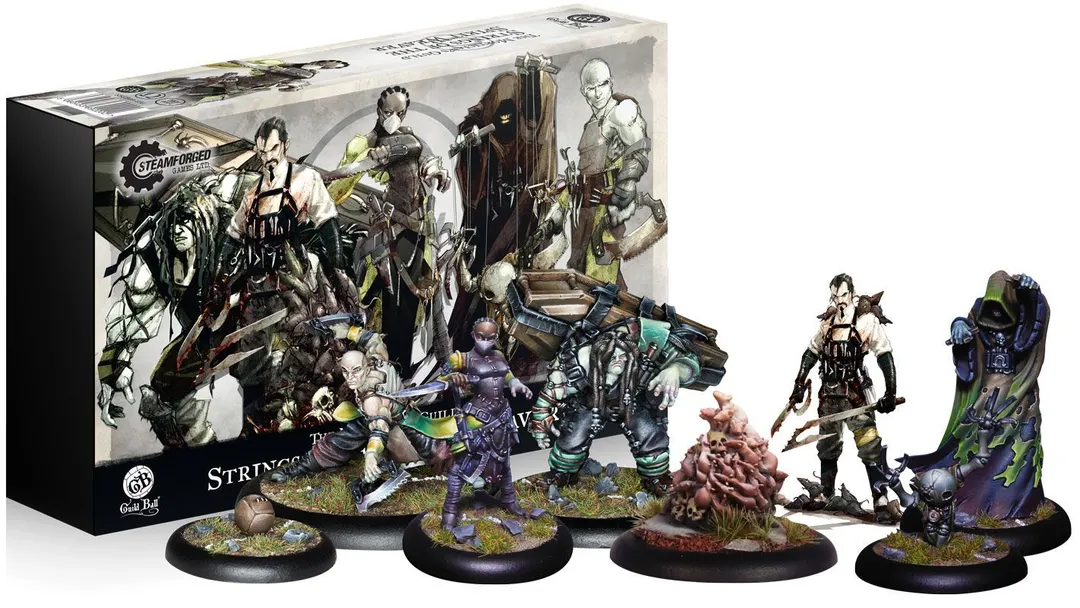
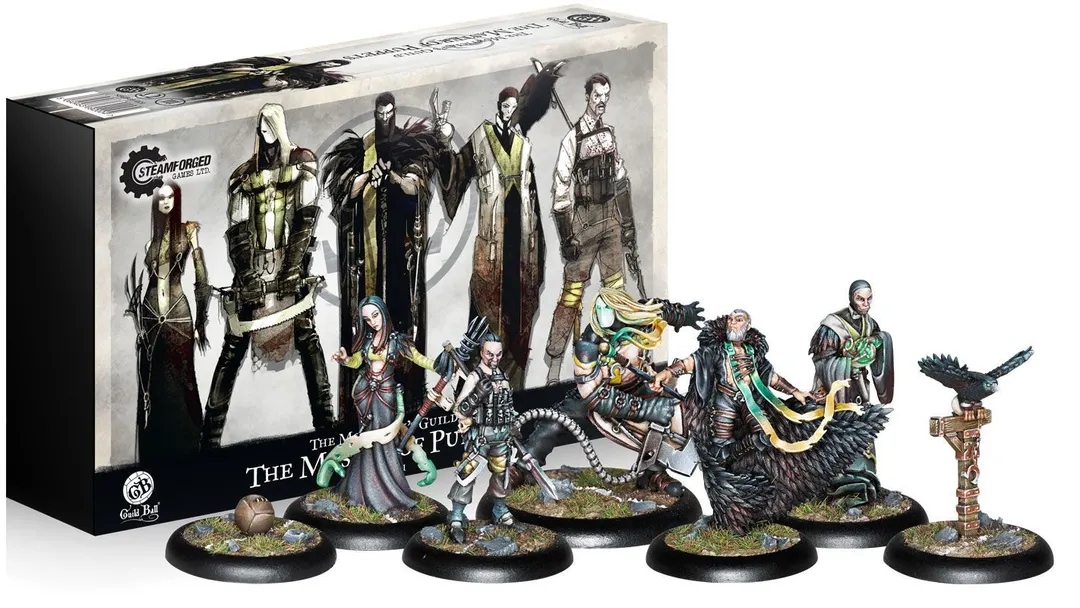
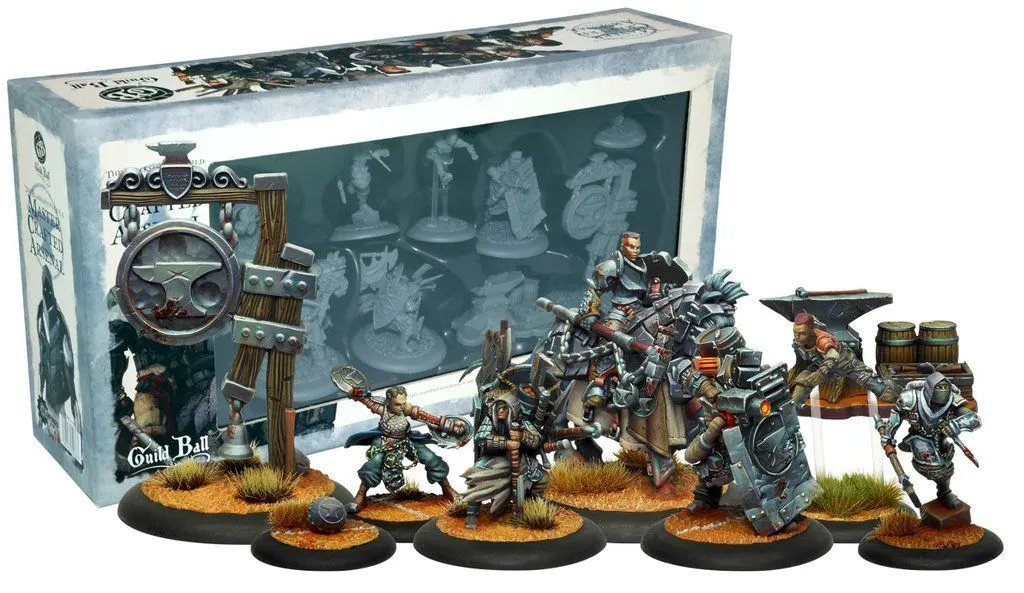
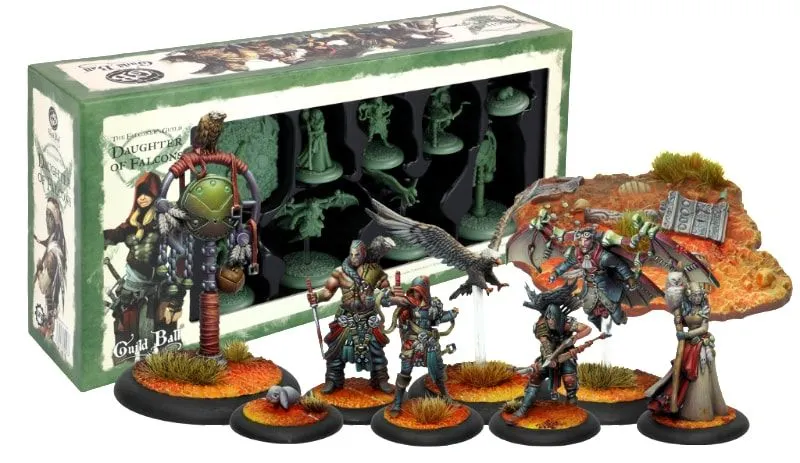
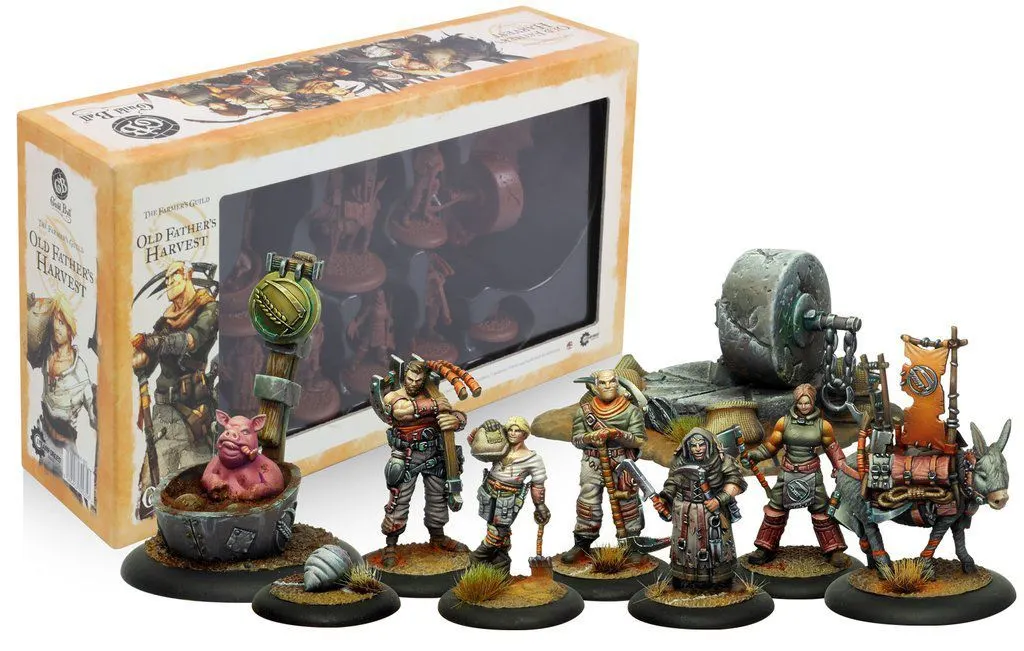
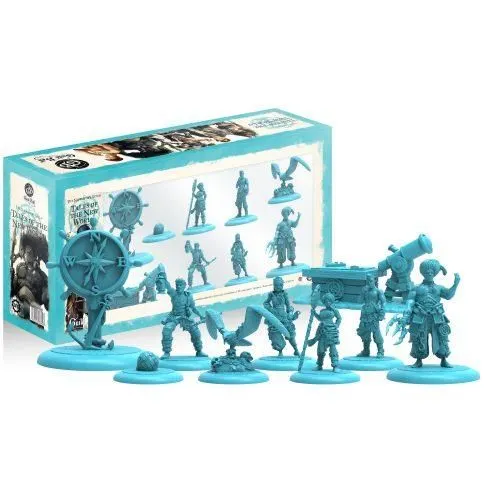
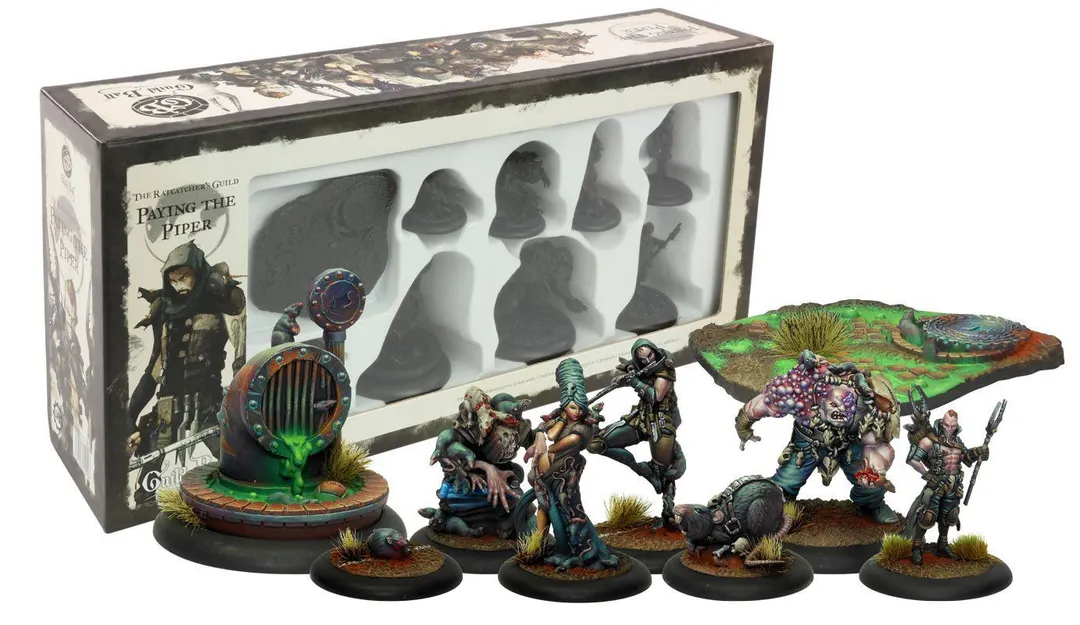
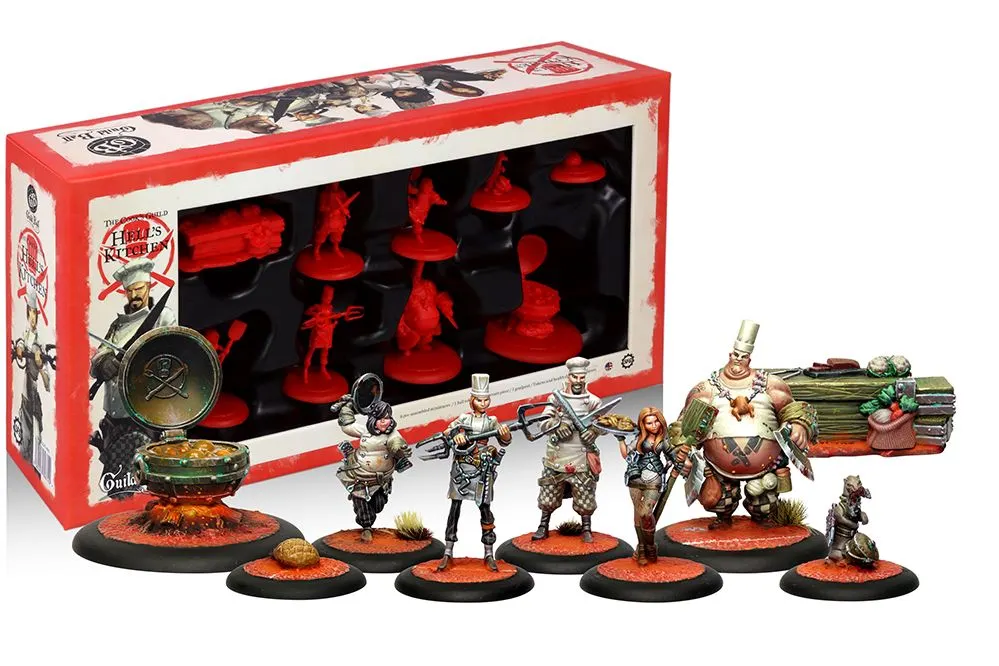
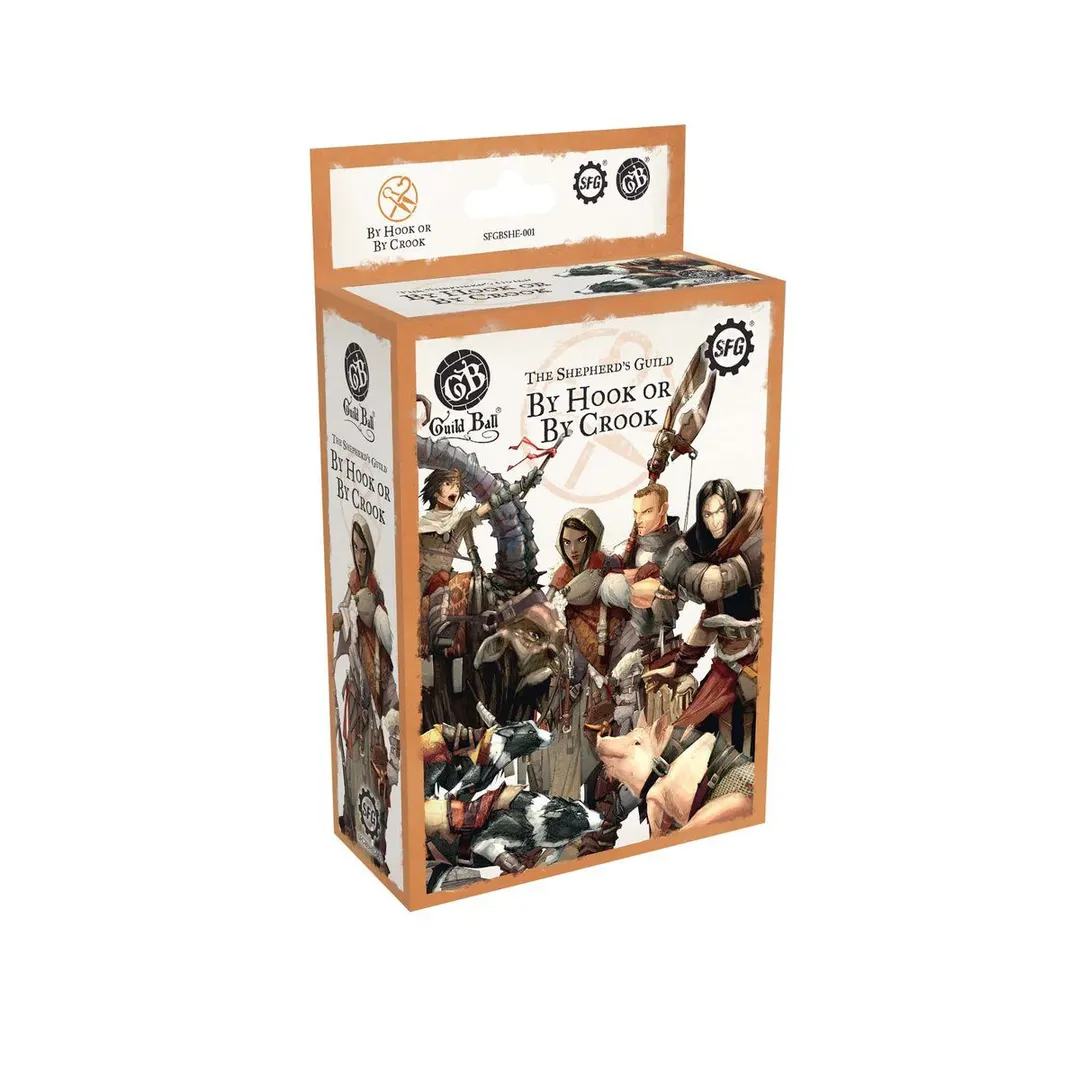
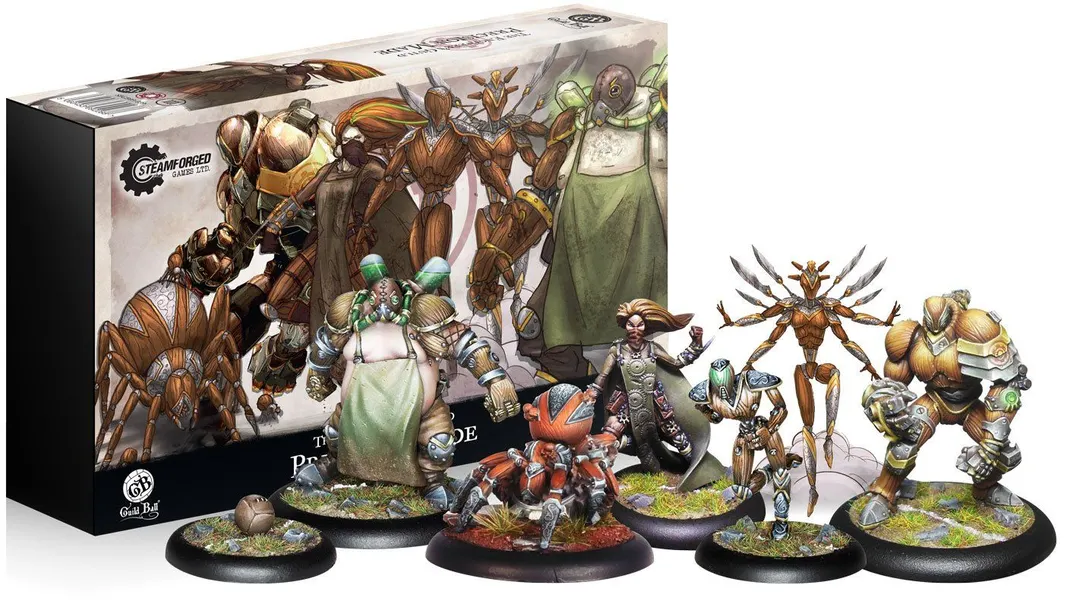
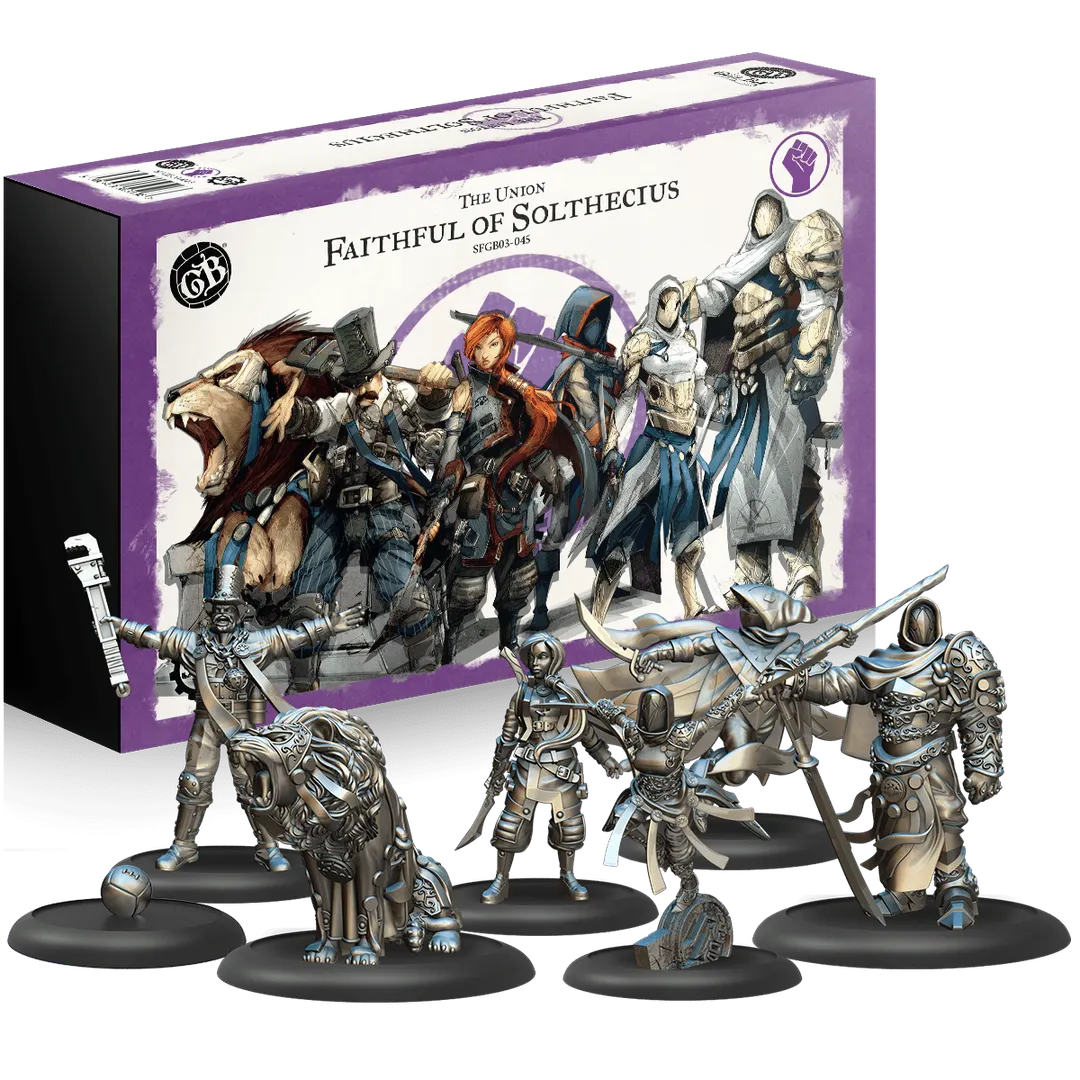


Guild Ball is a tactical miniatures game of skirmish soccer. Two coaches lead six players from their respective guilds in a race to 12 points--gaining 4 points for scoring a goal, 2 points for taking out a regular player, and 1 point for taking out a mascot (yes, one of the six players on each team is a mascot). During each turn, coaches alternate activating one player at a time. With a small number of models per side, Guild Ball delivers great depth of strategy, balancing ball control, attack, and defense. The strategy in Guild Ball continues with the playbook system. Attacks are resolved by rolling dice against the target's defenses, but dice alone do not dictate the results of attacks. Coaches choose the results of attacks from their players' playbooks: the more successful hits an attack roll generates, the more options from the playbook the coach is able to choose from. Possible results include damage, tackles, knock-downs, pushes, dodges, and powerful character plays that can change the course of the game. Guild Ball is also a game of resource management: coaches must manage influence and momentum. Teams start each turn with a pool of influence. In order for a player to attack, kick the ball, or perform a character play, the player needs influence. Coaches allocate influence to players at the start of the turn, so careful planning is required. Momentum is generated by special playbook results and successful passes. Momentum allows a coach to perform special actions, such as taking shots on goal, healing damage, or making out-of-activation dodges. Momentum remaining at the end of a turn also affects the initiative roll for the next turn. Featuring 11 unique guilds, each with at least 12 players--and more guilds to be released--Guild Ball allows coaches to choose their own play style.
Guild Ball supports 2 players according to the catalogue. This is the publisher’s listed player count, so the game is designed for exactly that number of participants. Variants for other group sizes, if any, are described in the rulebook of your edition, so check it before setting up a different configuration.
The listed playing time for Guild Ball is 60 minutes. This is the publisher’s estimate for a full game. The actual duration depends on the group, the player count and familiarity with the rules: first sessions usually run longer, while experienced groups often finish faster. Setup and teaching time are not included in this estimate.
Guild Ball has a complexity rating of 3.8 out of 5 from BoardGameGeek players, which makes it a heavy game. The rating reflects how much rules knowledge, planning and decision-making a typical game demands. Expect a longer first teach for heavier games, and use a preparation guide before game night.
Guild Ball belongs to these categories: Miniatures, Medieval, and Sports. Its main mechanics are Dice Rolling and Action Points. Categories describe the theme and setting of a game, while mechanics describe what players actually do on their turns. Each mechanic links to a catalogue hub with similar games, which helps when you want something comparable.
The credited designers of Guild Ball are: Richard Loxam and Mat Hart. These credits come from the published game data and name the people responsible for the game’s design, not its illustrators or publishers. Designer pages on MeepleRules collect other titles by the same designers, which helps when you enjoy a game and want to find similar ones.
The catalogue lists Guild Ball as a base game. It can be played on its own with the components in the box and does not require any other title. Expansions, if any exist, add new content or rules on top of it and are listed separately in the catalogue with a link back to this base game.