
- BGG rating
- 9.3
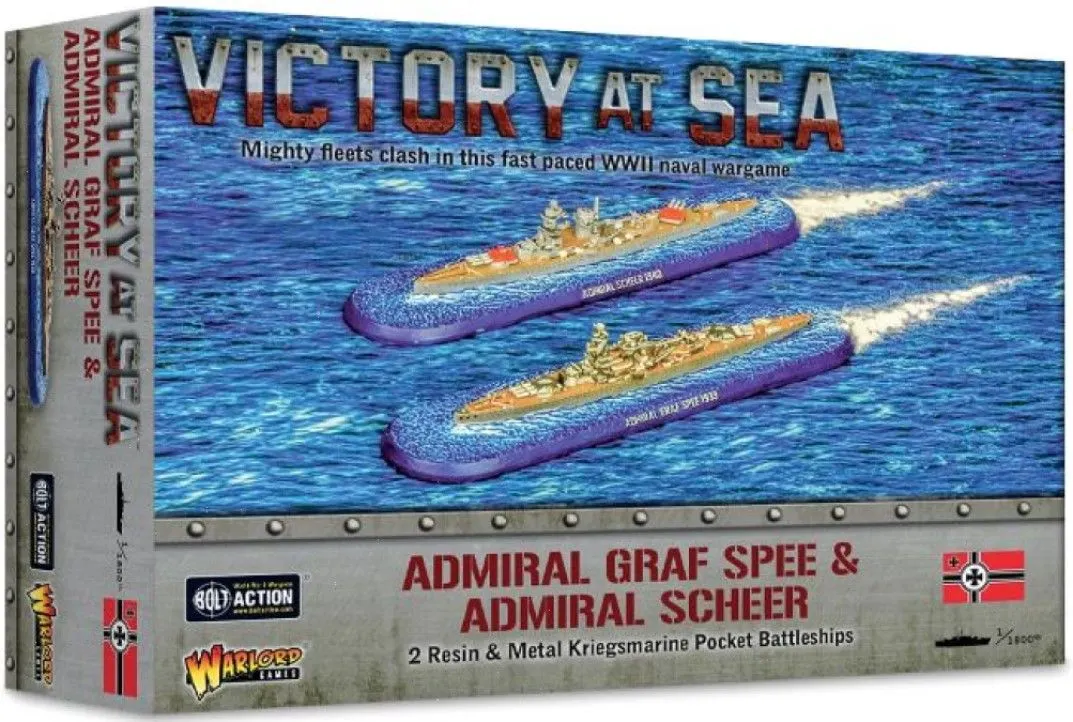
Victory at Sea: Admiral Graf Spee & Admiral Scheer
- 2 players
- 2020
2020
Rules assistance for Victory at Sea: Battle for the Pacific
Plain-language explanations of turns, card effects and disputed situations, with official source references and saved question history.
For 2 players
What would you like to know?
Answers come from the official rulebook, with the page to check.
Victory at Sea: Battle for the Pacific is a board game released in 2020 ages 10 and up. It was designed by Matthew Sprange and its main mechanics are Dice Rolling, Simulation, and Line of Sight.
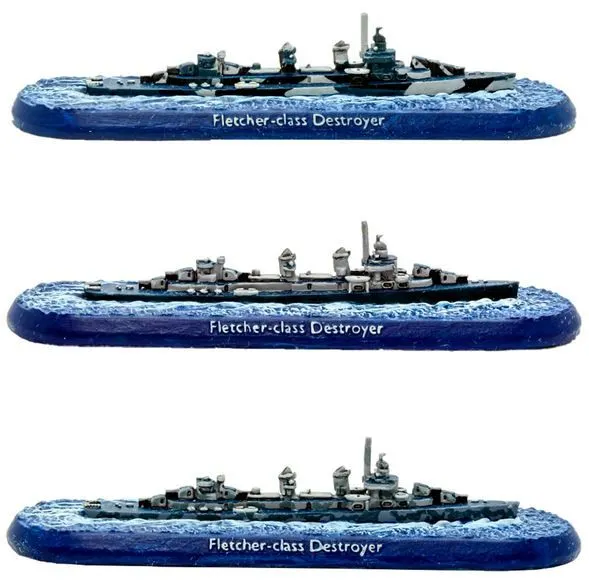
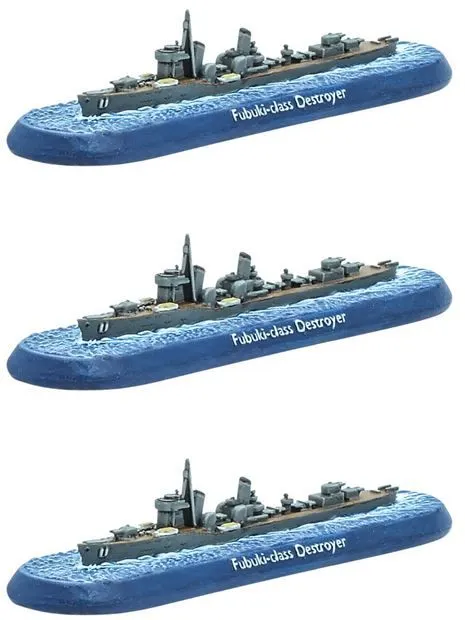
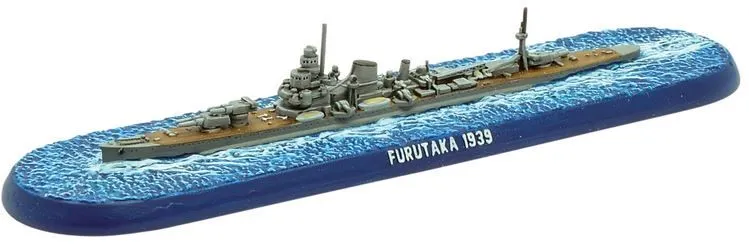

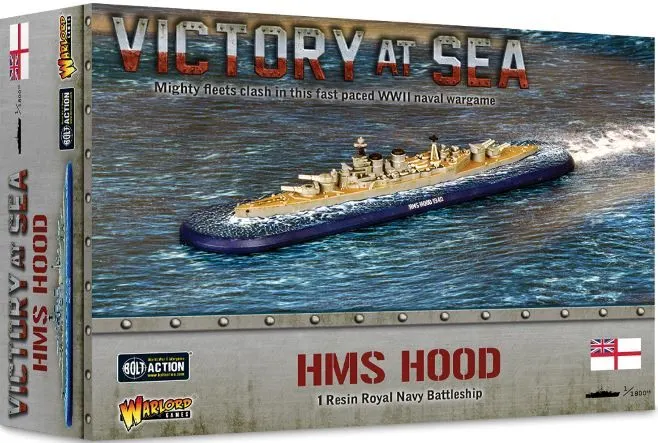
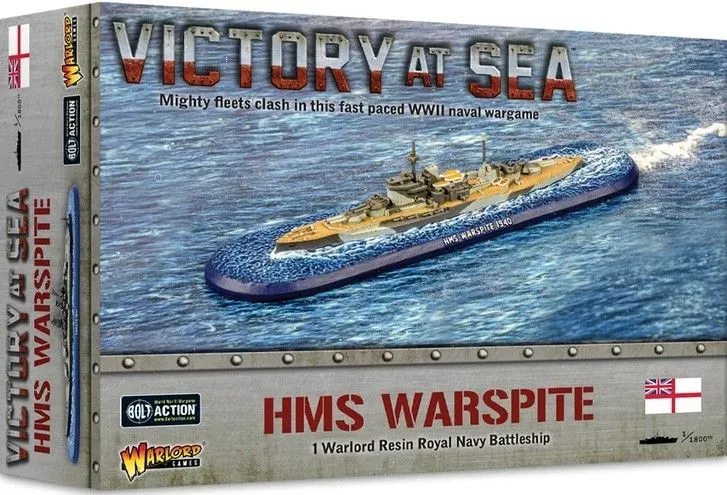
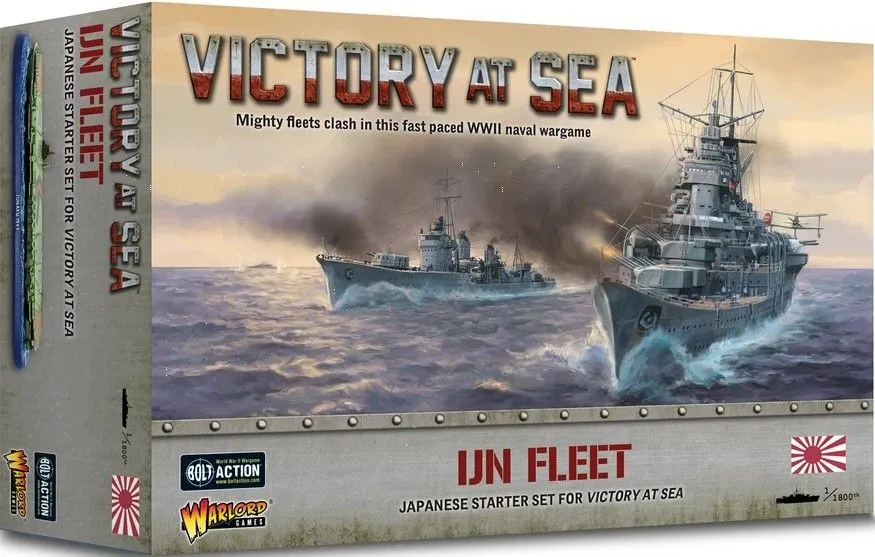
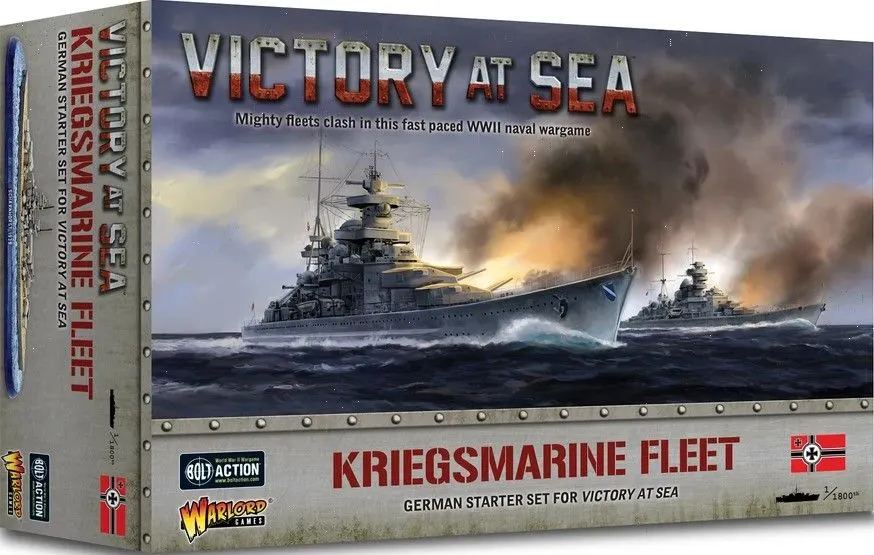
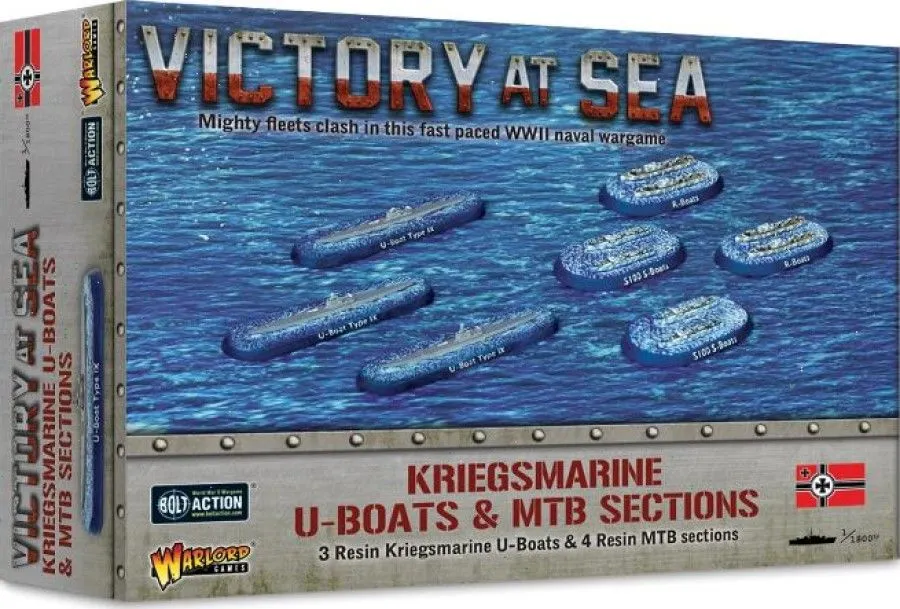
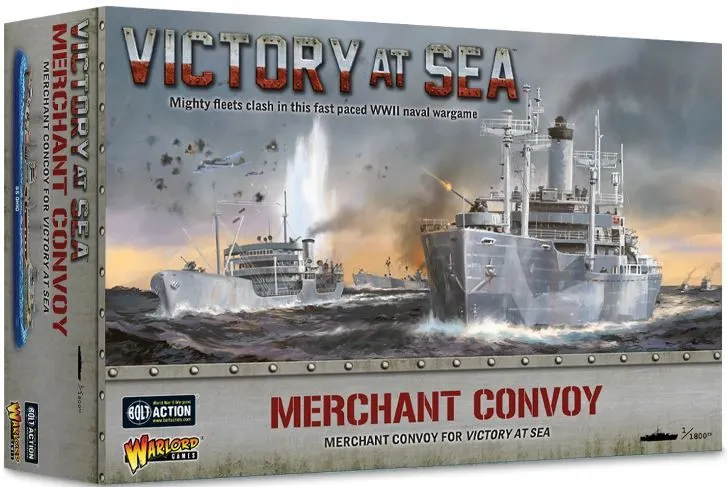
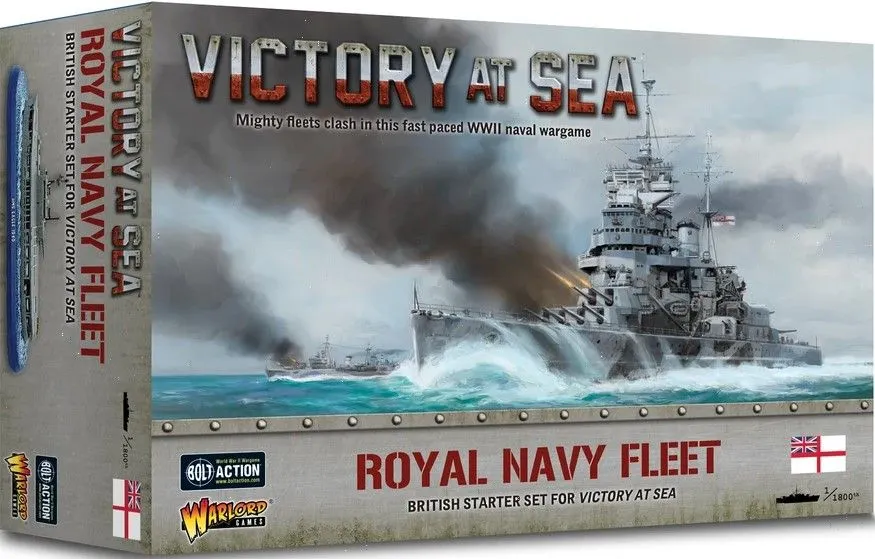
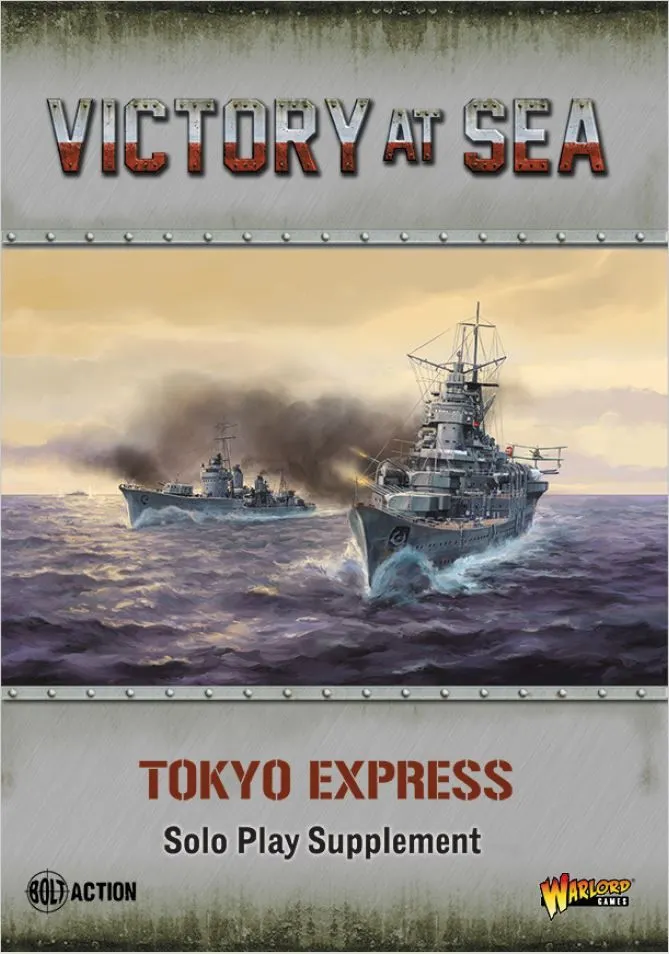
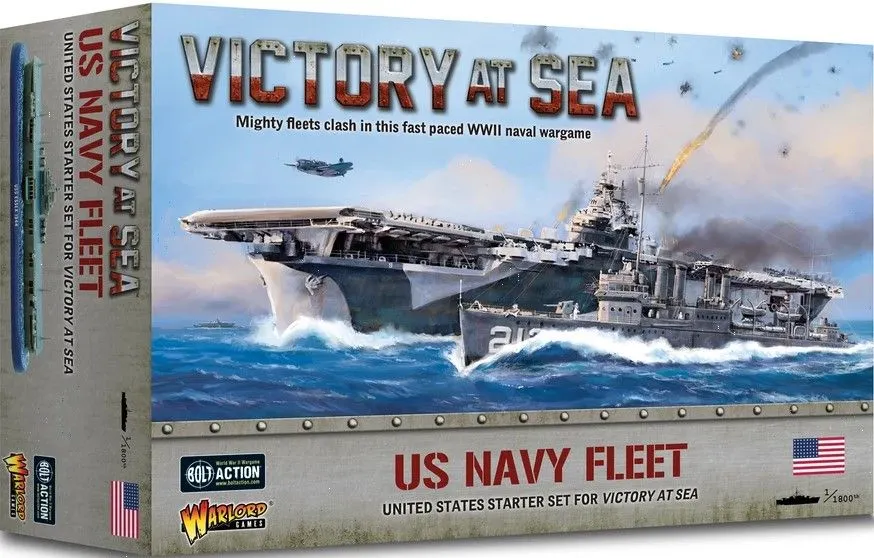
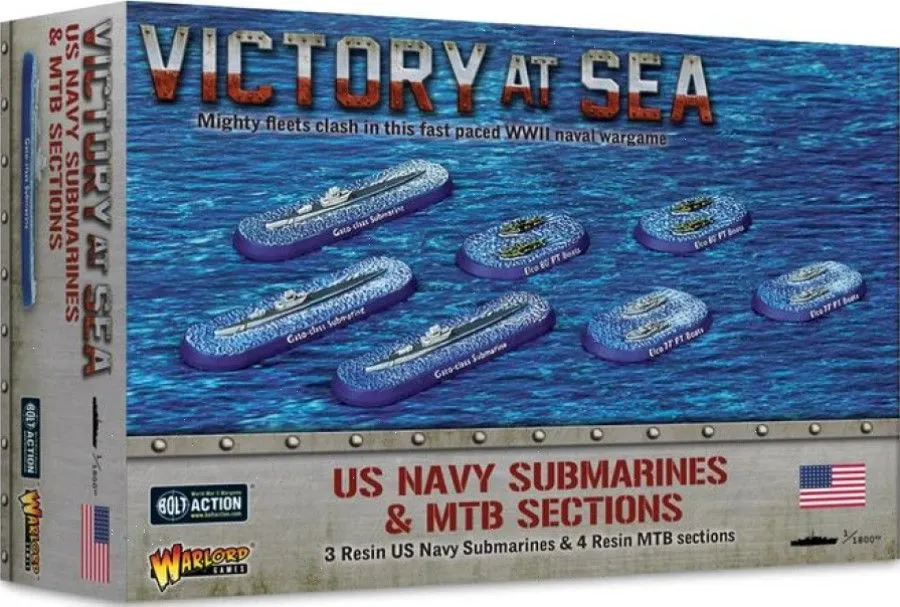
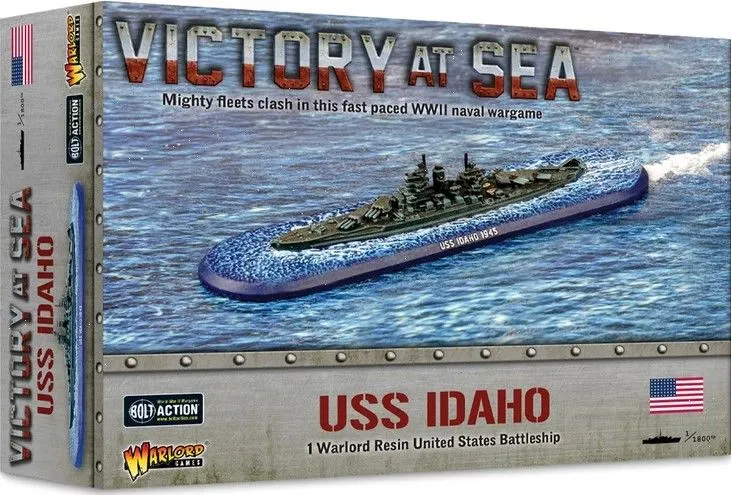
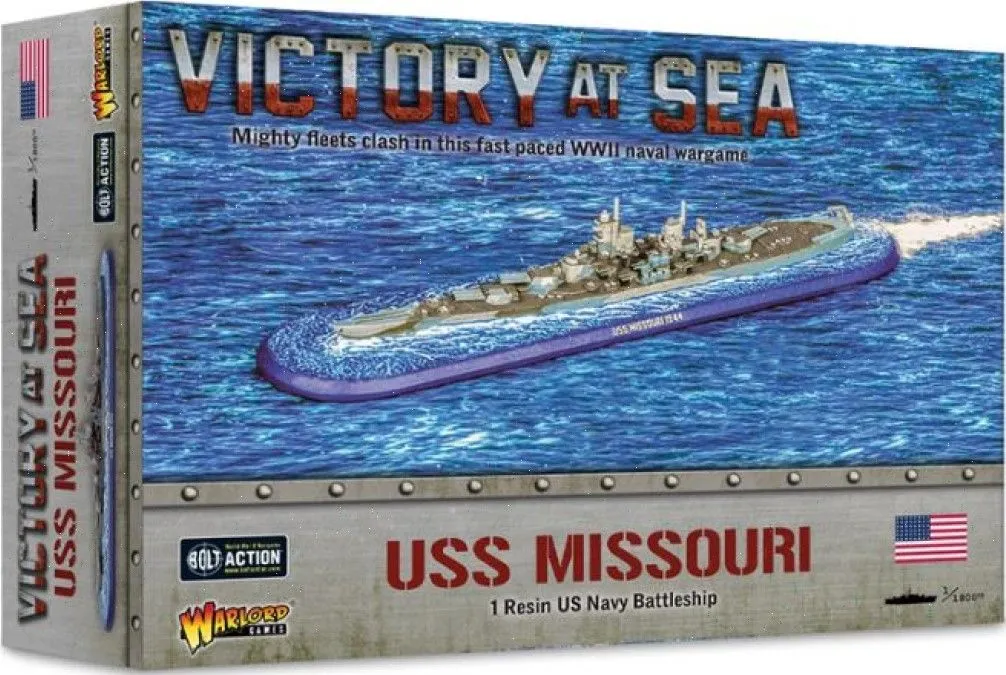
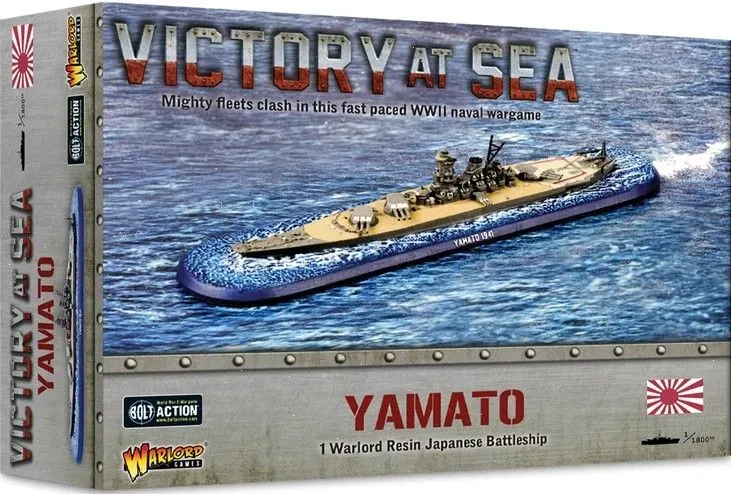
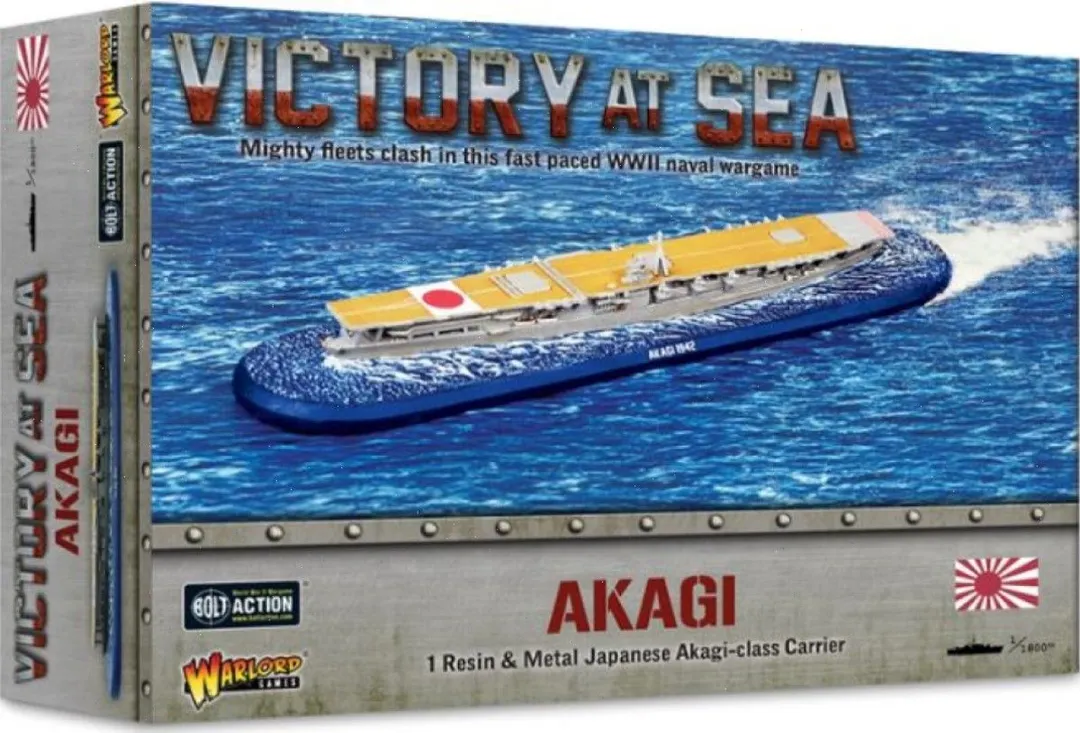
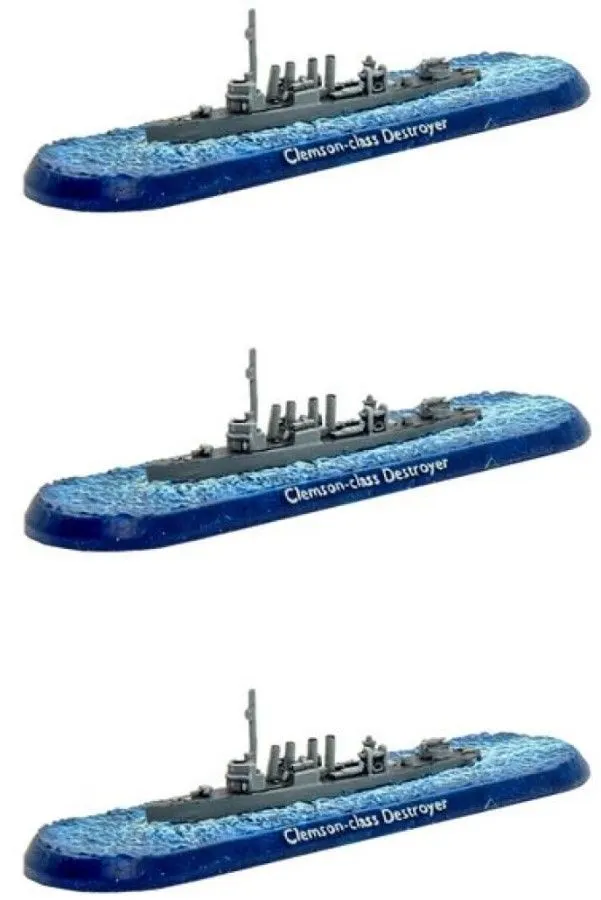
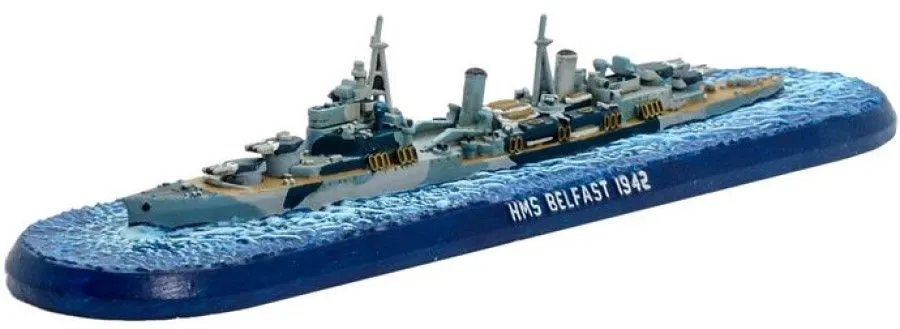
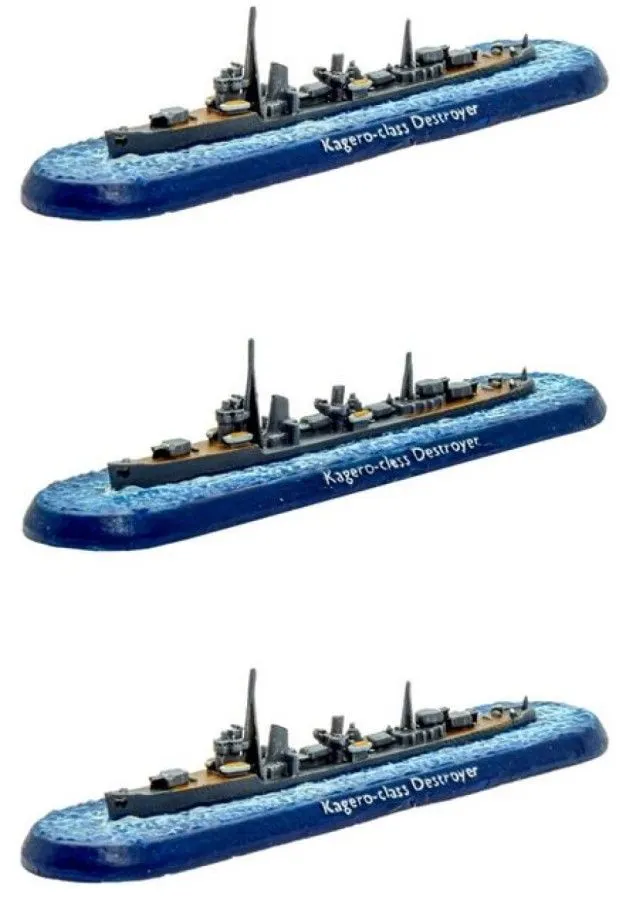
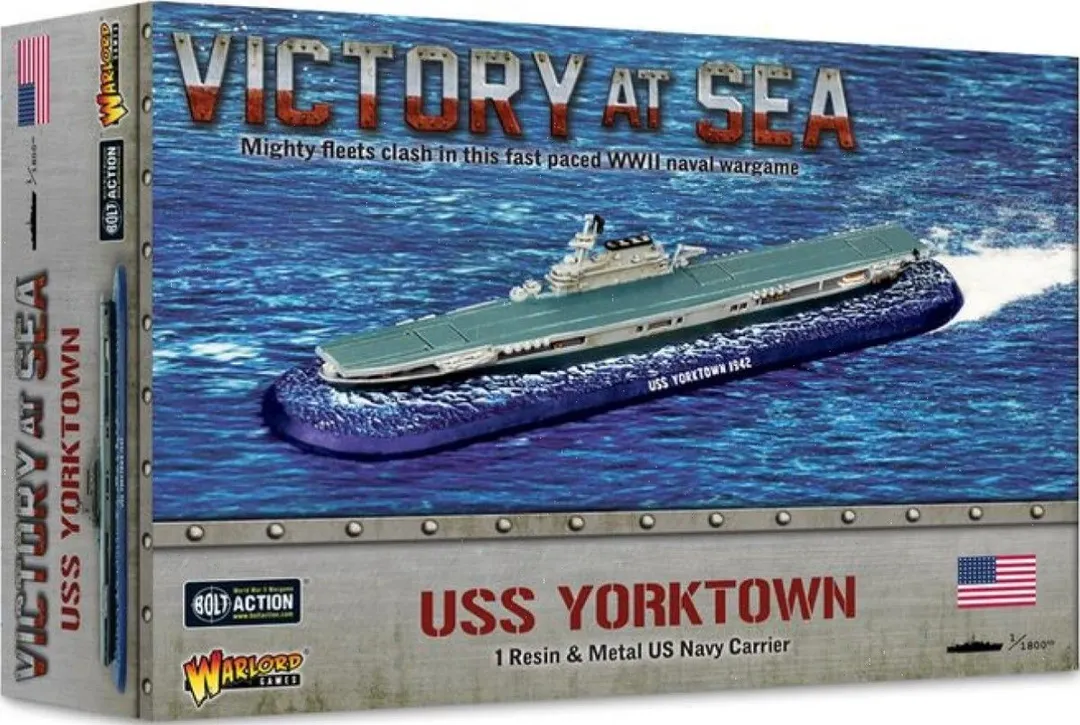



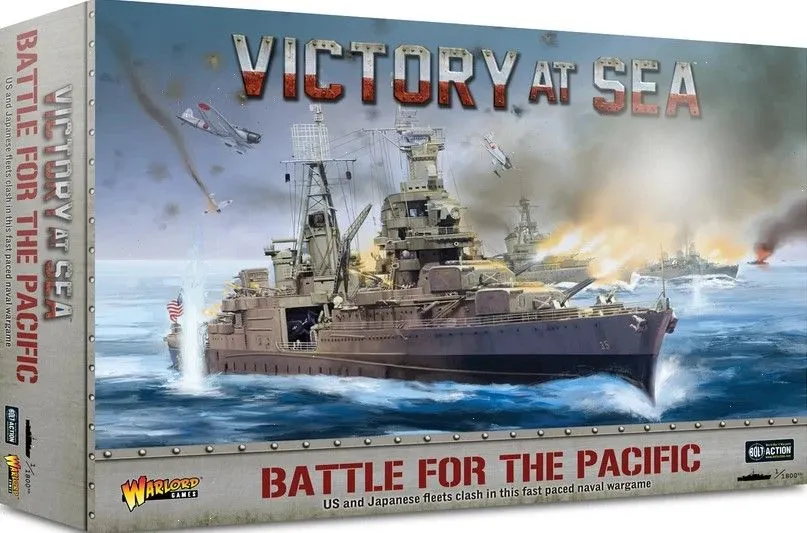
Victory at Sea is the game of naval combat during the Second World War. Throughout 1939–45, the nations of the world duelled across the oceans across the globe, only to discover the fundamental nature of naval warfare changing in the face of rapidly developing technologies. Now you can play out these confrontations on the tabletop with entire fleets drawn from the Royal Navy, US Navy, Imperial Japanese Navy, German Kriegsmarine or any of the other nations featured in Victory at Sea. From skirmishes involving single destroyers hunting down merchantmen to the clashing of massive battleships, from invasions of islands across the Pacific to mastering waves of dive bombers, Victory at Sea enables you to fight exciting battles that take place on the oceans of World War II. The Battle for the Pacific starter set focuses primarily on actions in the seas of the Far East – the Imperial Japanese Navy and the mighty US Navy clashing for control of the islands, resources and seas of the Pacific Theatre. The Victory at Sea rules manual presented in this starter game contain all you need to know to begin playing with the fleets included. Some of the ships contained in this set have been released individually: Victory at Sea: USS Indianapolis 1944 Victory at Sea: Kumano 1944 Victory at Sea: USS Northampton 1942 Victory at Sea: Furutaka 1939 Victory at Sea: USS Chicago 1942 Victory at Sea: Mogami 1939 Contents: A4 Battle of the Pacific Rules manual 1 Die-cut game tokens sheet 15 Model Ships ‣ 1 USS Indianapolis 1944 ‣ 1 USS Northampton 1942 ‣ 1 USS Chicago 1942 ‣ 1 Mogami 1939 ‣ 1 Kumano 1944 ‣ 1 Furutaka 1939 ‣ 3 Fubuki-class Destroyer ‣ 6 Fletcher-class Destroyer 15 Ship Cards & Damage Sliders 4 Ten-sided dice 12 Six-sided dice 2 A0 Sea Mat —description from the publisher
The catalogue lists Victory at Sea: Battle for the Pacific for ages 10 and up. This is the publisher’s recommendation and reflects reading demands, rule complexity and small components rather than theme alone. Younger players can often join with help from an adult, so check the age guidance on your edition and consider your group’s experience with board games.
Victory at Sea: Battle for the Pacific has a complexity rating of 2.8 out of 5 from BoardGameGeek players, which makes it a medium-light game. The rating reflects how much rules knowledge, planning and decision-making a typical game demands. Expect a longer first teach for heavier games, and use a preparation guide before game night.
Victory at Sea: Battle for the Pacific belongs to these categories: Wargame, Miniatures, and Nautical. Its main mechanics are Dice Rolling, Simulation, and Line of Sight. Categories describe the theme and setting of a game, while mechanics describe what players actually do on their turns. Each mechanic links to a catalogue hub with similar games, which helps when you want something comparable.
The credited designers of Victory at Sea: Battle for the Pacific are: Matthew Sprange. These credits come from the published game data and name the people responsible for the game’s design, not its illustrators or publishers. Designer pages on MeepleRules collect other titles by the same designers, which helps when you enjoy a game and want to find similar ones.
The catalogue lists Victory at Sea: Battle for the Pacific as a base game. It can be played on its own with the components in the box and does not require any other title. Expansions, if any exist, add new content or rules on top of it and are listed separately in the catalogue with a link back to this base game.